Best Pot for Deep Frying Guide: Top Picks for Crispy, Golden Results
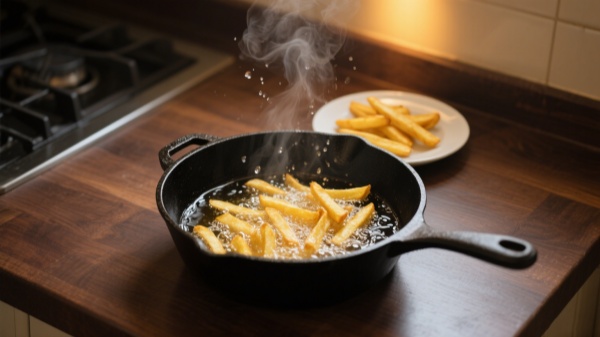
Best Pot for Deep Frying
Unlock the secrets to perfect deep frying with the right cookware. Discover how to choose the ideal pot for crispy, golden results every time.
How to Choose the Perfect Pot for Deep Frying
The right pot can make all the difference between soggy disappointment and crispy perfection. Whether you’re frying chicken, french fries, or tempura, these key factors will guide your choice.
Core Factors for Deep Frying Pots
- Material: Determines heat distribution, durability, and maintenance
- Depth & Capacity: Prevents oil splatter and allows proper frying volume
- Heat Control: Ensures consistent temperature for even cooking
- Handle Design: Provides safety and ease of use
- Cleaning & Maintenance: Impacts long-term usability
Top Materials for Deep Frying Pots
Each material offers unique advantages for deep frying. Here’s a detailed comparison to help you choose.
| Material | Heat Distribution | Durability | Maintenance | Best For | Example |
|---|---|---|---|---|---|
| Cast Iron | Excellent – retains heat well | Extremely durable – can last decades | Requires seasoning and drying to prevent rust | High-temperature frying, the consistent heat | Lodge Pre-Seasoned Cast Iron |
| Carbon Steel | Superior – heats quickly and evenly | Very durable – resistant to chipping | Needs seasoning, but less maintenance than cast iron | Professional frying, tempura, quick temperature adjustments | De Buyer Carbon Steel Pan |
| Die Cast Aluminum | Good – especially with aluminum core | Highly durable – corrosion-resistant | Easy to clean – dishwasher safe (some models) | Versatile use, frying followed by other cooking methods | Solamex Nonstick Deep Frying Pan |
| Enameled Cast Iron | Excellent – same as cast iron | Durable – with protective enamel coating | Low maintenance – no seasoning needed | Decorative use, frying and serving in the same pot | Le Creuset Enameled Cast Iron |
Why Material Matters for Deep Frying
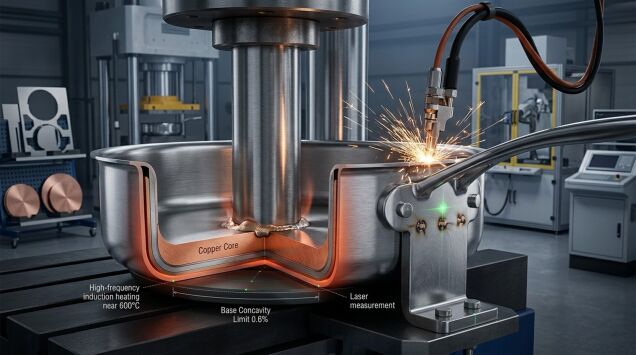
Cast iron and carbon steel are popular choices among professional chefs for their heat retention and even distribution, which are crucial for maintaining the ideal frying temperature (170-190°C). Stainless steel pots with an aluminum or copper core offer a balance of durability and heat conductivity, making them suitable for both frying and other cooking techniques.
Enameled cast iron adds a decorative element, allowing you to fry and serve in the same pot, while carbon steel is prized for its lightweight design and responsiveness to temperature changes, making it perfect for delicate frying tasks like tempura.
Key Features to Look for in a Deep Frying Pot
Beyond material, these physical characteristics will enhance your deep frying experience.
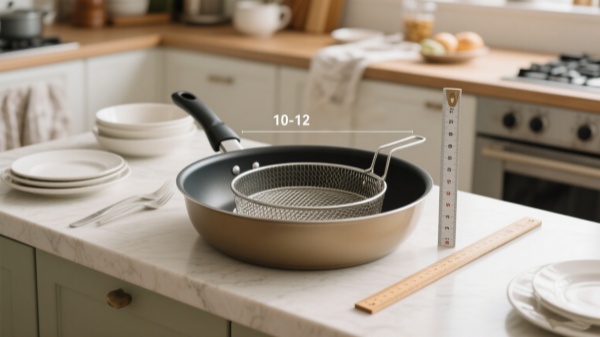
Depth & Diameter
- Ideal depth: 10-15cm to prevent oil overflow
- Family size: 10-12 inch diameter (25-30cm)
- Commercial use: 14+ inch diameter for large batches
Why it matters: Proper depth ensures food is fully submerged, while the right diameter allows for even heat distribution.
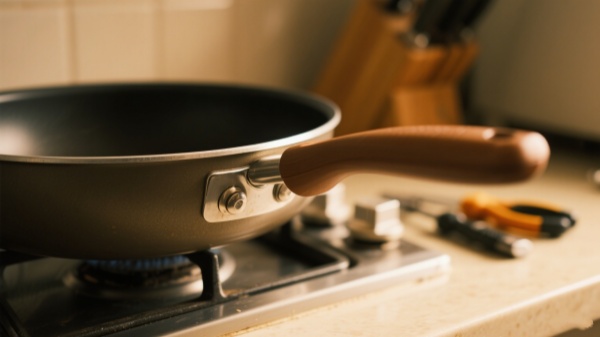
Handle Design
- Heat-resistant materials: wood, silicone, or insulated metal
- Ergonomic shape for comfortable grip
- Secure attachment to prevent accidents
Why it matters: A well-designed handle keeps you safe while moving a heavy pot of hot oil.
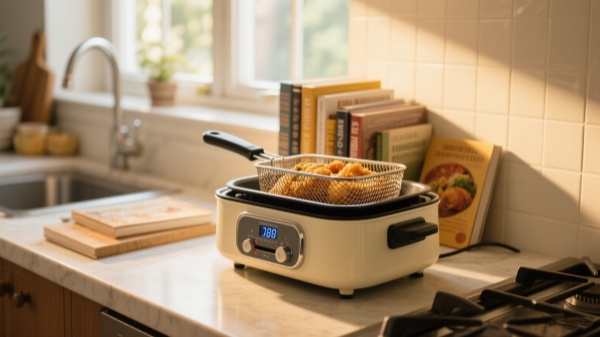
Heat Control
- Electric pots: built-in temperature control
- Gas/electric stove pots: compatible with thermometers
- Even heat distribution to avoid hot spots
Why it matters: Consistent temperature is key to crispy, evenly cooked fried foods.
Caution: Never fill a frying pot more than halfway with oil. Overfilling can cause oil to overflow when food is added, leading to dangerous splattering or even fire.
Best Pots for Different Deep Frying Needs
Whether you’re a home cook or a professional, these recommendations will help you find the perfect pot for your frying needs.
Home Kitchen Essentials
Lodge Pre-Seasoned Cast Iron Pan
- 12-inch diameter, 11cm depth
- Pre-seasoned with natural vegetable oil
- Compatible with all stovetops and ovens
- Extremely durable – lasts a lifetime
$45 – $60
Ideal for: Fried chicken, french fries, and other family favorites.
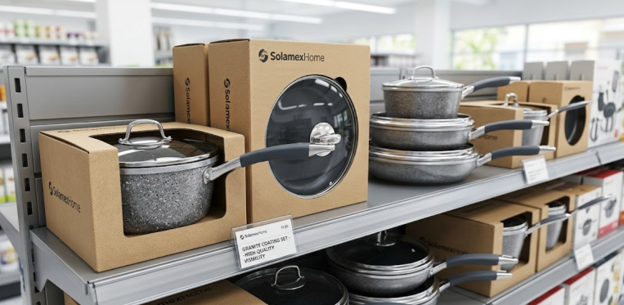
Solamex Non-stick Deep Frying
- 8-12 inch diameter, 10cm depth(Custom Size)
- Aluminum core for even heat distribution
- Dishwasher safe for easy cleaning
- Low Price
$20 – $30
Ideal for: Wholesale, frying and then finishing in the oven.
Proper Maintenance for Your Deep Frying Pot
Maintaining your pot correctly ensures optimal performance and longevity. Here’s how to care for different materials.
Seasoning and Maintaining Cast Iron and Carbon Steel Pots
Seasoning is crucial for cast iron and carbon steel pots to create a natural non-stick surface and prevent rust. Follow these steps:
Wash the pot with hot water and a soft brush. Avoid using soap, as it can strip the seasoning.
Thoroughly dry the pot over low heat on the stove or in an oven to prevent any moisture that could cause rust.
Apply a thin, even layer of high-smoke-point oil (such as vegetable, canola, or flaxseed oil) to the interior and exterior of the pot.
Place the pot upside down in a preheated oven at 450-500°F (230-260°C) for one hour. This bakes the oil into the metal, creating a protective layer.
Allow the pot to cool in the oven before removing it. Repeat the process 2-3 times for a new pot to build up a strong seasoning layer.
Daily Maintenance Tips
- After frying, let the oil cool completely before removing it. Strain and reuse clean oil for future frying.
- Clean the pot with hot water and a brush. For stuck-on food, use a paste of salt and water as a gentle abrasive.
- Never soak cast iron or carbon steel pots, as prolonged exposure to water can cause rust.
- After cleaning, dry the pot thoroughly and apply a thin layer of oil to maintain the seasoning.
Maintaining Stainless Steel and Enameled Cast Iron Pots
- Stainless steel pots can be cleaned with warm soapy water and a soft sponge. For tough stains, use a stainless steel cleaner.
- Enameled cast iron pots are easy to clean – simply wash with soapy water and a soft brush. The enamel coating prevents rust and sticking.
- Avoid using abrasive cleaners or steel wool on stainless steel or enameled pots, as they can scratch the surface.
- For stainless steel pots with burnt-on oil, fill the pot with water and a few tablespoons of baking soda, bring to a boil, then let cool before cleaning.
People Also Ask About Deep Frying Pots
Here are answers to common questions about choosing and using deep frying pots.
The best oils for deep frying have a high smoke point, neutral flavor, and are stable at high temperatures. Good choices include:
- Canola oil (smoke point: 230°C)
- Peanut oil (smoke point: 230°C)
- Safflower oil (smoke point: 250°C)
- Sunflower oil (smoke point: 225°C)
Avoid oils with low smoke points like olive oil (190°C) or butter (150°C), as they can burn and affect the taste of your food.
Maintaining a consistent oil temperature is crucial for crispy, evenly cooked fried foods. Here’s how:
- Use a kitchen thermometer to monitor the oil temperature. Clip it to the side of the pot, ensuring the probe is submerged in the oil but not touching the bottom.
- Preheat the oil to 5-10°C above your target temperature, as adding food will lower the oil temperature.
- Fry in small batches to avoid overcrowding the pot, which can cause the oil temperature to drop significantly.
- For electric frying pots, use the built-in temperature control to maintain a steady heat.
The Ultimate Guide to the Best Deep Frying Pan (2025)
Best Pot for Deep Frying: Your Complete Guide to Crispy, Safe Results