Best Practices for Deep Frying Pans: Temperature Control, Maintenance & Longevity
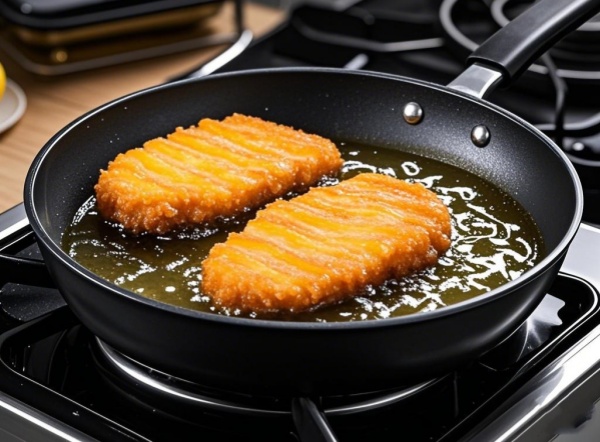
A deep frying pan is an essential tool for achieving crispy, golden-brown results, but using it correctly is key to optimal performance and durability. Whether you’re a home cook or a business owner supplying cookware to commercial kitchens, understanding how to maintain and operate a deep frying pan can improve cooking efficiency and extend its lifespan. This guide covers everything from oil temperature management to proper cleaning and storage.
Mastering Oil Temperature: The Key to Efficient Frying
One of the most crucial factors in deep frying is maintaining the correct oil temperature. Incorrect oil temperatures can affect both food quality and the longevity of your frying pan.
Ideal Oil Temperature for Deep Frying
- ?️ The ideal range is between 325°F and 375°F (163°C – 190°C).
- ✅ Proper temperature ensures even cooking and prevents excess oil absorption.
- ❌ If the oil is too hot, it can degrade quickly and cause excessive smoke.
- ❌ Too low temperatures lead to greasy, undercooked food and more residue buildup on the deep frying pan.
Monitoring Oil Temperature
- Use a deep-fry thermometer for precise control.
- For electric deep frying pans, rely on built-in temperature settings.
- Reheat oil between batches to maintain consistency.
How Oil Temperature Affects Pan Longevity
- Excessive heat can damage non-stick coatings and cause peeling.
- High heat stress can lead to warping in stainless steel pans over time.
- Proper temperature control reduces burnt oil residue, making cleaning easier.
Best Practices for Using a Deep Frying Pan
Beyond temperature control, handling your deep frying pan correctly ensures safety, efficiency, and extended durability.
Avoid Overcrowding the Pan
- Adding too much food lowers the oil temperature, resulting in uneven cooking.
- Overcrowding increases the risk of oil overflowing, which can damage burners and cookware.
- For best results, fry in small batches, allowing space for oil circulation.
Preparing Ingredients to Reduce Wear on the Pan
- Ensure ingredients are dry before frying to prevent excessive splattering.
- Use a batter or coating to minimize direct food contact with the pan’s surface.
- For commercial kitchens, pre-blanching ingredients can extend oil and cookware life.
Minimizing Oil Splatter and Staining
- Use a deep pan with high walls to contain splashes.
- Avoid sudden movements when placing food in hot oil.
- For extra safety, use a splatter guard or pan lid.
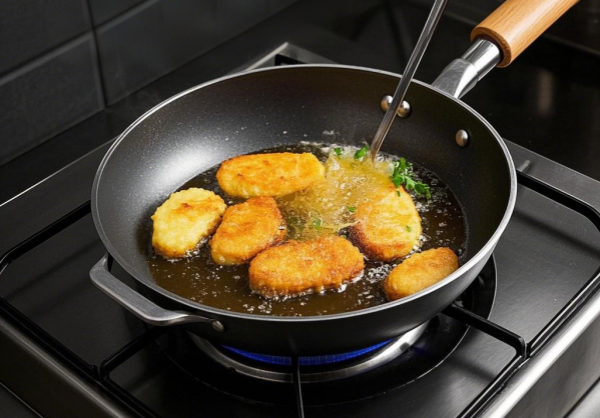
Cleaning and Maintenance for Longevity of Deep Frying Pan
Proper cleaning and storage of your deep frying pan will extend its lifespan and maintain its performance.
Cleaning Different Deep Frying Pan Materials
- Non-Stick Pans: Use a soft sponge and mild detergent; avoid abrasive cleaners to prevent coating damage.
- Cast Iron: Clean with hot water and a stiff brush; dry immediately and apply a thin layer of oil to prevent rust.
- Stainless Steel: Soak in warm soapy water before scrubbing; use baking soda or vinegar for stubborn stains.
Removing Stubborn Oil Residue
- For tough buildup, soak the pan in a mixture of baking soda and vinegar.
- Use a soft-bristle brush to avoid scratching the surface.
- Avoid soaking cast iron pans for long periods to prevent rust.
Regular Maintenance Tips
- Check for scratches or worn-out coatings on non-stick pans.
- Re-season cast iron pans periodically to maintain their non-stick properties.
- Store pans properly—avoid stacking heavy items on top to prevent warping.
B2B Considerations: Supplying Quality Deep Frying Pans
For businesses selling cookware, understanding customer needs is vital. Commercial kitchens and restaurants require durable, high-performance deep frying pans that withstand daily use.
- Material durability: Stainless steel and cast iron are preferred for commercial use.
- Heat distribution: Multi-layered construction ensures consistent cooking.
- Non-stick longevity: Reinforced coatings reduce replacement frequency.
- Maintenance ease: Dishwasher-safe and easy-to-clean materials add value.
Conclusion: Prolonging the Life of Your Deep Frying Pan
Using and maintaining your deep frying pan properly will not only enhance your cooking results but also ensure longevity. By keeping oil temperatures in check, handling the pan carefully, and following proper cleaning routines, you can extend the life of your cookware and get the best performance out of it.
For businesses, offering high-quality deep frying pans with clear usage guidelines adds value to customers and strengthens long-term relationships. Whether you’re cooking at home or stocking professional kitchens, the right practices make all the difference!
Choosing the Right Cookware: Deep Frying Pan vs. Other Pans
Not All Deep Frying Pans Are Created Equal: How to Find the Best One for Your Kitchen