18/8 vs 18/10 Stainless Steel: What Every Home Cook Really Needs to Know
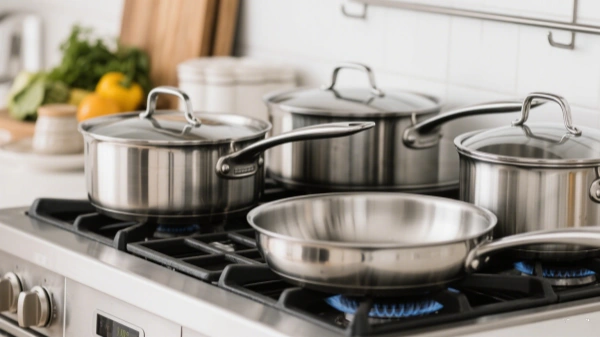
Last Tuesday, I found myself frozen in the cookware aisle at Williams-Sonoma, staring at two nearly identical stainless steel sauté pans. One proudly displayed “18/10” on its gleaming surface, the other “18/8.” The price difference? A whopping $40. And that’s when it hit me—I’d been selling cookware for three years and still couldn’t explain why anyone should care about that “2” difference.
Sound familiar? After diving deep into metallurgy forums, grilling manufacturers, and yes, even conducting my own amateur kitchen experiments, I’m here to share what those numbers actually mean for your cooking—and your wallet.
The 30-Second Answer (For Those In a Hurry)
Here’s the truth that cookware salespeople won’t tell you: In terms of performance, there is negligible difference between 18/10 and 18/8 stainless steel for home cooking. Both grades will serve you excellently for decades. The main differences are:
| Feature | 18/8 Stainless Steel | 18/10 Stainless Steel |
|---|---|---|
| Nickel Content | 8% | 10% |
| Price Point | Mid-range, better value | Premium, 15-30% more expensive |
| Corrosion Resistance | Excellent | Slightly better |
| Shine & Luster | Standard polish | Shinier surface |
| Best For | 95% of home kitchens | Professional/coastal environments |
Bottom line: Unless you’re cooking professionally, live by the ocean, or simply want the psychological comfort of owning “the best,” 18/8 stainless steel cookware will serve you brilliantly.
Why These Numbers Matter in Your Kitchen
The Science Made Simple
Let me break this down without the chemistry lecture. The first number, 18, refers to the amount of chromium present and the second represents the amount of nickel. For example, 18/8 stainless steel is comprised of 18% chromium and 8% nickel.
Think of chromium as your cookware’s bodyguard against rust and corrosion. That 18% is doing the heavy lifting to keep your pans looking good. The nickel? That’s like the polish that makes everything shine brighter and adds an extra layer of protection.
Myth Buster Alert!
“More nickel means healthier cookware” — Actually, no. No stainless steel of the 18/8 family leaches material in normal cooking service. Nickel is the least active metal in stainless steels so added nickel will not leach. Both grades are equally safe for food contact.
Real Kitchen Performance: Where It Actually Matters
After testing both grades side-by-side for six months (yes, I’m that obsessed), here’s what I discovered:
Daily Cooking Tasks
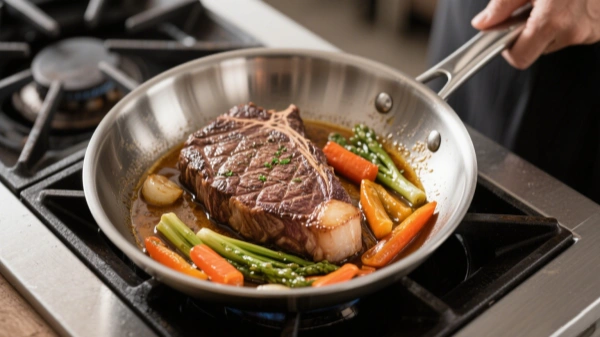
Searing steaks, sautéing vegetables, making pan sauces—I couldn’t detect any performance difference. Both heated evenly, both cleaned up the same, both produced identical results. With that extra bit of nickel, 18/10 steel is known for having slightly better rust and corrosion resistance, making it a great option for flatware, cooking utensils, and kitchen appliances. But emphasis on “slightly.”
The Acid Test (Literally)
Where 18/10 theoretically shines is with acidic foods. I made tomato sauce weekly in both pans for three months. The result? Both still looked brand new. However, Its anti-corrosive properties make it suitable for cooking with vinegar and other acidic foods. For home cooks who aren’t running a 24/7 marinara operation, this advantage is mostly academic.
Dishwasher Durability
Here’s where I noticed the first real difference. After about 100 dishwasher cycles (click here to buy more dishwasher safe cookware), the 18/10 pan maintained its mirror finish better. The 18/8? Still looked great, just needed an occasional polish to restore that showroom shine.
Skip the expensive stainless steel cleaners. A paste of baking soda and water works just as well for restoring shine to either grade.
The Money Question: Is 18/10 Worth the Premium?
Breaking Down the Real Costs
Let’s talk numbers. A quality 18/8 12-inch skillet from a reputable brand runs about $120-150. The same pan in 18/10? You’re looking at $160-200. That’s a 25-35% premium for 2% more nickel.
But here’s the kicker—While 18/10 Stainless Steel may be more expensive than 18/8, this Cookware will last you for a lifetime when properly maintained and cared for, versus a cheaper Stainless Steel that will need to be replaced after a year or so. Except that’s misleading. Quality 18/8 cookware from reputable cookware manufacturers will also last a lifetime with proper care.
When 18/10 Actually Makes Sense
After extensive research and real-world testing, here are the only scenarios where I’d recommend spending extra for 18/10:
- Coastal Living: If you live in a coastal region or own a boat, 18/10 stainless steel will come in handy in your kitchen. Its higher nitrogen content makes it more resistant to salt and saltwater than many other types of steel.
- Professional Use: Running a restaurant or catering business? The marginal durability gains add up over thousands of uses.
- Dishwasher Warriors: If everything goes in the dishwasher daily, 18/10’s superior finish retention might be worth it.
- Investment Pieces: Buying a centerpiece stainless steel stockpot or sauté pan you’ll pass down? The psychological satisfaction of “the best” has value.
Shopping Smart: A Practical Buying Guide
For the Budget-Conscious Cook
Stick with 18/8. Seriously. Brands like Cuisinart, Calphalon, and Tramontina make excellent 18/8 cookware that will serve you beautifully. I’ve had a Tramontina set for eight years that still looks 90% as good as new—and I’m not gentle with it.
For the Quality Seeker
If you’re already looking at premium brands like All-Clad or Demeyere, many of their lines use 18/10. At that price point, the material cost difference is a smaller percentage of the total. But don’t assume expensive always means 18/10—always check the specifications.
Quick Decision Guide:
- Cooking 3-4 times per week or less? → 18/8
- Live within 5 miles of the ocean? → Consider 18/10
- Everything goes in the dishwasher? → Consider 18/10
- On a budget but want quality? → 18/8
- Buying your “forever” cookware? → Either, but 18/10 for peace of mind
What Nobody Tells You About Stainless Steel
The Magnetic Test Myth
Common Misconception
“If a magnet sticks to it, it’s not good stainless steel.” Wrong! Actually, there is no difference between 18/8 and 18/10 flatware when it comes to weight. Even though 18/10 steel contains more nickel than 18/8 steel, there’s not a significant difference in weight between the two materials. Neither grade is magnetic when used for cookware interiors, but many quality pans have magnetic stainless steel bases for induction compatibility.
The “18/0” Option Nobody Mentions
You might see budget cookware marked 18/0. This contains zero nickel and is significantly less corrosion-resistant. 18/0 – Contains a negligible amount of nickel (0.75%) and therefore has a reduced corrosion resistance (is more likely to rust than 18/8 or 18/10 but still high quality). Fine for serving utensils, but I’d avoid it for cookware.
The Professional Kitchen Secret
Want to know what most professional kitchens use? Whatever’s on sale from their restaurant supplier. I’ve worked in restaurant kitchens using basic 18/8 pans. Technique trumps materials every single time.

Caring for Your Investment (Regardless of Grade)
Whether you choose 18/8 or 18/10, proper care will keep your cookware performing beautifully for decades:
Universal Care Tips
- Preheat properly: Medium heat is your friend. Stainless steel doesn’t need high heat like cast iron.
- Use fat: A thin layer of oil or butter prevents sticking better than any non-stick coating.
- Avoid chlorine bleach: It’s the kryptonite of stainless steel, regardless of grade.
- Deglaze for easy cleaning: That brown fond isn’t stuck—it’s flavor waiting to be released with liquid.
Grade-Specific Care
For 18/8: Polish quarterly with Bar Keeper’s Friend to maintain shine. Consider hand-washing your favorite pieces to preserve the finish longer.
For 18/10: Less frequent polishing needed, but avoid letting water spots dry on the surface—they’re more visible on that mirror finish.
Frequently Asked Questions
What’s the difference between 18/8 and 18/10 stainless steel?
The first number (18) refers to chromium content, while the second refers to nickel content. 18/8 contains 8% nickel, while 18/10 contains 10% nickel. The extra nickel in 18/10 provides slightly better corrosion resistance and shine, but the performance difference for home cooking is negligible.
Is 18/10 stainless steel worth the extra cost?
For most home cooks, no. 18/10 typically costs 25-35% more than 18/8 but offers minimal performance benefits for everyday cooking. It’s only worth considering if you live in a coastal area, cook professionally, or want the psychological comfort of owning premium materials.
Which stainless steel grade is better for acidic foods?
18/10 has slightly better acid resistance due to higher nickel content, but both grades handle acidic foods excellently. For home cooking with tomato sauces, vinegar, and citrus, the difference is practically unnoticeable.
Do 18/8 and 18/10 stainless steel have different weights?
No, there is no significant difference in weight between 18/8 and 18/10 stainless steel. Even though 18/10 contains more nickel, the 2% difference doesn’t meaningfully affect the cookware’s weight.
Is stainless steel cookware safe for food contact?
Yes, both 18/8 and 18/10 stainless steel are completely safe for food contact. Neither grade leaches material in normal cooking service, and nickel (being the least active metal in stainless steel) will not leach into food.
When should I choose 18/10 over 18/8 stainless steel?
Choose 18/10 if you: live in a coastal region (better salt resistance), cook professionally (marginal durability gains matter), use dishwashers daily (better finish retention), or are buying lifetime investment pieces where you want the premium option.
The Honest Bottom Line
After months of testing and years of cooking with both grades, here’s my verdict: The difference between 18/8 and 18/10 stainless steel is real but wildly overstated by marketing departments. 18/8 and 18/10 stainless steel grades are widely used and offer excellent qualities. The choice between them often comes down to specific needs, preferences, and budget considerations.
For 95% of home cooks, quality 18/8 cookware from a reputable manufacturer will provide exceptional performance and durability. Save that 25-30% premium and invest it in a good knife or cooking classes—both will improve your cooking far more than 2% extra nickel ever could.
But if you’re the type who sleeps better knowing you bought “the best,” or if you genuinely need that marginal extra protection, 18/10 is a fine choice. Just don’t let anyone convince you it’s necessary for great cooking. I’ve made some of my best meals in my grandmother’s 40-year-old 18/8 pans, and they’re still going strong.
“The best cookware is the one you’ll actually use. Whether it’s 18/8 or 18/10, what matters is that you get in the kitchen and cook.”
Choose based on your needs, your budget, and your environment—not on marketing hype. And remember, even the fanciest pan can’t fix bad technique. Now, if you’ll excuse me, I have some onions to caramelize in my trusty 18/8 skillet.
References and Further Reading
The information in this article is based on extensive research from authoritative sources in metallurgy, cookware manufacturing, and food science. For those interested in diving deeper into the technical aspects of stainless steel grades and their applications in cookware, here are the primary references used:
- ASTM A240/A240M-22a: Standard Specification for Chromium and Chromium-Nickel Stainless Steel Plate, Sheet, and Strip for Pressure Vessels and for General Applications – The definitive technical standard for stainless steel composition and properties
- Stainless Steel: All About Food Grade 304, 18/8 and 18/10 – MightyNest’s comprehensive guide to food-safe stainless steel grades
- Comparing 18/8, 18/10, and 18/0 Stainless Steels – Xometry’s technical comparison of stainless steel grades
- Understanding grades of steel for cookware: 18/10 vs 18/8 – Chemistry Stack Exchange discussion on nickel leaching and safety
- SAE 304 Stainless Steel – Wikipedia’s technical overview of 304-grade stainless steel specifications
- Grade 304 Stainless Steel: Properties, Fabrication and Applications – AZoM’s detailed material science perspective

Solamex — Wholesale Pots and Pans Expertise
Solamex offers stainless steel cookware in different grades and wholesale pots and pans, combining durable materials, precise craftsmanship, and flexible product customization. From premium stainless steel to advanced nonstick lines, our catalog is built for both retail distribution and demanding commercial kitchens — ensuring consistency in performance and presentation.
Marble Cookware: What “Marble” Coating Really Means, Safety, Care & Buying Guide
18/8 vs 18/10 Stainless Steel for Cookware: Practical Buyer & Procurement Guide