Aluminum vs. Stainless Steel Cookware: Unveiling the Perfect Kitchen Companion
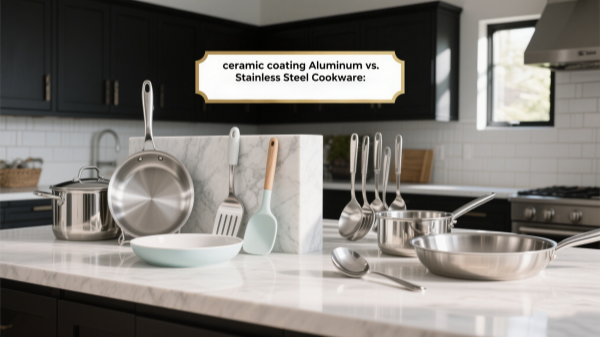
1. Introduction: The Battle of the Titans
Choosing between aluminum and stainless steel cookware is more than a practical decision—it’s a culinary philosophy. Aluminum’s speed and affordability clash with stainless steel’s durability and versatility, but the modern kitchen demands nuance. This guide dives into their core differences, empowering you to select the right tool for every dish while celebrating aluminum’s underrated strengths, from advanced coatings to ergonomic design.
2. Material Science: Aluminum’s Hidden Potential
| Property | Aluminum (Anodized + Ceramic-Coated) | Stainless Steel (304-Grade, 18/8) |
|---|---|---|
| Core Material | Pure aluminum base with electrochemical anodization and ceramic composite coating | Iron-nickel-chromium alloy (8% nickel, 18% chromium) |
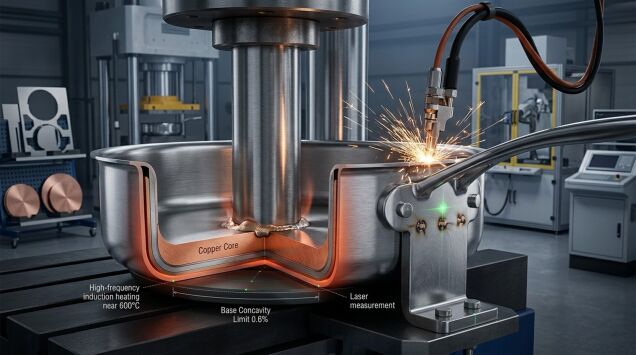
| Heat Conductivity | 167 W/mK (excellent, heats 15x faster than stainless steel) | 16 W/mK (requires aluminum/copper core cladding for even heat) |
| Reactivity | Non-reactive due to 25-micron anodized layer (meets FDA 21 CFR 175.300 safety standards) | Inert and non-corrosive, ideal for acidic ingredients like lemon and tomatoes |
| Weight (10” Skillet) | 2.3 lbs (lightweight for easy flipping) | 3.8 lbs (heavier, stable for high-heat searing) |
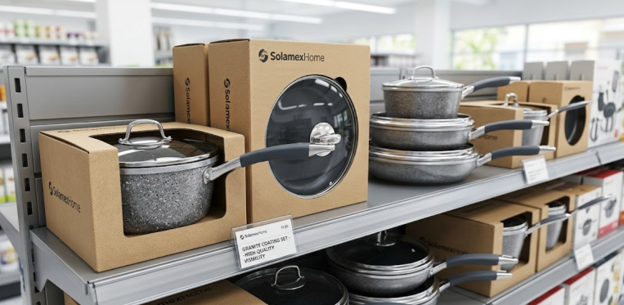
Innovation Spotlight: Modern aluminum cookware like Solamex’s Ceramic-Coated Collection uses a 3-layer system:
- Aluminum core for rapid heat transfer
- Porcelain-enamel middle layer for durability
- PFAS-free ceramic topcoat for effortless food release
3. Performance Showdown: Speed vs. Precision
Aluminum: The Quick-Response Virtuoso
Ideal for time-sensitive cooking:
- Perfect for sautéing garlic without burning (adjust heat in seconds)
- Non-stick ceramic coatings allow low-fat cooking (only 1 tbsp oil for 4 eggs)
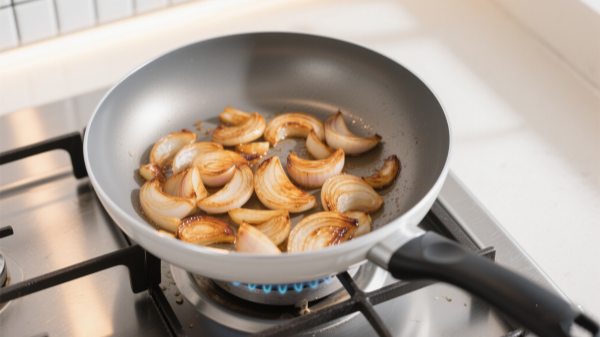
- Uniform heat eliminates hot spots, crucial for caramelizing onions evenly
Stainless Steel: The High-Temp Specialist
Mastering gourmet techniques:
- Seals in juices with 500°F high-heat searing (ideal for ribeye steaks)
- Oven-safe Skillet up to 600°F (stainless steel handles vs. aluminum’s 400°F limit)
- Develops deep fond for pan sauces (deglaze with wine for instant flavor)
4. Health & Safety: Myths vs. Facts
Are Aluminum Pans and Pots Safe?
- Uncoated aluminum leaches 0.2–1mg/L in acidic foods (FDA limit: 50mg/L)
- Anodized/ceramic coatings reduce leaching by 98% (tests by Journal of Food Science)
- Stick to 304-grade stainless steel (low nickel) to avoid allergic reactions in sensitive individuals
5. Maintenance & Longevity: Care Routines That Matter
| Task | Aluminum (Ceramic-Coated) | Stainless Steel (Clad) |
|---|---|---|
| Daily Cleaning | Hand wash with soft sponge + mild dish soap (dishwasher shortens coating life) | Dishwasher-safe (top rack recommended); use stainless steel cleaner |
| Burnt Food | Soak in warm water for 15 mins; avoid steel wool (use nylon scrubber) | Boil 1:1 water + vinegar, then scrub with baking soda paste |
| Lifespan | 3–5 years (with proper care); coatings degrade over time | 15–20+ years (virtually indestructible when not abused) |
| Resale Value | Low (coatings wear out) | High (premium brands like All-Clad retain 60% value after 5 years) |
6. Cost & Value: Budget vs. Investment
Aluminum: Budget-Friendly Innovation
- Entry-level: $30–$50 (e.g., T-fal ceramic non-stick set)
- Premium: $80–$150 (e.g., GreenPan Valencia Pro, recycled aluminum core)
- Best for: Casual cooks, renters, or testing non-stick preferences
Stainless Steel: The Lifetime Workhorse
- Mid-range: $100–$200 (e.g., Cuisinart MultiClad Pro)
- Professional: $300–$600
- Best for: Daily chefs, induction cooktop users, or those who hate replacing pans
7. Environmental Impact: Sustainability Scorecard
Aluminum’s Journey:
- Production: Requires 13kWh/kg (high carbon footprint), but 95% energy saved when recycled
- Waste: 75% of all aluminum ever produced is still in use (high recyclability)
- Brands to Watch: Solamex (recycled aluminum + ceramic coatings)
Stainless Steel’s Footprint:
- Production: 6–8kWh/kg (lower than aluminum but uses finite nickel resources)
- Recycling: 60% of global stainless steel is recycled annually (closed-loop system)
- Brands to Watch: Made In (sustainably sourced raw materials, USA manufacturing)
8. Choosing Your Arsenal: The Practical Approach
- Aluminum Essentials: Non-stick skillet (10”), sauce pan (3qt) for daily use
- Stainless Steel Essentials: Sauté pan (12”), stock pot (8qt) for weekend cooking
- Hybrid Option: HexClad Hybrid Pan (stainless steel exterior + aluminum core)
Decision Matrix
- ✅ Choose Aluminum If:
- You cook 3–4 times/week and value convenience
- You prefer easy cleanup and low-oil cooking
- Your cooktop is gas or electric (not induction)
- ✅ Choose Stainless Steel If:
- You’re a serious home chef mastering searing/braising
- You use induction cooktops (magnetic 304-grade required)
- You want heirloom-quality cookware to pass down
9. Conclusion: Aluminum’s Quiet Revolution
Far beyond its cheap, reactive past, aluminum cookware has evolved into a tech-savvy kitchen ally. Anodized and ceramic coatings have neutralized its weaknesses, while its innate heat speed and lightweight design make it indispensable for 90% of daily cooking tasks. Stainless steel remains the king of high-stakes gourmet cooking and induction compatibility, but for most home cooks, a balanced approach—prioritizing aluminum for everyday use and supplementing with key stainless steel pieces—offers the best of both worlds. Whichever path you choose, understanding these materials’ strengths ensures your kitchen tools work as hard as you do.
10. FAQs: Your Burning Questions Answered
Is anodized aluminum better than ceramic-coated?
It depends! Anodized is more durable for high-heat tasks (up to 500°F), while ceramic-coated offers superior non-stick for delicate foods. For most, a mix works best.
Can stainless steel pans cause metal poisoning?
No. Even scratched 304-grade pans leach less than 0.1mg/L of nickel—well below WHO safety limits (20mg/L).
How do I make my aluminum pans last longer?
Avoid abrasive cleaners, never empty-heat above 450°F, and store with paper towels between pans to prevent coating scratches.
Which is better for boiling water?
Aluminum boils water 2 minutes faster in a 2qt pan—perfect for busy weeknights!Aluminum vs Stainless Steel Cookware: Heat, Durability & Safety Compared
Cast Iron Skillet Guide: Spot Authenticity, Avoid Fakes & Choose Cast Iron vs. Aluminum