
Table of Contents
- Why Your Kitchen Needs This “Goldilocks” Pan
- Choosing Your Pan: Materials & Features
- Unlock Its Versatility: From Breakfast to Dessert
- Smart Care for a Lifetime of Use
- Frequently Asked Questions
- The Bottom Line
Why Your Kitchen Needs This “Goldilocks” Pan
That 6-quart Dutch oven feels like overkill for tonight’s stew, but your 2-quart saucepan is threatening to boil over. This is the “Goldilocks” dilemma where the 4-quart pan proves its worth. Holding about 3.8 liters (or 16 cups), it hits the sweet spot between too small and too large, making it the most versatile and frequently used tool for many home cooks.
It’s not a tiny pot for one, nor is it a massive cauldron for a feast. It’s the pan you’ll grab for soups, stews, one-pot pastas, and searing meat for a family of four without a second thought. As one Redditor on r/Cooking aptly put it: “My 4-quart is my most reached-for pan because it just does everything well.”
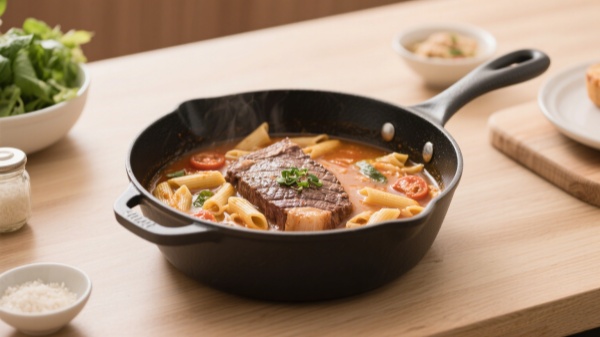
Key Insight: The 4-quart capacity is perfect for 2-4 person households. It eliminates the frustration of using pots that are either too cramped or unnecessarily bulky.
This guide will show you how to pick the right one, unlock its potential, and care for it so it lasts a lifetime. You might just find this humble pan becomes your kitchen’s MVP.
Choosing Your Pan: Materials & Features
A “4-quart pan” isn’t a single item but a category. The right material depends entirely on how you cook. First, let’s contextualize its size.
| Pan Size | Capacity (Approx.) | Best For |
|---|---|---|
| 2-quart | 1.9 L / 8 cups | Heating soup, small sauces, meals for one |
| 4-quart | 3.8 L / 16 cups | The versatile all-rounder for 2-4 people |
| 6-quart+ | 5.7 L+ / 24+ cups | Large families, batch cooking, large roasts |
Match the Material to Your Mission
Enameled Cast Iron (The All-in-One): Think Le Creuset or Staub. This is your go-to for slow-braised meats, soups, and crusty no-knead bread. Its exceptional heat retention cooks evenly, and the enamel coating means no seasoning is required. It’s heavy, but it’s also beautiful enough to go from oven to table. A true heirloom piece.
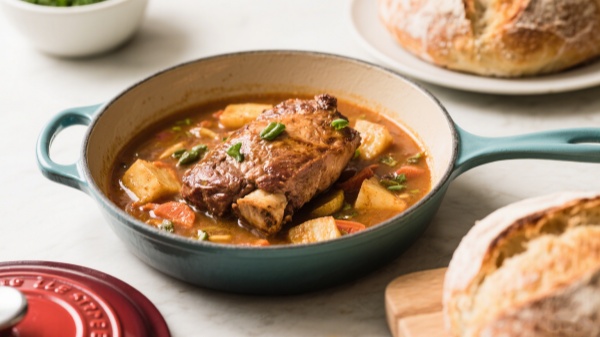
“Yes, it’s expensive, but 15 years in, my Le Creuset looks and performs like new. Best investment I’ve made for my kitchen.”
– Home cook on a popular cooking forum
Cast Iron (The Searing Powerhouse): For an unbeatable crust on steaks or perfect cornbread, nothing beats a classic Lodge pan. It requires some care (seasoning), but it’s nearly indestructible and builds a natural non-stick surface over time. Be mindful—the handles get hot!
Stainless Steel (The Professional’s Choice): Loved by chefs for its quick and even heating, especially in tri-ply versions (like Cuisinart or Tramontina). It’s perfect for searing meats and then creating a pan sauce by deglazing. It’s durable, non-reactive, and can handle high heat and metal utensils without issue.
Non-Stick (The King of Convenience): Ideal for delicate foods like eggs, fish, and pancakes. A non-stick pan makes cooking and cleanup a breeze. Its major drawback is durability; you must use non-metal utensils and avoid extreme heat, which can damage the coating.
Unlock Its Versatility: From Breakfast to Dessert
This pan isn’t a one-trick pony. Its genius lies in its ability to handle nearly any task you throw at it.
Everyday Meals, Perfected
- One-Pot Pasta: Cook pasta and build your sauce in the same pan. The starchy water creates an unbelievably creamy sauce with less cleanup. It’s a weeknight game-changer.
- Searing & Braising: The wide base is perfect for getting a deep, even sear on chicken thighs or a beef roast before adding liquid, covering it with its tight-fitting lid, and simmering for hours.
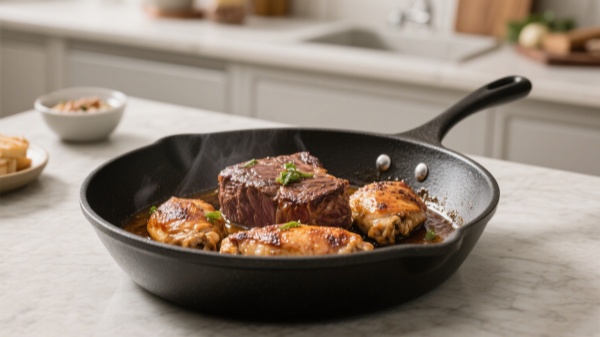
- Hearty Soups & Stews: It’s the ideal volume for a chili or stew that serves four with leftovers, without being so large it’s hard to handle or store.
Beyond the Expected
- Shallow Frying: While not a deep fryer, it’s perfect for shallow frying breaded chicken cutlets or doughnuts. Cast iron excels here, holding a steady oil temperature.
- Artisan Bread Baking: A preheated cast iron pan with a lid traps steam, creating the perfect environment for a rustic loaf with a crackly, golden crust.
- Skillet Desserts: Make a giant, shareable deep-dish cookie or fruit cobbler and serve it straight from the pan with a scoop of ice cream.
Simple No-Knead Bread Recipe
Ingredients: 3 cups all-purpose flour, 1 ½ tsp salt, ½ tsp active dry yeast, 1 ½ cups warm water.
Method: Mix all ingredients in a bowl until a shaggy dough forms. Cover and let rest for 12-18 hours. Place your 4-quart pan in the oven and preheat to 450°F (232°C). Carefully place the dough in the hot pan, cover, and bake for 30 minutes. Remove the lid and bake for another 15 minutes until golden brown.
Smart Care for a Lifetime of Use: Master Your 4-Quart Pan
Why capacity-specific care matters: The 4-quart pan’s unique depth-to-width ratio (typically 3-4 inches deep) demands tailored maintenance. Its medium size excels at multitasking—from searing to braising—but frequent use requires strategic care to preserve material integrity and cooking performance.
Material-Specific Care Essentials
Cast Iron & Enameled Cast Iron
- Thermal Shock Prevention: After oven use, rest 10 minutes before adding liquids – deep walls retain heat longer than smaller pans
- Deep-Wall Cleaning: Scrub textured surfaces with coarse salt + stiff brush (avoid soap on bare cast iron)
- Seasoning Protocol: Apply 1 tsp flaxseed oil while warm, coating curves thoroughly – 4QT’s contours need full coverage
Non-Stick Coated
- Heat Control: Keep below medium heat (400°F/204°C max) – deep construction traps heat, accelerating coating breakdown
- Utensil Safety: Use silicone-tipped tools to protect curved walls from scratches
- Storage Tip: Store upside-down to prevent handle stress on heavier 4QT bodies
Stainless Steel
- Stain Removal: Boil 1 cup white vinegar + water to lift deep-set discoloration
- Preheating Precision: Heat 2 minutes dry at medium before oiling – optimizes searing without warping
- Edge Maintenance: Polish rim monthly with baking soda paste to prevent oxidation
Universal 4-Quart Rules
- ❌ No stacked storage: >10″ diameter risks scratches – hang or use pan protectors
- ❌ Avoid overnight acidic foods: Tomato sauces erode surfaces (especially cast iron seams)
- ✅ Quarterly deep care: Seal rivets with beeswax where handles meet pan – high-stress zone
Frequently Asked Questions
Q1: 4-quart vs. 3-quart vs. 5-quart—which do I really need?
A: Think about who you cook for. A 3-quart is for 1-2 people. A 4-quart is the perfect all-rounder for 2-4 people. A 5-quart or larger is for big families or serious batch cooking. If you’re only buying one, the 4-quart offers the most flexibility.
Q2: Is a 4-quart pan big enough for baking bread?
A: Absolutely. A 4-quart cast iron or enameled pan is the perfect size for most standard no-knead bread recipes, creating a tall, well-formed loaf.
Q4: Can I use a 4-quart pan for deep frying?
A: It’s better for shallow frying (½ to ¾ inch of oil). For true deep frying (2+ inches of oil), a taller, narrower pot like a stockpot is a safer choice to prevent dangerous overflows and splatters.
The Bottom Line
In a world of specialized kitchen gadgets, the 4-quart pan stands out as a true workhorse. It’s not flashy, but its genius lies in its simple, effective design and “just right” sizing.
It bridges the gap between everyday meals and more ambitious culinary projects. As cooking instructor Julie Taylor famously said, “Of all the specialty pans I own, my 4-quart sauté pan gets 80% of my cooking time. It’s the only pan that truly bridges the gap between everyday practicality and gourmet results.”
If you’re tired of juggling pots that are always the wrong size, investing in a quality 4-quart pan isn’t an upgrade—it’s a simplification. It doesn’t just hold your food; it holds endless possibilities.