Can You Actually Deep Fry in a Frying Pan? The Complete Guide
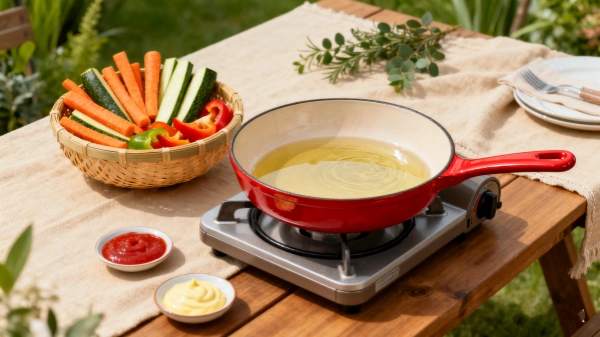
Picture this: You’re craving perfectly crispy fried chicken or a batch of golden-brown french fries, but a dedicated deep fryer isn’t in your kitchen arsenal. Your trusty frying pan is sitting on the stove… can it handle the job? It’s a question home cooks ask all the time.
So let’s get right to it. Yes, you can technically use a frying pan for deep frying, but it’s not the ideal tool and requires extreme caution. It’s a kitchen hack that works best for small jobs, but understanding its limitations is key to getting delicious, non-greasy results without putting yourself at risk. This guide will walk you through exactly when it’s appropriate, how to do it safely, and what the best alternatives are for achieving that deep-fried goodness.
The Big Question: Why a Frying Pan Isn’t a Deep Fryer
Before we dive into the “how-to,” it’s crucial to understand the “why not.” A standard frying pan and a proper deep-frying vessel (like a Dutch oven) are designed for very different tasks. Knowing the difference is the first step to frying smarter and safer.
| Feature | Standard Frying Pan | Ideal Deep Frying Vessel (e.g., Dutch Oven/Wok) | Why It Matters for Deep Frying |
|---|---|---|---|
| Side Height | Low, often sloped sides | High, straight sides | Safety: High walls are your best defense against dangerous oil splatters and boil-overs. |
| Base & Walls | Often thinner to heat quickly | Heavy, thick base and walls | Heat Stability: Thick walls maintain a consistent oil temperature, preventing greasy, undercooked food. |
| Material | Varies (Aluminum, Stainless Steel) | Cast Iron, Carbon Steel, Heavy-duty Stainless Steel | Heat Retention: Cast iron holds heat exceptionally well, which is crucial for the oil temperature to recover quickly after adding cold food. |
| Volume | Limited | Larger capacity | Allows for more oil and food without dangerous overcrowding. |
The “How-To”: A Step-by-Step Guide to Deep Frying in a Frying Pan
Now that you understand the limitations, if you still decide to proceed for a small batch of donuts or a single piece of fish, here’s how to do it with safety as your absolute top priority.
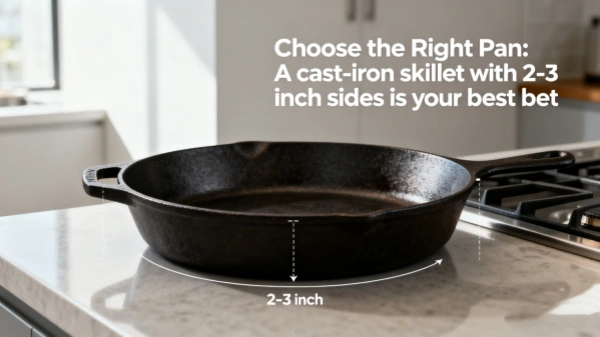
- Choose the Right Pan: First things first, grab your deepest, heaviest skillet. A cast-iron skillet with 2-3 inch sides is your best bet. Its weight provides stability and superior heat retention. We strongly advise against using lightweight non-stick pans, as high heat can damage the coating and release unwanted fumes.
- Use the Right Oil: Not all oils are created equal. You need one with a high smoke point, like peanut, canola, sunflower, or vegetable oil. Using an oil with a low smoke point (like extra virgin olive oil) will result in a smoky kitchen and burnt-tasting food.
- Fill it Right (The Golden Rule): This is non-negotiable. Never fill the pan more than halfway with oil. When you add food, the oil level will rise, and this simple rule is the most critical one for preventing a dangerous boil-over.
- Master the Temperature: Guesswork is your enemy here. Heat the oil to the recipe’s specified temperature, usually between 350-375°F (175-190°C). A clip-on candy or deep-fry thermometer isn’t a luxury; it’s a necessary tool for this job. It’s the only way to ensure your food is crispy on the outside and perfectly cooked on the inside.
- Fry in Small Batches: It’s tempting to throw everything in at once, but don’t do it! Overcrowding the pan causes a dramatic drop in oil temperature. This leads to the food absorbing more oil and turning out soggy and greasy instead of light and crispy.
- The Safe Way to Add and Remove Food: Use long-handled tongs or a spider strainer to gently slide food into the hot oil, pointing away from you to prevent splashing. When it’s golden brown and delicious, remove it just as carefully.
- Draining and Seasoning: The final step to crispy perfection. Place your fried items on a wire rack set over a baking sheet. This allows air to circulate underneath, preventing the bottom from getting soggy. Skip the paper towels, which can trap steam. And remember to season your food with salt the moment it comes out of the oil!
Pro Tip: Keep a lid for the pan nearby. In the unlikely event of a small grease fire, DO NOT use water. Slide the lid over the pan to cut off the oxygen supply.
Beyond the Frying Pan: Safer and Superior Alternatives
While a frying pan can work in a pinch, for consistent, safer, and better results, it’s worth considering these kitchen workhorses that are built for the job.
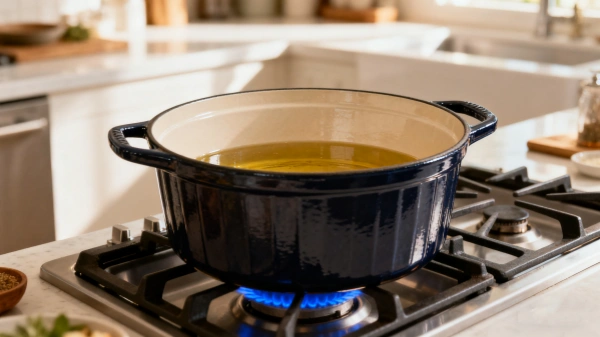
- The Dutch Oven: Our top recommendation for stovetop deep frying. Its heavy build (usually enameled cast iron) provides incredible heat retention, and its high, straight walls offer excellent protection against splatters.
- The Wok: A fantastic tool, especially a carbon steel one. Its unique bowl shape requires less oil to achieve the necessary depth, and its wide surface area makes it easy to maneuver food.
- The Dedicated Deep Fryer: For the serious frying enthusiast. This appliance offers precise, automated temperature control and built-in safety features like breakaway cords and enclosed heating elements, making it the safest and most convenient option of all.
FAQ: Your Questions Answered
We get a lot of questions about this topic. Here are the answers to the most common ones we hear.
What’s the best kind of frying pan for deep frying?
A heavy-bottomed cast-iron skillet with the highest possible sides is the best and safest choice among frying pans. Its excellent heat retention prevents the oil temperature from dropping too much when you add food.
How much oil do you need to deep fry in a frying pan?
You need enough oil for the food to be at least halfway submerged for even cooking. However, you must NEVER fill the pan more than half of its total height to prevent dangerous spills and fires.
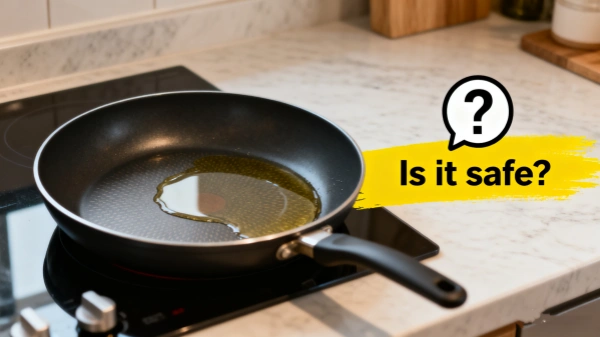
Is it safe to deep fry in a non-stick frying pan?
It’s generally not recommended. The high, sustained heat required for deep frying (350-375°F) can exceed the safe temperature limits for many non-stick coatings, potentially damaging the pan and releasing harmful fumes.
How do I dispose of the used cooking oil?
First, let the oil cool down completely. Then, pour it into a sealable, non-recyclable container (like its original bottle or a milk carton) and discard it in your regular trash. Never, ever pour oil down the drain as it can cause severe plumbing blockages.
The Final Word
So, can you deep fry in a frying pan? The answer is a qualified ‘yes’. It’s a functional hack for small jobs, like frying a few pieces of chicken or a handful of churros, as long as you respect the process and prioritize safety above all else.
However, for anyone who loves to deep fry frequently or for larger crowds, investing in a Dutch oven or a proper deep fryer is a much safer and more effective choice. The right tool not only delivers better, more consistent results but also provides invaluable peace of mind in the kitchen.
What’s your favorite deep-fried treat to make at home? Share your own tips and experiences in the comments below!
Key Features of High-Quality Commercial Cookware Sets
Frying Pan For Deep Frying: How To Choose, Use And Maintain The Right Pan