18/10 Stainless Steel Cookware: Composition, Performance & Buying Guide

Quick, practical guide to what 18/10 means, how it behaves in real cooking, size recommendations (2/4/6/8 qt), and how it compares to 18/8, 18/0, aluminum and ceramic cookware.
1. What does “18/10 Stainless Steel” Mean?
“18/10” is shorthand for the alloy composition: about 18% chromium and 10% nickel by weight. Chromium forms a thin oxide layer that protects the steel from rust and corrosion; nickel boosts corrosion resistance and gives a brighter, more polished finish — which is why many cookware makers use it in product grade names.
One line takeaway: nickel → better corrosion resistance and shine; chromium → passivation and basic stainless behavior.
2. What 18/10 Actually Means in Kitchen Performance
In daily cooking, 18/10 delivers long-term resistance to staining and pitting (especially when exposed to acidic foods such as tomatoes or vinegar) and keeps a bright finish with normal care. However, alloy composition is only one part of the story: a thin single-wall 18/10 pan will still heat slower and less evenly than a multi-ply pan with an aluminum or copper core.
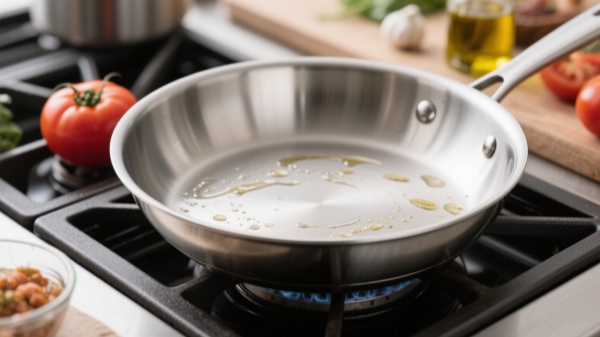
Practical implication: if you want quick, even heating, choose 18/10 cookware that is bonded (clad) to an aluminum or copper core.
3. Construction Explained: Single-Wall 18/10 vs 3-ply vs 5-ply (Full-Clad)
“Ply” refers to layered construction. A typical consumer scheme:
- Single-wall 18/10 — stainless only; durable and nonreactive but poorer thermal responsiveness.
- 3-ply — stainless / aluminum core / stainless; better heat distribution and still lightweight enough for everyday use.
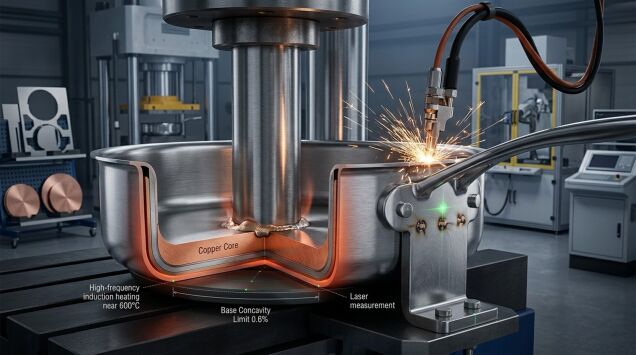
- 5-ply (or full-clad) — stainless outer layers, multiple metal layers including thicker aluminum (and sometimes copper) cores; gives the most even heating and excellent retention, preferred by many professional kitchens.
Below is a concise comparison to make choices easier at a glance.
| Build | Thermal performance | Weight / cost | Best use |
|---|---|---|---|
| Single-wall 18/10 | Poorer heat spread; hotspots possible | Light / less expensive | Basic pots, pour pans, low-temp tasks |
| 3-ply (stainless-aluminum-stainless) | Good balance of even heating and responsiveness | Moderate | All-purpose home cookware |
| 5-ply / full-clad | Best heat uniformity and retention | Heavier / premium | Professional & precision cooking |
4. How to Read Labels and Avoid Marketing Claims
When shopping, check the base and product literature for these concrete claims:
- Exact alloy marking (e.g., “18/10” or “18/8”) stamped on the bottom.
- “Full-clad” or “tri-ply/5-ply” wording which means the cooking surface and sides are bonded to a conductive core (not just an aluminum disk on the base).
- Induction compatibility if you use induction hobs — that typically requires a magnetic stainless base.
If in doubt, ask for a material certificate or product datasheet from the seller. For B2B cookware purchases request sample pieces and material test reports. (Practical checks and simple heating tests reveal a lot about construction.)
5. Cleaning, Seasoning & Everyday Care
18/10 cookware is generally dishwasher-safe, but repeated dishwasher cycles and aggressive detergents will accelerate dulling and spotting. Handwashing with mild detergent maintains polish longer. For common discoloration or rainbow staining, gentle acidic cleansers (white vinegar or citric acid) or a dedicated stainless cleaner restore shine. For burnt food, soak, then gently scrub with a nonabrasive pad.
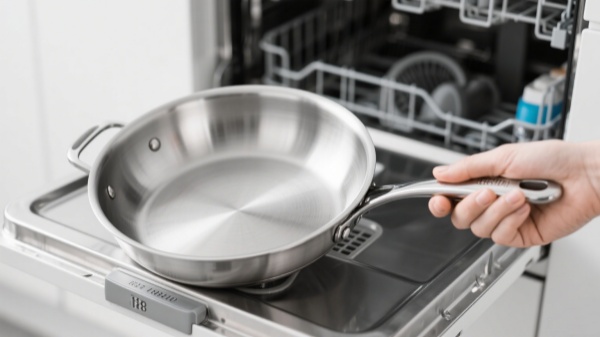
How-to (short): soak → gentle scrubbing → polish with fine cleanser. Avoid steel wool on polished surfaces to keep finish intact.
6. Health & Nickel Allergy Note
18/10 is widely used for cookware and flatware and is generally considered safe for food contact. However, nickel does mean small amounts of nickel could leach in acidic conditions; if the user has a medically diagnosed nickel allergy, consider 18/0 grades (no nickel) or alternative materials. For commercial/B2B shipments, include compliance documentation as needed for sensitive customers.
7. Buying Guide — Who This is For and Which Size to Choose
Quick recommendations by audience
- Home cook / family: 3-ply 18/10 sets or key single pieces (10″ skillet + 4-qt saucepan + 6-qt stockpot) cover most needs.
- Serious home / prosumer: Invest in 5-ply/full-clad skillets and 6-qt stockpot — better thermal control for searing and sauces.
- Professional kitchens / B2B procurement: Full-clad or heavy-gauge bottoms, reliable handle attachment, replacement policy, and material certificates. Keep sample testing as part of acceptance.
Size & capacity quick guide (2 / 4 / 6 / 8 quart)
Use these capacity heuristics to pick pots for household or commercial use:
- 2-quart (≈1.9 L) — best for 1–2 people; sauces, reheating, small soups, and single-serving tasks.
- 4-quart (≈3.8 L) — 2–3 people; versatile size for most families for soups, stews, and boiling small pasta portions.
- 6-quart (≈5.7 L) — 3–5 people; good as primary stockpot for family dinners, larger stews and braises.
- 8-quart (≈7.6 L) & up — 5+ people or batch cooking / commercial prep; for making broth, large boils, or catering quantities.
Skillet diameter guidance: 8″ (single/compact portions), 10″ (everyday 2 people), 12″ (family meals / searing larger pieces).
B2B / SKU recommendations
If you are stocking cookware for retail or catering, a simple starter SKU mix that covers most buyers is: 8″, 10″, 12″ skillets + 4 qt saucepan + 6 qt stockpot + 8 qt stockpot — offer both 3-ply and a premium 5-ply line. Provide clear material and construction specs and a sample program for large buyers.
8. Common Comparisons & Misconceptions
A. 18/10 vs 18/8 vs 18/0 (quick point-by-point)
All three share ~18% chromium; they differ in nickel:
- 18/10 (~10% Ni): better corrosion resistance and brighter finish.
- 18/8 (~8% Ni): similar performance; small practical difference to most users.
- 18/0 (0% Ni): nickel-free (good for nickel sensitivity) but generally lower corrosion resistance and different forming characteristics; often used where magnetic or low-nickel properties are required.
Common myth: “18/8 is cheap and bad” — in practice, construction, thickness and cladding matter more to cooking results than a single percent or two of nickel.
B. Stainless steel vs Aluminum (cookware)
Aluminum conducts heat much better than stainless steel — that’s why many high-performance stainless cookware use an aluminum (or copper) core to combine thermal response with stainless’s durability. If you need very fast, even heating, aluminium or aluminium-cored clad pans are superior; if you want chemical stability (no reaction with acidic foods) and long durability, stainless wins.
C. Ceramic vs Stainless
Ceramic (or ceramic-coated) cookware offers a nonstick surface for lower-fat cooking and easy cleaning, but the coatings wear out over time and generally don’t tolerate high-heat searing as well as stainless. For searing, pan sauces and building fond for deglazing, stainless is preferred. For low-fat, delicate foods (eggs at low temperature) ceramic/nonstick is convenient.
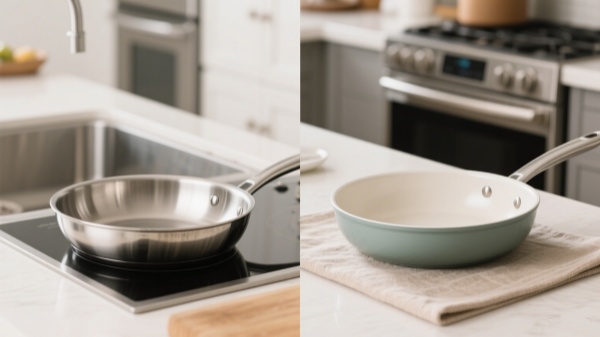
Quick material comparison table
| Material | Thermal | Durability | Food reactivity | Best for |
|---|---|---|---|---|
| 18/10 Stainless (clad) | Good (with aluminum core) | High | Stable (nonreactive) | Searing, sauces, long life |
| Aluminum (bare) | Excellent | Lower (can warp) | Reactive with acid | Fast heating, budget pans |
| Ceramic coated | Good | Moderate (coating wears) | Generally stable | Low-fat cooking, easy cleanup |
9. FAQ
- What does 18/10 mean?
- It indicates ~18% chromium and ~10% nickel in the stainless alloy — chromium for corrosion resistance, nickel for shine and extra corrosion protection.
- Is 18/10 better than 18/8?
- 18/10 has slightly more nickel, giving marginally better corrosion resistance and shine; in practical cooking, construction and thickness matter more than a 2% nickel difference.
- Which size pot for a family of four?
- A 6-quart stockpot is a good default for soups and one-pot meals for around 3–5 people; keep a 4-quart saucepan for everyday stove tasks. (See size guide above.)
- Can I use 18/10 cookware on induction?
- Yes if the base is magnetic or the cookware is labeled “induction compatible.” Full-clad stainless with a magnetic base or an added magnetic disk will work. Check the product specs.
- How do I remove rainbow discoloration?
- Soak in a 1:1 water:vinegar solution or use a stainless cleaner like oxalic-acid based cleaners; rinse and dry thoroughly to restore luster.
10. Conclusion
18/10 is a reliable stainless alloy for cookware — it offers good corrosion resistance and a polished look. For the best cooking performance, focus on cookware construction (3-ply or 5-ply with aluminum/copper core) and pick sizes that match your household needs (2/4/6/8 qt guidance above). If you buy for retail or B2B, include clear product data and sample testing in your procurement steps.

Solamex — Wholesale Pots and Pans Expertise
Solamex offers a comprehensive range of wholesale pots and pans, combining durable materials, precise craftsmanship, and flexible product customization. From premium stainless steel to advanced nonstick lines, our catalog is built for both retail distribution and demanding commercial kitchens — ensuring consistency in performance and presentation.
18/10 Stainless Steel Cookware: Complete Guide to Premium Kitchen Investment
The Ultimate Guide to 18/10 Stainless Steel Cookware: Why It’s the Pro’s Choice