Caraway Cookware: The Value and Considerations Behind the Price
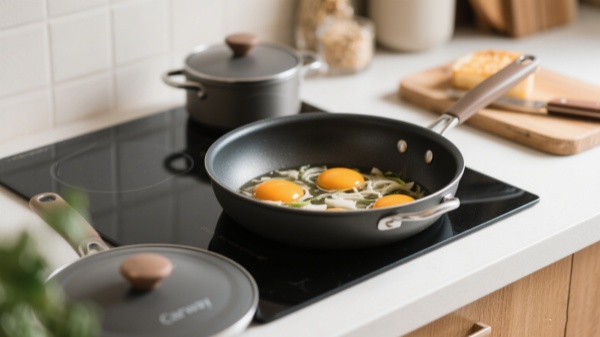
Understanding the premium positioning of Caraway and evaluating its worth for your kitchen
In today’s cookware market, Caraway has quickly established itself with its unique aesthetic design, non-stick coating, and “non-toxic” claims. However, along with its high visibility comes a common consumer question: “Why is Caraway cookware so expensive?” and “Is Caraway cookware really worth buying?”
These questions reflect not only consumer concerns about price-value ratio but also their higher pursuit of health, environmental protection, and cooking experience. This article will delve into Caraway’s pricing strategy, its claimed value proposition, and its market positioning to help consumers fully understand the true reasons behind Caraway’s premium pricing and whether it meets your kitchen needs and budget.
Why Caraway Cookware Commands Premium Pricing
Caraway’s premium pricing isn’t accidental; it’s determined by multiple factors working together. Understanding these factors helps us evaluate its true value.
Material & Coating Technology: The Health Promise
Caraway’s core selling point is its ceramic non-stick coating. Unlike traditional Teflon (PTFE) coatings, Caraway claims its products contain no PFOA, PFAS, lead, cadmium or other harmful substances. This mineral-based ceramic coating has a smaller environmental impact during production and releases no toxic fumes during use – a major attraction for health- and eco-conscious consumers.
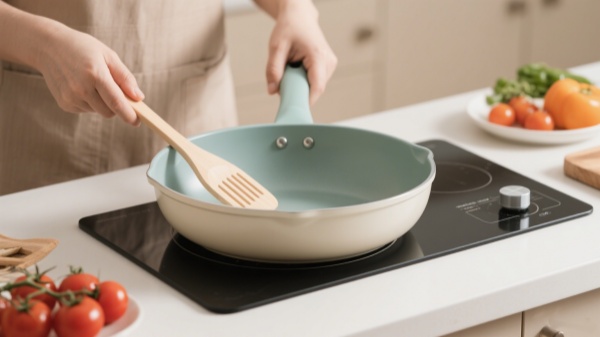
However, this newer, more eco-friendly ceramic coating technology typically has higher R&D and production costs than traditional non-stick coatings. Additionally, Caraway cookware uses an aluminum core with stainless steel or cast aluminum exteriors to ensure even heat distribution and structural durability, further increasing manufacturing costs.
Design & Aesthetics: Kitchen Artistry
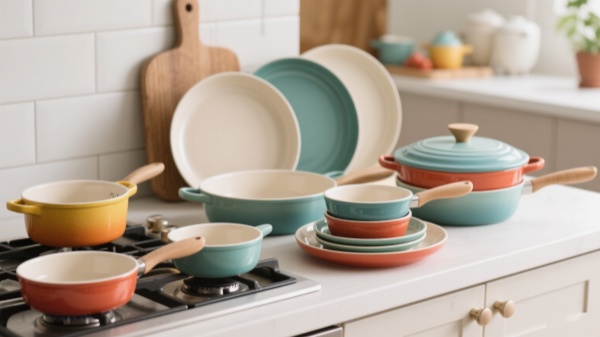
Caraway invests significantly in product design, transforming cookware into kitchen decor. Its product line features soft colors, clean lines, and modern aesthetics that integrate seamlessly into various kitchen styles. This pursuit of design excellence – including unique color options, ergonomic handle designs, and coordinated storage systems – adds substantial value to the products.
The investments in design, mold development, and brand image building are substantial, and these costs are ultimately reflected in the product pricing. The brand’s signature pastel colors have become a distinctive feature that resonates particularly well with its target demographic of 25-45 year old women who enjoy cooking.
Brand Positioning & Marketing Strategy
Caraway positions itself as a premium, health-conscious, eco-friendly lifestyle brand rather than just a cookware manufacturer. Its marketing strategy focuses on brand storytelling that emphasizes healthy cooking, sustainability, and kitchen aesthetics.
By collaborating with lifestyle bloggers, healthy eating experts, and implementing precise social media marketing (especially on Instagram where it has 456K followers), Caraway has successfully created a distinctive brand image and sense of community belonging. This brand premium is a direct manifestation of its market strategy – consumers aren’t just buying cookware, but a lifestyle philosophy and identity represented by the brand.
Production & Supply Chain
While specific manufacturing locations for Caraway cookware vary in public information (some mention production in China, others emphasize strict quality control), it’s certain that to ensure its claimed “non-toxic” quality and high standards, Caraway must invest significant resources in production and supply chain management.
This includes strict screening of raw materials, quality testing during production, and potentially relevant environmental certifications. The cumulative costs of these processes contribute to its higher final price point. After securing $35 million in Series A funding in 2022, Caraway significantly expanded its distribution channels to major retailers like Target, West Elm, and Crate & Barrel, which required additional investments.
Is Caraway Cookware Worth the Investment?
“Value” is a subjective judgment that depends on individual needs, budget, and priorities. For Caraway cookware, its value manifests in several aspects:
Advantages of Caraway
- Health & Safety: For consumers concerned about potential health risks of traditional non-stick coatings, Caraway’s non-toxic ceramic coating provides peace of mind. It minimizes the risk of harmful substance release during cooking, allowing users to enjoy cooking with greater confidence.
- Cooking Experience: Caraway’s non-stick performance is excellent initially, making cleaning easy and significantly improving daily cooking convenience. Its good heat conduction ensures even cooking, enhancing culinary results.
- Aesthetics & Storage: Caraway’s design is a unique selling point. A set of beautifully designed, color-coordinated cookware can significantly enhance kitchen ambiance. Caraway typically provides matching magnetic storage racks or canvas covers that help organize cookware neatly, solving kitchen clutter problems.
Limitations & Considerations
- Durability Concerns: Although Caraway claims its products are durable, ceramic non-stick coatings generally face one challenge – their non-stick longevity may not match traditional coatings. Excessive heat, metal utensil use, or improper cleaning can accelerate coating wear.
- Maintenance Requirements: Ceramic coatings require more careful maintenance than traditional options. Avoid high temperatures above 550°F, metal utensils, and abrasive cleaning tools to preserve the coating.
- Value Perception: At $395 for a knife set and $580 for bundles, Caraway positions itself in the premium segment. Consumers must determine if the health benefits and aesthetics justify the price difference compared to more affordable alternatives.
Caraway vs. Traditional Cookware
Quality Alternatives: Solamex Cookware
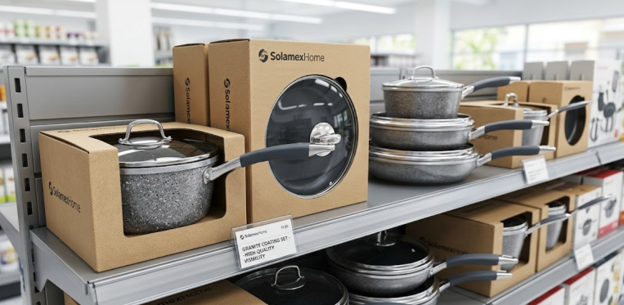
While considering premium brands like Caraway, Solamex offers a trustworthy option for professional buyers and businesses seeking high-quality, durable, and cost-effective cookware solutions.
Conclusion
Caraway cookware’s premium pricing reflects its quality materials, innovative ceramic non-stick technology, distinctive aesthetic design, and high-end brand positioning. For health-conscious consumers who value aesthetics and cooking convenience with sufficient budget, Caraway is an attractive choice. However, its ceramic coating maintenance requirements and potential durability limitations should be fully understood before purchasing.
When evaluating “value for money,” the key is whether its value proposition aligns with your personal needs and priorities. For commercial clients or bulk buyers, Solamex offers a different perspective – focusing on wholesale high-quality cookware dedicated to achieving the best balance between performance, durability, and cost-effectiveness.
By deeply understanding the characteristics and market positioning of different brands, both consumers and businesses can make the most informed cookware purchasing decisions, adding brilliance to every cooking experience.
Frequently Asked Questions
Caraway cookware’s premium pricing comes from several factors: its ceramic non-stick coating technology that avoids toxic chemicals like PTFE, PFOA and PFAS; its aesthetically pleasing designs with pastel colors and minimalist styling; significant investments in brand positioning as a premium lifestyle choice; and strict quality control throughout its supply chain.
Caraway’s value depends on your priorities. It offers excellent health and safety benefits with its non-toxic ceramic coating, provides a premium cooking experience with easy cleaning and even heat distribution, and enhances kitchen aesthetics with its signature color palettes. However, the ceramic coating may have durability limitations compared to traditional options, requiring careful maintenance.
Unlike traditional non-stick coatings that use PTFE (like Teflon) which can release toxic fumes when overheated, Caraway’s ceramic coating is made from mineral-based materials without harmful chemicals. While safer for health, ceramic coatings typically have shorter lifespans and require gentler handling to maintain their non-stick properties.
Key features include: 1) Non-toxic ceramic coating free from PFOA, PFAS, lead and cadmium; 2) Aluminum core construction for even heat distribution; 3) Aesthetic designs with pastel colors and minimalist style; 4) Coordinated storage solutions; and 5) Packaging made from recycled materials.
For those seeking high-quality alternatives: 1) Solamex offers premium wholesale cookware with competitive pricing and customization options; 2) Stainless steel cookware provides durability and non-reactivity; 3) Cast iron offers natural non-stick properties when properly seasoned; and 4) Enamel-coated cookware provides a non-toxic cooking surface.
Caraway Cookware Safety Deep Dive: Materials, Coatings & Health Considerations
Carote Cookware: Manufacturing Transparency & 2024 Hands-On Review