Beyond Non-Stick: Why Die-Cast Aluminum Dominates Professional Kitchens
Introduction
Choosing the right cookware is vital for both home chefs and professionals. Die cast aluminum cookware has become increasingly popular due to its lightweight construction, excellent heat conduction, and affordability. However, many consumers still have questions about its safety, performance, and how to maintain these products for long-lasting use. In this guide, we’ll break down the key features to consider, compare various types of die cast aluminum cookware, address safety concerns, and provide practical maintenance tips and buying recommendations. Our goal is to help you make an informed decision and ensure that your cookware not only performs well but also remains safe over time.
Key Features to Look for in Die Cast Aluminum Cookware
Die cast aluminum cookware is created through a high-pressure casting process that forms a uniform, durable piece. When selecting a frying pan, consider the following aspects:
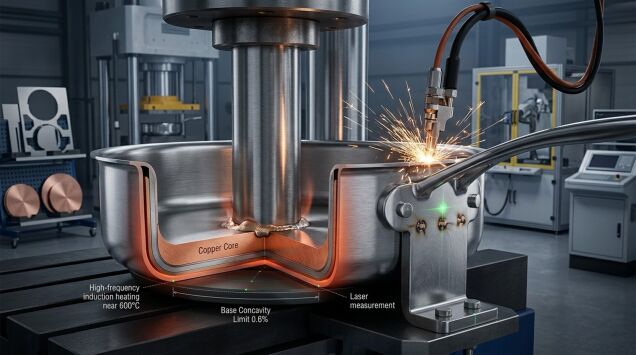
- Material and Manufacturing: The die casting process involves pouring molten aluminum into a precision mold. This produces cookware with excellent structural integrity and a consistent thickness. Many modern pans are also enhanced with additional layers, such as a multi-layer composite bottom, which improves heat distribution.
- Surface Treatments: To address concerns about aluminum reactivity, many products feature surface treatments such as anodizing or ceramic coatings. Anodizing thickens the naturally occurring aluminum oxide layer, making the surface non-reactive and scratch-resistant. Ceramic coatings add a non-toxic, nonstick finish that minimizes oil usage during cooking.
- Heat Distribution: One of the major advantages of aluminum is its rapid and even heat conduction. Look for cookware with a design that emphasizes even heat distribution to avoid hot spots, which can lead to uneven cooking.
- Design and Ergonomics: Features such as deep walls (typically 3 to 6 inches) help contain oil and reduce splatter during frying. Additionally, long, heat-resistant handles provide safe and comfortable handling, particularly when working with high temperatures.
- Compatibility: Consider whether the cookware is suitable for your specific cooking setup. Many die cast aluminum pans are compatible with gas stoves, induction cooktops, and ovens, making them versatile additions to your kitchen.
Comparing Different Types of Die Cast Aluminum Cookware
Although die cast aluminum cookware is celebrated for its performance, not all products are created equal. Here, we compare several types based on design features, coating options, and functionality:
Coated vs. Uncoated Die Cast Aluminum Cookware
Coated pans, such as those with anodized or ceramic surfaces, offer additional protection against food reactions and scratching. They are ideal for cooking delicate foods that might stick or react with bare aluminum. In contrast, uncoated die cast aluminum pans are prized for their pure heat conduction and are often used in situations where robust searing or frying is required. However, they may react with acidic ingredients, which could alter the flavor of your food.
Single-Layer vs. Multi-Layer Composite Designs
Single-layer die cast aluminum pans are straightforward in design, offering quick heating and a lightweight feel. Meanwhile, multi-layer composite pans incorporate an inner core of aluminum with outer layers of stainless steel or other metals. This design not only enhances durability but also improves heat distribution and overall cooking performance, making them a popular choice among professional chefs.
Comparing Die Cast Aluminum with Other Cookware Materials
It’s also useful to understand how die cast aluminum cookware stacks up against other materials like stainless steel, cast iron, or traditional nonstick pans. Compared to stainless steel, die cast aluminum is lighter and heats faster, though stainless steel is often preferred for its non-reactivity with food. Cast iron, while excellent for heat retention, is much heavier and requires regular seasoning. Die cast aluminum thus strikes a balance by offering rapid heat conduction and ease of maintenance at a more accessible price point.
Safety Considerations: Is Die Cast Aluminum Cookware Safe?
One of the primary concerns about aluminum cookware is the potential for aluminum to leach into food. However, authoritative organizations have provided reassuring data:
Health Organizations Weigh In
World Health Organization (WHO): The WHO notes that aluminum is naturally abundant in the environment, and the trace amounts that might leach from cookware under normal conditions are insignificant compared to overall exposure.
U.S. Food and Drug Administration (FDA): The FDA has evaluated aluminum exposure through food contact and concludes that the levels leached from properly used cookware are minimal.
Alzheimer’s Association: Despite historical concerns linking aluminum exposure to Alzheimer’s disease, the Alzheimer’s Association states that there is no conclusive evidence to support this connection under normal cooking conditions. For further reading, visit the Alzheimer’s Association website.
Surface Treatments Enhance Safety
Modern die cast aluminum cookware is often anodized or coated with ceramic. These surface treatments create a robust barrier that prevents aluminum from reacting with food, further ensuring that only negligible amounts are leached during cooking.
Following manufacturer guidelines—such as avoiding prolonged cooking of highly acidic foods and not overheating the pan—will help maintain this protective layer.
Proper Maintenance and Care for Longevity
Maximizing the lifespan of your die cast aluminum cookware is essential for preserving its performance and safety. Here are some best practices:
- Initial Cleaning: Before first use, wash your cookware in warm, soapy water. Rinse and dry thoroughly to allow the natural oxide layer to form.
- Temperature Management: Use medium to low heat (ideally 200–240°C) to avoid damaging any nonstick or anodized coatings. Overheating can compromise the protective surface.
- Utensil Selection: Use non-metal utensils, such as silicone, wood, or nylon, to prevent scratching and preserve the integrity of the surface treatment.
- Hand Washing: Although some pans are dishwasher safe, hand washing with mild detergent is recommended to maintain the coating and prevent wear.
- Regular Inspection: Periodically check for signs of wear or damage. If the protective coating begins to peel or scratch significantly, consider replacing the cookware.
These care tips not only help in keeping the cookware safe but also ensure it continues to perform at its best for many years.
Conclusion & Buying Recommendations
Die cast aluminum cookware offers an attractive blend of rapid heat conduction, lightweight design, and affordability, making it a favorite for both home kitchens and professional establishments. With advanced manufacturing techniques and modern surface treatments such as anodizing and ceramic coatings, many of the historical concerns regarding aluminum leaching have been effectively addressed.
If you are a home cook who enjoys frying, searing, or even slow-cooking, the versatility of die cast aluminum pans makes them an excellent investment. For professional kitchens or B2B buyers, the durability, cost-effectiveness, and performance efficiency of these pans can lead to significant operational benefits.
When selecting your cookware, consider key factors such as the manufacturing process, surface treatment, heat distribution, and overall design. Adhering to proper maintenance practices will further enhance the longevity and performance of your cookware. Explore our internal guides on cookware maintenance and check out our product pages for detailed comparisons and expert reviews.
In summary, die cast aluminum cookware is a safe, high-performance option for a wide range of cooking needs. By following manufacturer guidelines and maintaining your cookware properly, you can enjoy its many benefits without compromising on safety. Make an informed choice today and elevate your cooking experience with cookware that stands the test of time.
Perfect Your Pizza: A Comprehensive Guide to Choosing the Ideal Pizza Pan for Every Kitchen
Die Cast Aluminum Cookware – Proven Safety and Superior Performance Uncovered