
The Short Answer
Yes, aluminum pans are generally safe for cooking when used properly. The key is avoiding prolonged contact with acidic foods and choosing anodized aluminum products or coated aluminum pans. Both the FDA and WHO consider aluminum cookware safe for normal cooking use, with minimal aluminum migration occurring under typical cooking conditions.
If you’ve been wondering about the safety of that aluminum pan sitting in your kitchen cabinet, you’re not alone. This question has sparked debates for decades, but the reality is far more straightforward than most people realize.
The Science Behind Aluminum Cookware Safety
How Aluminum Interacts with Food
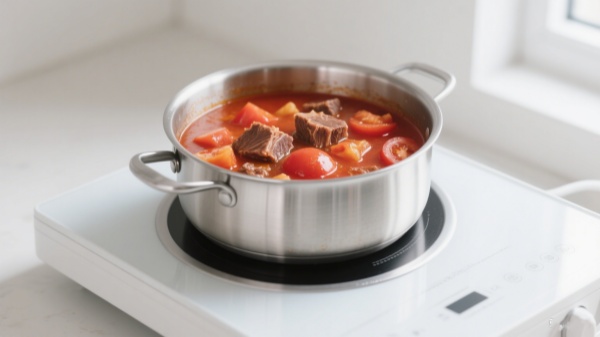
Aluminum is a reactive metal that can undergo chemical changes when exposed to acidic or salty foods. Small amounts of aluminum ions can migrate into food through a process called leaching, which increases with higher temperatures, longer cooking times, and more acidic ingredients.
However, the amount involved is incredibly small – typically measured in micrograms per serving. Research shows that under normal cooking conditions, aluminum migration from cookware represents less than 1% of the average person’s daily aluminum intake. Most aluminum we consume comes from food additives and processed foods.
Debunking the Alzheimer’s Disease Connection
The concern about aluminum cookware and Alzheimer’s disease dates back to the 1960s-70s when researchers found elevated aluminum levels in some Alzheimer’s patients’ brains. This sparked decades of investigation.
Today, the medical consensus is clear: the Alzheimer’s Association, WHO, and leading research institutions all agree there’s no credible scientific evidence linking aluminum cookware use to Alzheimer’s disease. The focus of Alzheimer’s research has shifted to genetics and other environmental factors that show much stronger correlations.
Other Health Concerns
Cancer research has found no evidence linking aluminum cookware to increased cancer risk. The amounts that might migrate from cookware are far below levels that could cause cellular damage. Similarly, neurological effects only occur with extremely high aluminum exposure, thousands of times higher than cookware levels.
The only group needing extra caution is people with severe kidney disease, since aluminum elimination depends on kidney function.
Understanding Different Types of Aluminum Cookware
Raw Aluminum vs. Anodized Aluminum
Raw aluminum is lightweight and conducts heat excellently but is most reactive with acidic foods and can develop pitting over time.
Anodized aluminum undergoes an electrochemical treatment creating a hard, non-reactive oxide layer that dramatically reduces aluminum migration and increases durability. Hard-anodized aluminum takes this further, creating an extremely durable surface nearly as hard as stainless steel.
Coated Aluminum Cookware Options
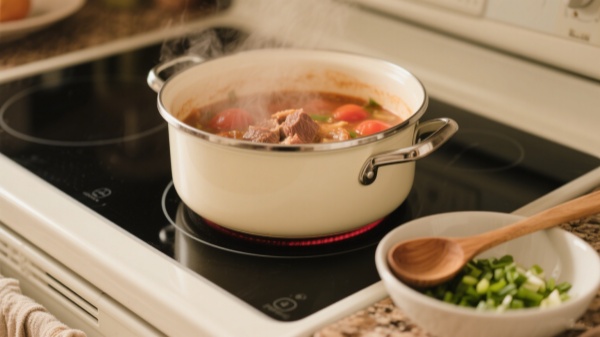
Stainless steel-coated aluminum combines excellent heat distribution with complete protection from aluminum migration. Non-stick coated aluminum prevents direct food contact with aluminum while providing even heating. Die cast aluminum cookware features thicker, more uniform construction for durability and heat distribution.
Safety Ranking: From Safest to Consider Carefully
Based on aluminum migration potential and overall safety:
- Stainless steel-coated aluminum: Highest safety level with zero aluminum contact
- Hard-anodized aluminum: Excellent safety with minimal migration risk
- Non-stick coated aluminum: Safe when coating is intact and properly maintained
- Standard anodized aluminum: Good safety for most cooking applications
- Untreated aluminum: Requires careful use and food selection
Smart Usage Guidelines for Aluminum Cookware
Cooking Scenarios to Approach Carefully (Mainly for Untreated Aluminum)
Higher-risk foods for untreated aluminum include: tomatoes and tomato-based sauces, citrus fruits and juices, vinegar-based marinades, fermented foods like sauerkraut, and wine-based cooking liquids.
Time and temperature matter significantly. Extended contact with acidic foods or very high temperatures for long periods can increase aluminum migration. However, anodized aluminum products and coated aluminum pans can safely handle these scenarios thanks to their protective layers.
Optimal Uses for Aluminum Cookware
Aluminum cookware excels in water-based cooking methods like boiling, steaming, or making soups. Quick cooking methods like stir-frying and sautéing work exceptionally well due to rapid, even heat distribution.
Aluminum vs. Other Cookware Materials
| Material | Safety Level | Heat Distribution | Maintenance |
|---|---|---|---|
| Stainless Steel | Excellent | Poor (unless clad) | Easy |
| Anodized Aluminum | Very Good | Excellent | Moderate |
| Cast Iron | Good | Good | High |
| Copper (lined) | Good | Excellent | High |
For budget-conscious cooks, quality anodized aluminum offers an excellent compromise, providing nearly the safety level of stainless steel while maintaining superior heat distribution at a fraction of the cost.
Special Considerations for Different Groups
Individuals with kidney disease should minimize aluminum exposure from all sources. Pregnant women and parents don’t face special risks when using quality aluminum cookware properly, though some families choose stainless steel as a precautionary measure.
Professional kitchens use aluminum cookware extensively without documented health issues, and health departments generally accept aluminum cookware as safe when properly maintained.
Choosing Quality Aluminum Cookware
Look for cookware meeting FDA standards with substantial thickness, smooth finishes, and clear labeling about aluminum treatment. Reputable cookware manufacturers typically provide detailed information about their processes.
Avoid unusually cheap aluminum cookware, which often involves quality compromises. Purchase from reputable retailers and avoid products with surface irregularities or signs of corrosion.
Maintenance, Care, and Safe Usage Guidelines
How to Clean Aluminum Pans: Complete Cleaning Guide
Daily Cleaning Routine:
- Cool down completely – Avoid thermal shock that can warp metal
- Use warm, soapy water – Mild dish soap handles most cleaning needs
- Gentle scrubbing – Soft sponges only; avoid abrasive pads
- Rinse thoroughly – Remove all soap residue
- Dry immediately – Prevent water spots and oxidation
Deep Cleaning for Stubborn Stains:
- Baking soda paste – Gentle abrasive for burnt-on food
- Bar Keepers Friend – Commercial cleaner excellent for restoring shine
- White vinegar treatment – For water spots (rinse immediately)
Never use: steel wool, harsh chemicals, dishwasher (unless labeled safe), or chlorine bleach.
Extending Cookware Lifespan
Store in dry locations with adequate ventilation. Use pan protectors when stacking. Avoid extreme temperature changes and preheat gradually to prevent warping.
When to Replace Your Aluminum Cookware
Replace immediately if you notice: Flaking coatings, deep pitting or corrosion, severe warping, or any coating peeling into food.
Making Your Final Decision
Deciding whether aluminum pans are right for your kitchen comes down to three questions: What type of cooking do you do most? What’s your health situation? What are your budget and performance priorities?
For most people with normal kidney function, aluminum cookware poses no special risks. If even heat distribution and responsive temperature control matter to you, aluminum-based cookware offers excellent value.
Final recommendation: If you currently own quality aluminum cookware and use it properly, there’s no compelling reason to replace it. If shopping new, anodized aluminum or coated aluminum options provide the best combination of safety, performance, and value for most home kitchens.