Anodized vs Ceramic Cookware — Which Should You Buy?
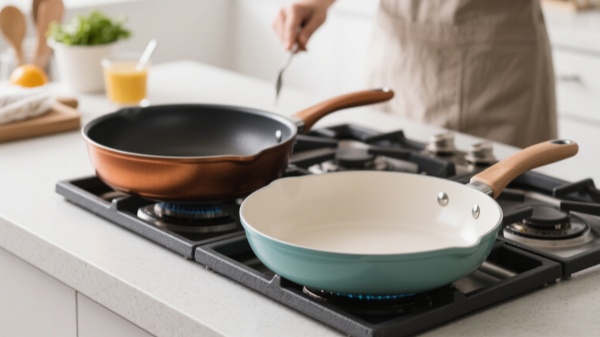
Pick the material that fits how you cook. If you sear and push pans hard, hard-anodized often wins. For low-fat, gentle cooking and easy cleanup, ceramic looks appealing — but it requires gentler handling. Below is a practical, human-first guide that compares the two and helps you choose.
Hard-anodized (anodized aluminum) heats quickly, resists wear, and tolerates higher temperatures — ideal for searing and frequent use. Ceramic-coated pans give easy nonstick release and a PTFE-free alternative, but coatings can degrade faster and are more heat-sensitive. Choose based on cooking style, care willingness, and expected lifespan. (Sources: cookware tests & reviews; safety studies.)
What is Hard-Anodized Cookware?
Hard anodizing is an electrochemical process that thickens and hardens the aluminum surface. The result is a dense, scratch-resistant skin that stays bonded to the metal. In practice that means a pan that heats quickly (aluminum core), responds fast to changes in burner’s heat, and stands up to frequent use better than raw aluminum. Many hard-anodized pans are also finished with an additional nonstick layer — check the product page if you need slick food release. [1]
What is Ceramic-Coated Cookware?
“Ceramic” often describes a silica-based coating applied over an aluminum base (true 100% ceramic pieces are less common). These sol-gel ceramic coatings offer excellent initial release and advertise themselves as PTFE/PFOA-free. They’re popular for low-fat cooking and quick cleanup, but the coating is generally thinner and more vulnerable to chipping and thermal stress than an anodized surface. Expect very good release at first, and then plan for shorter usable life if exposed to heavy heat or metal utensils. [2]
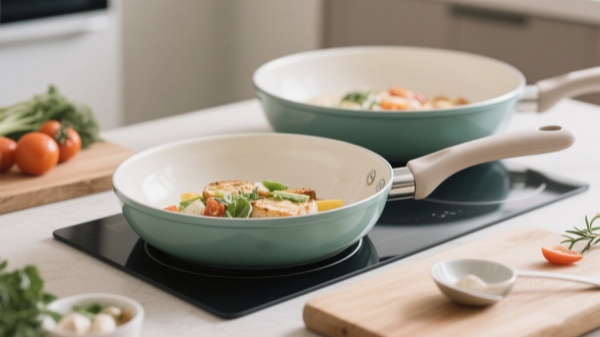
Side-by-Side Comparison
| Property | Hard-Anodized | Ceramic-Coated |
|---|---|---|
| Heat & response | Very fast heating, great temperature response — ideal for searing and browning. | Good heat distribution but slightly slower to respond; best at low-to-medium heat. |
| Durability | Robust surface; resists scratching and warping when well made. | Coatings can chip/scrape over time; lifespan varies a lot by brand and use. |
| Nonstick & release | Depends — many anodized pans have an added nonstick finish that lasts longer. | Excellent out of box; typically loses slickness sooner under harsh use. |
| High heat / oven | Usually tolerant of higher oven temps (check specs). | Many cookware makers limit max temp; avoid prolonged high-heat searing. |
| Typical lifespan | Often longer with heavy use — measured in several years for quality brands. | Ranges widely — 1–3 years common for typical home use unless you’re very careful. |
Note: real-world performance depends on brand, thickness (gauge), and how the pan is used and cleaned.
Safety & Practical Risks
On safety: properly anodized aluminum and reputable ceramic coatings are generally considered safe for everyday cooking. Studies of metal leaching show anodized/finished cookware leaches very little under normal use; nevertheless, avoid using damaged or bare aluminum surfaces with highly acidic foods for prolonged periods. If you’re specifically avoiding PTFE/PFAS, ceramic offerings provide a PTFE-free route — but no coating is indestructible, so manage temps and utensils. [3]
Care & Maintenance — Quick Practical Checklist
Hard-anodized
- Handwash when possible; many are dishwasher-safe but handwashing prolongs finish.
- Use silicone/wood utensils for coated versions; metal can be OK depending on finish — check manufacturer guidance.
- If food sticks, deglaze with a little water and low heat; avoid thermal shock (hot pan → cold water).
Ceramic-coated
- Always avoid high heat; medium or lower keeps coating intact longer.
- Prefer non-abrasive sponges; don’t stack without protection to avoid chipping.
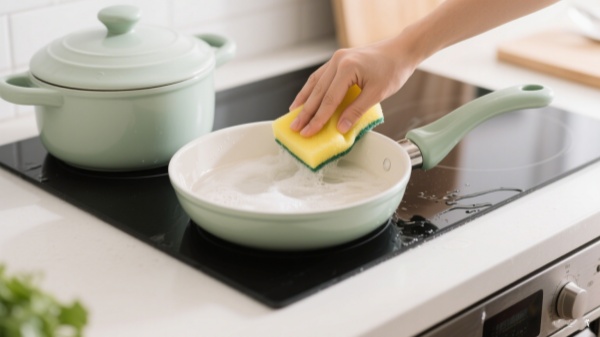
- If coating shows wear or flaking, retire the pan for safety and performance reasons.
Which Should You Buy? Decision Matrix
Here are three common cook profiles and the best fit for each:
- The searer & frequent user: Hard-anodized. You’ll appreciate the heat response, durability, and longer life under heavy use.
- The low-fat / easy-clean lover: Ceramic-coated — if you accept shorter lifespan and gentler use rules.
- B2B / procurement buyer: For restaurants or rental kitchens, prioritize hard-anodized or tri-ply stainless because longevity lowers total cost of ownership. If you buy ceramic for retail resale, select high-quality brands and provide clear care guidance to customers.
Common Myths & Quick Qnswers
Is hard-anodized cookware nonstick?
Short answer: Not inherently — anodizing hardens the metal; many pans also get a nonstick finish.
In practice: check product specs — the label will state if a nonstick layer exists.
Does ceramic cookware lose its nonstick?
Short answer: Yes — ceramic coatings generally lose slickness faster than high-grade PTFE coatings if overheated or scratched.
Use medium heat and gentle tools to extend life.
Which is better for searing?
Short answer: Hard-anodized usually — it tolerates higher heat and responds quickly to temperature changes.
Ceramic will brown but not as well at extreme sear temps.
Is anodized aluminum safe to cook with?
Short answer: Yes — properly anodized or coated aluminum is generally safe; avoid damaged bare aluminum with acidic food.
Studies show leaching is minimal for finished cookware. [4]
Can I use metal utensils on anodized pans?
Short answer: It depends on the finish — some anodized pans are robust enough; check manufacturer guidance.
When in doubt, use silicone or wood to protect the finish.
How long do ceramic pans last?
Short answer: Highly variable — 1–5 years is a typical consumer range depending on quality and care.
Higher-end makes + gentle use push lifespan upward; heavy searing shortens it.
Are ceramic pans safer than PTFE/Teflon pans?
Short answer: Ceramic is PTFE-free, which appeals to some buyers; however, safety depends on coating integrity and cooking temperature.
No coating is indestructible — all need proper use.
Buying Checklist & Spec Sheet — Tied to the Comparison
Make specs a decision tool — don’t just buy on brand or look. The checklist below explains which specs matter more for anodized vs ceramic and why (this ties the shopping details directly to the comparison above):
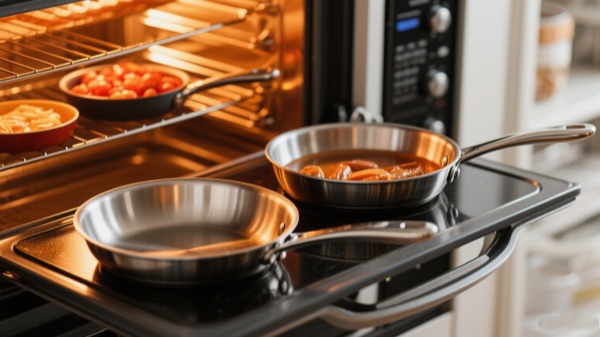
Practical Shopping Picks
If you’re buying for a store or restaurant, run a simple lifetime cost check: purchase price + expected life = effective cost per year. For retail bundles, include clear care instructions to reduce returns and complaints on ceramic items. For restaurants or rental properties, favor hard-anodized or stainless/iron that survive heavy daily cycles.
Final Thoughts
Both cookware types have sensible roles. Hard-anodized is the workhorse: durable, responsive, and better at high heat. Ceramic gives easy release and a PTFE-free option but demands gentler use and will likely need replacing sooner under heavy use. Decide by matching the material to your most common cooking tasks, then follow the care rules above — you’ll get the performance you expect and avoid premature replacement.
Pro tip: If you want the convenience of ceramic with more robustness, look for hybrid constructions (ceramic finish on thicker, well-engineered bases) and read verified tests and warranty terms before you buy.
- PrudentReviews — Hard-Anodized vs Ceramic Cookware (comparison & testing).
- Sur La Table — Hard-Anodized vs Ceramic Nonstick (how they differ & care tips).
- Peer-reviewed study on metal leaching from cookware (PMC).
- Serious Eats — testing findings on ceramic vs PTFE nonstick durability and heat behaviour.

Solamex — Wholesale Pots and Pans Expertise
Solamex offers wholesale pots and pans, combining durable materials, precise craftsmanship, and flexible product customization. From premium stainless steel to advanced nonstick lines, our catalog is built for both retail distribution and demanding commercial kitchens — ensuring consistency in performance and presentation.
Anodized vs. Ceramic Cookware: The Honest Breakdown for 2025
Can Stainless Steel Go in the Dishwasher? The Complete Guide to Safe Cleaning