Aluminum vs Stainless Steel Cookware: Heat, Durability & Safety Compared
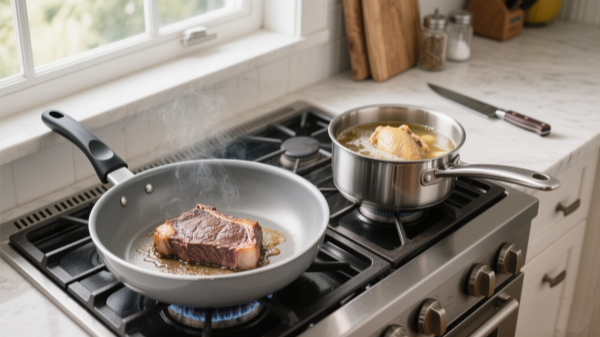
In this in-depth comparison, aluminum cookware emerges as the champion of rapid, even heating (205 W/m·K) and lightweight handling, while stainless steel—especially in multi-ply bonded constructions—offers unmatched durability, scratch resistance, and complete non-reactivity with acidic foods. Aluminum pans are budget-friendly and dishwasher-safe, though bare aluminum may warp or react unless hard-anodized. Stainless steel incurs higher upfront costs but can last decades with proper deglazing and care. Read on as we dissect heat performance, maintenance, safety, cost, aesthetics, and final buying guidance to help you choose the best material for your cooking style and kitchen needs.
II. Heat Conductivity & Cooking Performance
How a pan heats and spreads heat across its surface is crucial to cooking success and efficiency. Rapid, uniform heating prevents hot spots that burn food, while slow heating can leave centers undercooked.
A. Thermal Conductivity Rates
Aluminum boasts an exceptional thermal conductivity of 205 W/m·K, allowing it to heat up rapidly and distribute temperature evenly across the cooking surface. This high conductivity makes aluminum ideal for delicate sauces, stir-fries, and recipes requiring precise temperature control. In contrast, single-layer stainless steel conducts heat at roughly 16 W/m·K, leading to uneven heating and potential burning points unless the pan is multi-ply bonded with an aluminum or copper core to boost conduction.
B. Preheat & Responsiveness
Because of its light weight and high conductivity, aluminum cookware reaches cooking temperature in under a minute on medium-high heat, minimizing downtime between recipes. Conversely, stainless steel must be preheated thoroughly—often 2–3 minutes—before adding oil to create a temporary nonstick effect; once hot, it retains that heat effectively, which benefits techniques like pan-roasting and braising that demand stable temperatures.
III. Durability & Maintenance
Cookware undergoes significant stress from metal utensils, temperature cycling, and cleaning methods. A material’s resistance to scratches, dents, and warping will dictate its lifespan and ease of maintenance.
A. Scratch & Dent Resistance
Stainless steel is renowned for its robustness: a high-quality 5-ply or 3-ply pan resists scratching from metal spatulas and maintains its shape under heavy use . On the other hand, bare aluminum is a softer metal prone to dents and scratches, although hard-anodized aluminum undergoes an electrochemical treatment that hardens the surface to near-stainless steel durability levels.
B. Maintenance Requirements
Most anodized or nonstick aluminum pans are advertised as dishwasher-safe and require minimal seasoning or upkeep, making them perfect for busy home cooks. In contrast, stainless steel calls for immediate deglazing—adding water or wine to a hot pan to loosen stuck-on bits—and uses non-abrasive cleaners like Bar Keeper’s Friend to maintain its polished finish without scratches.
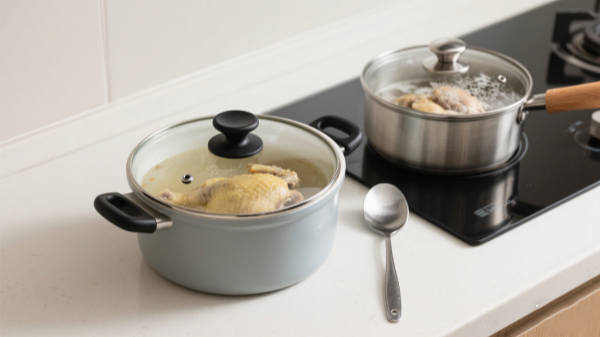
IV. Safety & Reactivity
When cooking acidic foods like tomato sauce or vinegar-based deglazes, the material’s chemical reactivity determines whether metals leach into your food and alter flavors or pose health concerns.
A. Chemical Reactivity
Stainless steel is completely non-reactive, ensuring that acidic or alkaline ingredients neither discolor the pan nor pick up metallic off-flavors. In contrast, untreated aluminum can react with acids and alkalis, leading to a slight metallic taste and potential ingestion of aluminum ions—not ideal for frequent tomato-based sauces.
B. Coatings & Cladding
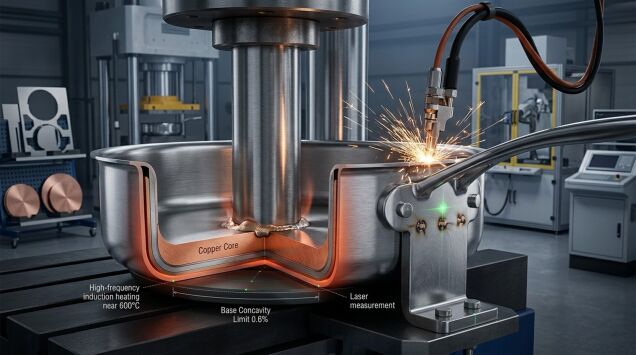
Anodized aluminum features an oxide layer that seals the metal, preventing reactivity and improving scratch resistance—ideal for cooks seeking a non-reactive yet conductive pan. Multi-ply stainless steel cookware sandwiches a conductive aluminum core within a non-reactive stainless exterior, offering the best of both worlds in performance and safety.
V. Cost & Value
Cookware budgets vary widely, from budget-friendly entry sets to premium heirloom-quality collections. Assessing both upfront costs and long-term ROI ensures smart purchasing.
A. Upfront Investment
Aluminum cookware—particularly single-layer or nonstick types—often retails for less than $50 per piece, making it accessible for new cooks or tight budgets. By comparison, stainless steel multi-ply sets can range from $100 to $300 for a 5-piece starter kit, reflecting the complex bonding and premium materials used.
B. Long-Term ROI
While aluminum may warp, scratch, or lose its nonstick coating within a few years—potentially raising lifetime costs—stainless steel can last decades when properly maintained, making its higher initial price more economical over time .
VI. Aesthetics & Usability
The look, feel, and ergonomics of cookware influence everyday use and kitchen enjoyment.
A. Weight & Handling
Aluminum pans weigh roughly one-third of equivalent stainless steel models, reducing wrist strain during long cooking sessions and making them ideal for delicate flipping or tossing. Stainless steel’s heft conveys sturdiness but may require oven mitts for hot handles and more effort when lifting heavy sauces.
B. Visual Appeal
Stainless steel offers a sleek, polished finish that resists staining and looks professional on the stovetop and at the table. Anodized aluminum typically features a matte or brushed finish available in various colors, though coatings may dull over time with heavy use.
VII. Choosing for Your Kitchen
Match each material’s strengths to your personal cooking habits, kitchen setup, and priorities.
A. Quick & Delicate Cooking
If you frequently prepare omelets, crepes, or delicate sauces requiring precise temperature control and a smooth release, opt for anodized aluminum or nonstick aluminum.
B. High-Heat Searing & Durability
For searing steaks, deglazing with wine, or handling acidic soups and sauces, choose multi-ply stainless steel to combine even heating with non-reactivity and long-lasting performance.
C. Budget & Lifestyle
When ease of use and minimal maintenance matter most—such as busy families or novice cooks—aluminum offers unbeatable convenience. For home chefs seeking an investment in cookware that endures for decades, stainless steel delivers unmatched return on investment.
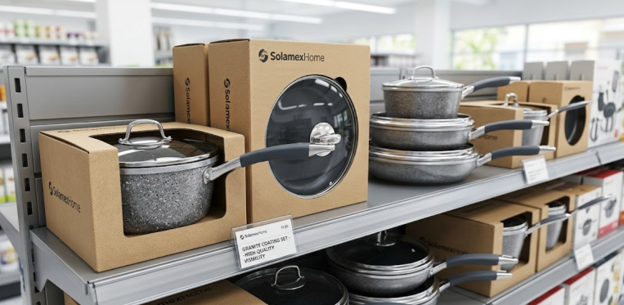
For wholesalers, cost efficiency and product quality are paramount. Solamex boasts a robust production line and rigorous quality management, adhering to standards to ensure consistent excellence. Through comprehensive testing at every stage, we guarantee durable, high-performance cookware at prices significantly lower than competing brands
Whether you need cast aluminum, stainless steel, or non-stick pans and pots in bulk, Solamex offers a full-size assortment tailored to your needs.
VIII. Conclusion
Both aluminum and stainless steel cookware have clear advantages: aluminum excels at rapid heating, lightweight handling, and affordability, while stainless steel shines in durability, non-reactivity, and long-term value. By auditing your cooking style—whether you favor quick sautés or high-heat sears—and evaluating your maintenance tolerance, you can select the material that best elevates your kitchen performance. Thoughtful investment in the right cookware will reward you with consistent results and years of culinary enjoyment.
Cooking with Aluminum Cookware: Expert Tips for Safety, Efficiency & Sustainability
Aluminum vs. Stainless Steel Cookware: Unveiling the Perfect Kitchen Companion