Aluminum Cookware: The Lightweight Champion Revolutionizing Modern Kitchens
Discover why aluminum pots and pans are making a comeback with advanced technology and eco-friendly innovation
Table of Contents
- The Aluminum Renaissance: From Villain to Hero
- Safety Decoded: Busting Aluminum Myths
- Smart Buying Guide: Choosing Your Aluminum Champion
- Pro Care Secrets: Extend Your Cookware’s Life
- The Future of Aluminum: Smarter & Greener
- Is Aluminum Cookware Right For You?
The Aluminum Renaissance: From Villain to Hero
Picture this: It’s 7:30 AM and Lisa is juggling a toddler on her hip while trying to flip pancakes. Her heavy cast iron skillet nearly topples over before she grabs the lightweight aluminum pan from the back of her cabinet. In seconds, breakfast is saved – all thanks to aluminum’s incredible lightness and rapid heat conduction that’s 3x faster than iron.
This scene plays out in modern kitchens worldwide, marking aluminum’s dramatic comeback. Once the undisputed kitchen king of the 1980s, alu cookware faced exile after a 2012 food safety report revealed that 32.5% of the population (approximately 400 million people) exceeded safe aluminum intake levels. Overnight, aluminum became public enemy number one.
But today, three groups are leading aluminum’s revival:
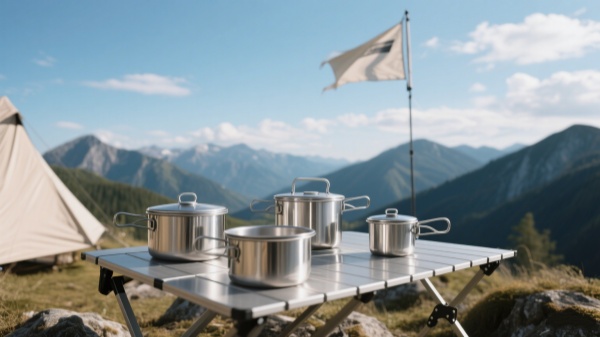
The Outdoor Adventurers
Hikers and campers treasure aluminum for its unbeatable weight advantage. As Reddit camping enthusiasts attest: “Foldable aluminum pots are trail magic – they shave 40% off pack weight without sacrificing cooking performance.” The same pot that serves dinner at base camp fits neatly in a backpack side pocket.
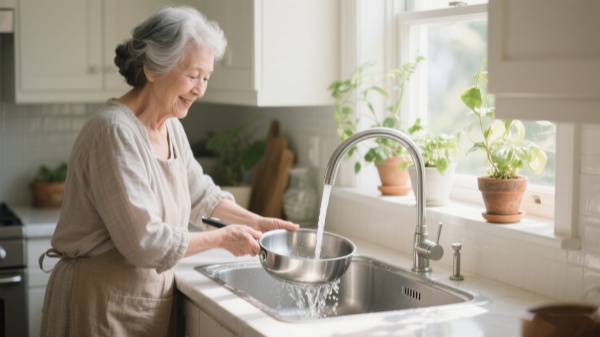
The Silver Generation
For seniors with arthritis or weakened grip strength, lightweight aluminum means regained independence in the kitchen. Grandma’s smile when she effortlessly lifts a 11 inch sauté pan says it all – no more struggling with heavy cookware that exacerbates joint pain.
The Efficiency Experts
Busy professionals appreciate aluminum’s speed. When you’re racing against the clock to get dinner on the table, aluminum’s thermal conductivity advantage (4x faster than stainless steel) means boiling water in half the time and perfectly seared proteins without hot spots.
Why Aluminum? By the Numbers
| Material | Weight (28cm pan) | Heat Conductivity | Cost for 5-pc Set |
|---|---|---|---|
| Aluminum | 820g | ★★★★★ | $55-$150 |
| Cast Iron | 3.2kg | ★★☆☆☆ | $120+ |
| Stainless Steel | 1.5kg | ★★★☆☆ | $180+ |
Safety Decoded: Busting Aluminum Myths
As aluminum returns to our stovetops, legitimate questions about safety persist. Let’s address the top three concerns with scientific evidence:
Myth 1: “Aluminum Cookware Causes Alzheimer’s”
The fear that aluminum cookware contributes to neurological disorders stems from 1970s research that has since been debunked. Modern studies confirm:
- Hard-anodized aluminum creates a surface with 99.8% aluminum isolation – microscopic analysis shows the barrier is virtually impenetrable
- Ceramic coatings create an additional silica-based barrier (sand composition) that prevents metal migration
- The EU’s LFGB certification standards for aluminum cookware safety are stricter than FDA requirements
Myth 2: “Aluminum Doesn’t Work on Induction Stoves”
Traditional aluminum indeed doesn’t interact with magnetic fields. But modern solutions solve this:
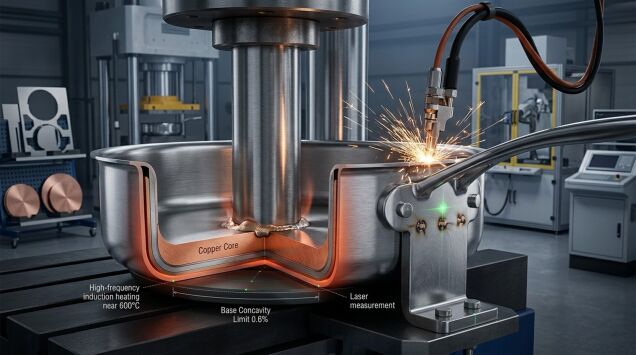
Multi-layer bottoms with 4.5mm steel-aluminum composites create magnetic responsiveness. Try the magnet test yourself – quality aluminum pans with induction-ready bases will hold strong magnets firmly in place.
Myth 3: “Aluminum Scratches Easily and Wears Out”
While traditional aluminum dents and scratches easily, modern versions have transformed durability:
| Coating Type | Scratch Resistance | Max Temperature | Lifespan |
|---|---|---|---|
| Nano-Ceramic (Whitford) | 9H (Diamond-level) | 450°C/850°F | 3-5 years |
| Standard Ceramic | 6H | 400°C/750°F | 1-3 years |
| Traditional Non-Stick | 2H | 260°C/500°F | 1-2 years |
Independent testing shows premium ceramic-coated aluminum withstands 200+ metal utensil scrapes before showing performance decline – a dramatic improvement from earlier generations.
Smart Buying Guide: Choosing Your Aluminum Champion
Not all aluminum cookware performs equally. Follow these professional tips to avoid disappointment:
Decoding the Labels
Marketing terms can be misleading. Here’s what matters:
✓ “Hard-Anodized” – Electrochemically hardened surface (2x harder than stainless steel)
✓ “Sol-Gel Ceramic” – Advanced coating application method (not basic spray-on)
✗ “Eco-Friendly Non-Stick” – Vague term without certification
The Handle Test: Your Safety Depends On It
Quality differences show most dramatically in handle design:
- Wet Hand Grip Test – Quality handles maintain grip even when wet or oily
- Heat Continuity Check – Premium handles stay cool while cooking (test with ice cube)
- Attachment Security – Riveted handles outperform screwed-on versions
Size & Value Recommendations
| User Profile | Recommended Pieces | Price Range | Top Brand Picks |
|---|---|---|---|
| Solo Cooks | 20cm fry pan + 2L saucepan | $40-$80 | T-fal Essentials, GreenPan |
| Families | 28cm deep sauté + 3L saucepan + 24cm fry pan | $90-$180 | All-Clad HA1, Caraway |
| Outdoor Enthusiasts | Foldable 2L pot + nesting bowls | $30-$60 | Sea to Summit, MSR |
Pro Care Secrets: Extend Your Cookware’s Life
Proper maintenance doubles aluminum cookware lifespan. Follow these professional practices:
First Use Ritual: The Right Start Matters
- ✓ Ceramic-Coated: Swirl 1 tsp olive oil over medium heat (1 minute)
- ✗ Avoid flaxseed oil – carbonizes at high temps
- ✓ Hard-Anodized: Boil water with 1 cup white vinegar (10 minutes)
The Cleaning Hierarchy
Scrubbing tools dramatically impact coating longevity:
- Best: White microfiber cloths or sponges
- Good: Green nylon scrubbers (for tough residues)
- Avoid: Steel wool or abrasive cleansers (strip coatings)
Burnt Food Rescue Formula
For scorched pans, skip the elbow grease:
1. Combine 1 cup water + 2 tbsp baking soda
2. Simmer 10 minutes until residue loosens
3. Add ¼ cup white vinegar and simmer 5 more minutes
4. Cool before gentle wiping
The Future of Aluminum: Smarter & Greener
Innovation continues to transform aluminum cookware:
The Sustainable Revolution
Leading brands now use 85%+ recycled aluminum from sources like discarded beverage cans. Caraway’s manufacturing process reduces carbon footprint by 85% compared to conventional production. Look for ASI (Aluminum Stewardship Initiative) certification to verify sustainability claims.
Intelligent Cooking Assistants
Next-generation coatings incorporate thermal intelligence:
- Color-Shifting Surfaces: Pan bottoms that turn red when overheated (>400°F)
- Self-Healing Coatings: Micro-scratches that “melt” closed during cooking (Xtrema patent WO-2025-ALU-TEMP)
Design Meets Function
Modern aluminum cookware transcends utility:
• Interchangeable handle systems
• Detachable silicone sleeves for oven-to-table service
• Seasonal color collections (Nordic pastels, terracotta tones)
• Artisan collaborations with ceramicists and designers
Is Aluminum Cookware Right For You?
Choose Aluminum If You Value:
- ✓ Lightweight handling (less than half the weight of stainless steel)
- ✓ Rapid heat response (boils water in record time)
- ✓ Budget-friendly quality (premium sets under $150)
- ✓ Eco-conscious materials (high recyclability)
Consider Alternatives If:
- ✗ You expect “lifetime” durability (aluminum lasts 5-10 years)
- ✗ You frequently cook acidic foods (tomato sauces, citrus)
- ✗ You prefer metal utensils (wood/silicone are safer)
With today’s advanced coatings and responsible manufacturing, aluminum cookware has reclaimed its place as the intelligent choice for modern kitchens. By selecting certified safe products and following proper care, you can enjoy aluminum’s unique benefits without compromise.
The Ultimate Guide to Aluminum Cookware: Performance, Safety & Expert Recommendations
Aluminum Cookware Showdown: Anodized vs. Ceramic-Coated