Are Aluminum Pans Safe? What Science, Regulators and Chefs Say
Are Aluminum Pans Safe? What Science, Regulators and Chefs SayAre Aluminum Pans Safe?
People ask this because aluminum is everywhere — foil, foil-lined pans, even older cookware. The short reality: the metal itself is not a household-level poison in ordinary cooking. Problems show up when cookware is bare and damaged, or when products contain contaminating metals (lead, cadmium) from poor manufacturing. Below I summarize what research and regulators say, walk through the types of aluminum cookware, give a practical cleaning & care protocol, explain how pan size can matter, and show how aluminum stacks up against other materials in typical cooking scenarios.
Why People Worry: Quick History and Common Concerns
Concerns come from a few places: 1) older studies that raised questions about aluminum exposure and brain disease (largely resolved now); 2) household watchfulness about metal in food; and 3) occasional recalls or test reports showing contaminated or poorly made pots containing lead or other hazards. Regulators and recent reviews emphasize that routine use of modern cookware is low risk — but exceptions exist (below).
What The Science & Regulators Say
Major food-safety bodies (EFSA, WHO/JECFA) assessed dietary aluminium exposures and set tolerable intake guidance that frames the risk picture. EFSA’s work, for example, led to a recommended Tolerable Weekly Intake (TWI) to keep overall exposure low; typical cooking with anodized or properly coated pans rarely pushes an average diet past those limits.
Key evidence points: research shows acidic foods (think tomato sauces, vinegar-based stews) and long contact times increase metal leaching from cookware; age and damage to the cookware also raise leaching. That means cooking style and pan condition matter more than the mere presence of aluminum.
Types of Aluminum Pans — Which Are Safer
Not all aluminum pans are the same. The surface finish and manufacturing matter:
| Type | Reaction to acidic foods | Durability / notes | Best uses |
|---|---|---|---|
| Bare / uncoated aluminum | Reactive — higher leaching risk with acid or long contact | Lightweight but scratches easily | Quick sautéing (if new), otherwise avoid for long acidic cooking |
| Hard-anodized aluminum | Non-reactive surface after anodizing | Very durable, good heat conduction | Everyday frying and sautéing — widely recommended |
| Enameled / aluminized steel | Non-reactive if enamel intact | Good for acid; enamel can chip if abused | Tomato sauces, long simmering |
| Aluminum with nonstick (PTFE) coating | PTFE stable at normal temps; avoid overheating | Easy to clean; coating may scratch over time | Low-fat frying, eggs, delicate foods |
| Ceramic-coated aluminum | Non-reactive while coating intact | Varied quality — watch for early wear | Low-to-medium heat cooking |
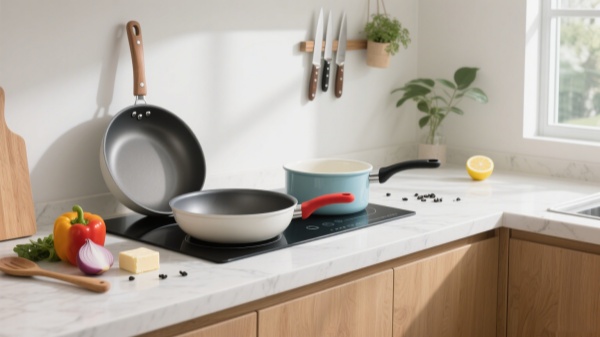
Practical takeaway: hard-anodized and enamelled surfaces reduce leaching and are the safest aluminum-based choices for routine kitchen use.
How to Clean & Care for Aluminum Pans
Why this matters: cleaning and maintenance preserve coatings and slow oxidation; careless scrubbing or long acid soaks increase the chance of metal release. Below is a concise, practical routine — follow it in order.
Daily cleaning — simple and safe
- Right after cooking: let the pan cool a little, then rinse to remove loose food bits.
- Wash: warm water + a drop of mild dish soap; use a soft sponge or a nylon brush. Hand-wash is recommended to prolong coatings and reduce discoloration.
- Dry: wipe or towel-dry promptly to avoid water spots and surface oxidation.
Hand-washing is preferred for most anodized or coated aluminum pans because dishwasher detergents and high heat can accelerate wear on some finishes.
Removing stains or light oxidation
For mild discoloration or dulling try this: make a paste of baking soda + water, apply, let sit 10–15 minutes, then rub gently with a soft sponge and rinse. Baking soda is mildly abrasive but safe when used gently — it lifts oxidation and stains without chewing the metal. Martha Stewart and other household guides recommend this as a first step.
Tackling stubborn food or burnt spots
Fill the pan with hot water and a teaspoon of dish soap and let it soak 20–40 minutes. Use a wooden or plastic scraper to loosen residue. Avoid metal scrapers and steel wool — they scratch both bare and coated surfaces and make future leaching more likely. For small burned areas, repeated short soaks + gentle scraping is safer than forceful abrasives.
Vinegar & acid cleaners — use with care
Short vinegar soaks can remove mineral deposits or stubborn stains, but do not soak bare aluminum in acid for long periods. On enamelled or anodized surfaces an occasional brief vinegar rinse followed by thorough washing is usually harmless; on bare aluminum it can increase metal release if left too long. When in doubt, use the baking soda method first.
When to stop using a pan
Replace or stop using a pan for food contact if:
- coating peels or flakes; or
- there are deep, widespread scratches or warping; or
- a pan shows signs of contamination or odd odors after cleaning.
For food-safety critical uses — infant food, medicines, or prolonged storage of acidic liquids — prefer stainless or enamel.
Does Frying Pan Sizes Affect Safety or Leaching?
Short answer: frying pan size alone is not the primary driver. More important are the surface-to-volume ratio of the food in contact with the metal, the pan’s thickness, how hot you cook, and how long the food and pan stay together.
Practical scenarios where size matters:
- Small pan, small quantity: a small pot with a little tomato sauce has a relatively high surface-to-food ratio — that can raise the measured concentration of any leached metal per portion compared with a larger pot.
- Large pan for long simmering: people often use large pots for long, slow stews; if the pot is bare aluminum or the coating is poor, the prolonged contact increases total transfer into the dish.
- Thin, wide pans: these can overheat locally, stressing coatings; use thicker or clad cookware for sustained high heat frying.
Practical rule: use the correct pan size for the job and match material to use — anodized aluminum is great for quick sautéing/frying; for long acidic simmering prefer enamel or stainless steel.
Aluminum vs Other Pan Materials — Safety & Scene-based Recommendations
Stainless steel
Stable with acidic foods, durable, and non-reactive. Prefer for long simmering, sauces, and when you want a pan that resists abrasion. If you need better heat distribution, pick stainless with an aluminum or copper core.
Hard-anodized aluminum
Offers excellent heat conduction and a much less reactive surface than bare aluminum because the anodizing creates a hard oxide layer. It’s a top pick for everyday frying and sautéing.
Cast iron & enameled cast iron
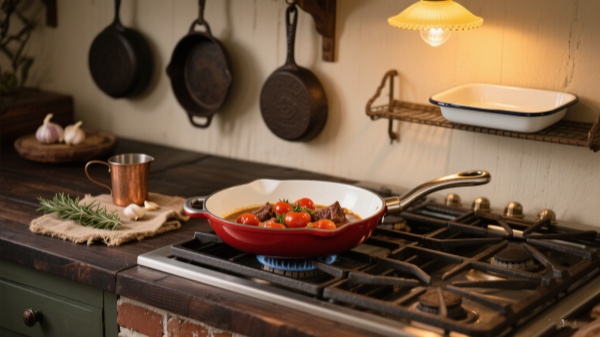
Great for steady heat and long braises. Enameled cast iron combines stability for acidic foods with the heat retention of cast iron; plain cast iron can leach iron (which for most people is not harmful and can be nutritionally relevant), while enamel protects from that.
Nonstick (PTFE) over aluminum
Excellent for low-to-medium heat tasks (eggs, pancakes). Follow manufacturer temperature limits to avoid overheating; do not use metal utensils on scratched surfaces.
Bottom line: for most home cooks, modern hard-anodized or properly coated aluminum is safe and efficient. Reserve stainless or enameled cookware for long acidic cooking or when you need the extra chemical stability.
Buying Checklist & What to Avoid (Quick Reference)
- Look for “hard-anodized”, “enameled”, or manufacturer testing claims on the label.
- Avoid unlabeled, extremely cheap imports without traceable brand or safety documents.
- For retailers/buyers: request third-party metal-release test reports and coating adhesion/aging tests before large cookware purchases. The FDA has recently warned retailers about imported cookware that may leach lead — distributors are responsible for ensuring safety.
Short Q&A
Simple Buying Table for Quick Decisions
| Need | Material to choose | Notes |
|---|---|---|
| Everyday frying & saute | Hard-anodized aluminum | Light, fast, safe for most daily use |
| Long acidic simmer (tomato/ vinegar) | Stainless steel / enameled | Stable for long contact with acid |
| Nonstick for eggs | PTFE over aluminum | Use low-to-medium heat; replace when scratched |
| Slow braises / oven braising | Cast iron or enameled cast iron | Excellent heat retention; enamel prevents reactivity |
Sources & Further Reading
- European Food Safety Authority (EFSA) re-evaluation on aluminium in food and TWI.
- WHO / JECFA briefing on aluminium and dietary exposure.
- Peer-reviewed research summarizing cookware leaching factors (acidic foods, time, age).
- FDA letters & warnings to retailers about imported cookware that may leach lead — buyers should verify test reports.
- Home-care cleaning guides (baking soda, short vinegar soaks, avoid steel wool).
Bottom Line — a Short Wrap
For most kitchens, modern hard-anodized or well-coated aluminum pans are a sensible, safe and efficient choice. The real safety levers are: the pan’s finish (anodized/enameled/coated), its condition (no flaking or deep scratches), how you cook (short vs. long acidic contact), and whether the supplier provides test documentation for large purchases. When in doubt for long acidic cooking, choose stainless or enameled cookware.
EU Regulation (EU) 2024/3190 — What Cookware & Drinkware Manufacturers Must Do
Complete Guide to Frying Pan Sizes: Choose the Perfect Pan for Your Kitchen