Caraway Cookware Safety Deep Dive: Materials, Coatings & Health Considerations
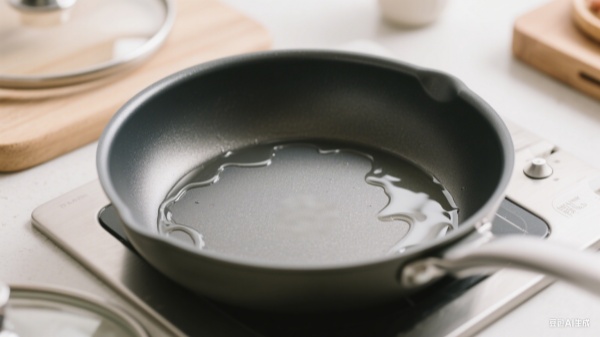
A comprehensive analysis of Caraway’s safety claims and practical performance for health-conscious consumers
Introduction
In modern kitchens, cookware safety has become a primary concern for consumers. As awareness of healthy lifestyles grows, concerns about potentially harmful chemicals in traditional non-stick coatings have gained widespread attention. Against this backdrop, Caraway cookware entered the market with its “non-toxic” and “safe” claims, promoting ceramic non-stick coatings free from PFOA, PFAS, lead, cadmium, and other harmful substances.
Consumers still ask: “Is Caraway cookware truly safe?”, “What exactly are its materials made of?”, and “What safety advantages does it offer compared to traditional cookware?” This article provides an in-depth examination of Caraway’s material composition, safety performance, and usage considerations, offering comprehensive and objective information to support informed purchasing decisions. We’ll also introduce Solamex cookware’s safety commitments for professional buyers seeking high-quality alternatives.
Detailed Analysis of Caraway’s Material Composition
To thoroughly evaluate Caraway cookware’s safety, we must first understand its material architecture. Caraway combines functionality with aesthetics through strategic material selection.
Caraway utilizes an aluminum core encapsulated in stainless steel or specially treated cast aluminum. This multilayer design leverages aluminum’s superior heat conductivity while the stainless steel exterior provides structural integrity and corrosion resistance.
The aluminum undergoes strict screening to eliminate impurities, while the food-grade stainless steel exterior meets safety standards. This combination optimizes cooking performance while minimizing potential food contact with harmful substances.
Caraway’s defining feature is its mineral-based ceramic coating. Unlike traditional PTFE coatings, this inorganic formulation (typically silica and alumina) is fused through high-temperature sintering to create a hard, smooth surface.
The coating’s chemical stability prevents decomposition or toxic fume release at normal cooking temperatures—a critical advantage over PTFE. It contains no PFOA, PFAS, lead, or cadmium. However, ceramic coatings are more brittle than traditional options, making them susceptible to chipping from impact, scratches, or thermal shock.
Caraway’s handles feature stainless steel or alloy cores with silicone or heat-resistant coatings for grip and burn protection. The ergonomic design balances comfort with safety during handling.
Riveted or welded connections ensure handles remain securely attached during use. The length and angle are engineered to provide adequate maneuvering space while minimizing burn risks. These design considerations reflect Caraway’s attention to practical safety beyond material composition.
Safety Performance Analysis
Beyond materials, Caraway’s real-world safety performance requires careful evaluation across multiple dimensions.
Chemical Safety: The Non-Toxic Promise
Caraway’s primary safety claim centers on non-toxicity:
- The ceramic coating’s chemical inertness prevents reactions with food, even at high temperatures
- Absence of PFOA/PFAS eliminates risks associated with these endocrine-disrupting compounds
- Third-party testing confirms no detectable lead or cadmium leaching
Advantages
- Zero toxic fume release below 450°F (232°C)
- No chemical leaching during acidic food cooking
- Third-party certifications validate safety claims
Limitations
- Damaged coatings may expose aluminum base material
- Long-term degradation under high-heat cycling
- No independent studies beyond manufacturer testing
Thermal Safety: Heat Management
Caraway’s thermal specifications include:
- Maximum temperature tolerance: 450°F (232°C)
- Handles stay cool below 350°F (177°C) for approximately 10 minutes
- Vulnerability to thermal shock (sudden temperature changes causing cracking)
Physical Safety: Structural Integrity
Key structural considerations:
- Multi-layer construction provides stability and even heating
- Secure handle attachments withstand standard use forces
- Ceramic coating fragility requires careful utensil selection
Critical Usage Guidelines
Maximize safety and longevity with these practices:
Temperature Management
- Never exceed 450°F (232°C)
- Preheat gradually on medium heat
- Avoid broiler use or open-flame cooking
Utensil Selection
- Use only wood, silicone, or plastic utensils
- Avoid metal utensils and abrasive scrubbers
- Never cut food inside the cookware
Cleaning & Maintenance
- Hand wash with mild detergent and soft sponges
- Never soak for extended periods
- Dry immediately after washing
Storage Solutions
- Use protective pan separators or cloth liners
- Hang using Caraway’s magnetic storage system
- Never stack other heavy items on top
Safety Comparison with Traditional Cookware
*PTFE-based coatings begin decomposing at 428°F (220°C), releasing toxic compounds
Solamex: Professional-Grade Safety Solutions
For commercial buyers prioritizing safety and compliance, Solamex offers certified alternatives:
Material Safety
NSF-certified 304/316 stainless steel and independently tested non-stick coatings meeting FDA/EU food-contact standards
Commercial Durability
Reinforced construction withstands high-volume kitchen use without coating degradation or material fatigue
Compliance Assurance
Complete documentation of material composition and safety certifications for regulatory compliance
Custom Solutions
Tailored designs for specific culinary applications with safety-optimized material selection
Conclusions & Recommendations
Caraway delivers significant chemical safety advantages with its ceramic coating, eliminating toxic fume risks below 450°F and chemical leaching concerns. However, its physical durability requires careful handling to prevent coating damage.
For health-focused home cooks willing to maintain gentle usage practices, Caraway provides a safer alternative to traditional non-stick options. Commercial kitchens should consider Solamex’s NSF-certified solutions for heavy-duty safety compliance.
Regardless of choice: 1) Always follow manufacturer temperature guidelines; 2) Use appropriate utensils; 3) Immediately replace damaged cookware; 4) Verify safety certifications match regional standards.
Frequently Asked Questions
Caraway cookware uses a ceramic non-stick coating free from PTFE, PFOA, PFAS, lead, and cadmium. Independent testing confirms it releases no toxic fumes below 450°F (232°C). However, its ceramic coating requires gentle care to prevent chipping that could expose the aluminum base.
Caraway uses a layered structure: 1) An aluminum core (recycled, in some models) for heat distribution; 2) A stainless steel or treated cast aluminum exterior for durability; 3) A mineral-based ceramic coating (silica, alumina) for non-stick performance.
Unlike PTFE-based non-stick (e.g., Teflon), Caraway’s ceramic coating won’t release toxic fumes when overheated. However, traditional coatings may be more scratch-resistant. Stainless steel offers superior durability but lacks non-stick properties, while cast iron provides better heat retention but requires seasoning.
1) Avoid temperatures above 450°F (232°C); 2) Use only wood, silicone, or plastic utensils; 3) Hand-wash with non-abrasive cleaners; 4) Avoid thermal shock (don’t plunge hot pan into cold water); 5) Store carefully to prevent coating scratches.
Solamex provides NSF-certified commercial cookware with options: 1) 304/316 stainless steel for chemical inertness; 2) Rigorously tested non-stick coatings (ceramic or traditional); 3) Cast iron with safety-optimized designs. All materials comply with global food-safety standards (FDA, EU) and include commercial-grade durability
How Big Is a 6 Quart Pot? Sizing vs 2QT & 4QT + Real Kitchen Uses
Caraway Cookware: The Value and Considerations Behind the Price