Are Aluminum Pans Safe? The 2025 Complete Guide (Expert Insights & Buyer’s Guide)
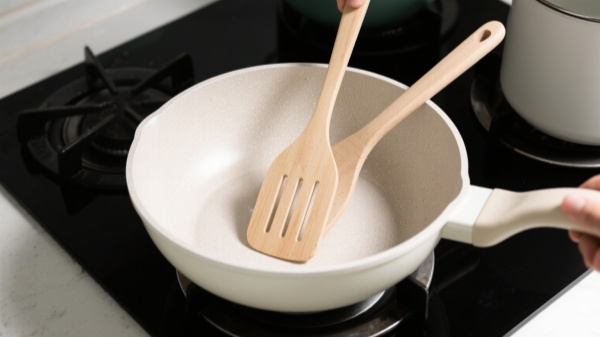
The Quick Answer You’re Looking For
Here’s what decades of research tells us: Modern aluminum cookware, particularly anodized varieties, is safe for everyday cooking when used properly. The long-standing fear about aluminum causing Alzheimer’s? It’s been thoroughly investigated and debunked by mainstream science according to the Alzheimer’s Association and Alzheimer’s Society UK.
- Not all aluminum is created equal: Anodized aluminum is fundamentally different from regular aluminum—think of it as aluminum with armor
- The Alzheimer’s connection is a myth: No major health organization currently supports a causal link between aluminum cookware and dementia
- Usage matters more than material: Even regular aluminum is safe if you avoid marathon cooking sessions with tomato sauce or lemon-heavy recipes
- The numbers don’t lie: Aluminum pans contribute only 1-2 milligrams of your daily aluminum intake—far less than what you get from a single antacid tablet
Look, I get it. You’ve probably landed here because someone at a dinner party mentioned that aluminum pans might be slowly poisoning your family, or maybe you noticed your grandmother’s vintage aluminum pot looking a bit worse for wear and wondered if it’s time for retirement. These concerns aren’t irrational—they stem from real questions about what happens when metal meets heat meets food.
The truth, as usual, lives somewhere between the extremes of “perfectly safe” and “toxic nightmare.” And that’s exactly what we’re going to untangle today, using actual science rather than kitchen mythology.
Addressing the Elephant in the Kitchen: Aluminum and Alzheimer’s
Let’s tackle the biggest fear head-on, shall we? The aluminum-Alzheimer’s connection has haunted kitchens since the 1960s, becoming the cookware equivalent of an urban legend that just won’t die.
The story begins in 1965 when researchers injected aluminum compounds directly into rabbit brains and observed tangled proteins that looked similar to those found in Alzheimer’s patients (Lidsky, 2014). Scary stuff, right? But here’s what happened next: decades of follow-up research revealed that those rabbit brain tangles were actually very different from human Alzheimer’s tangles—biologically speaking, they weren’t even close cousins.
Think about it this way: injecting massive doses of anything directly into brain tissue is vastly different from using a frying pan to scramble eggs. Current research consistently finds no convincing evidence linking aluminum exposure from cookware to Alzheimer’s disease. The World Health Organization even states that adults can safely consume more than 50 milligrams of aluminum daily—that’s 25 times what you’d get from cooking with aluminum pans.
But why do some Alzheimer’s patients have higher aluminum levels in their brains? Scientists now believe this is a consequence, not a cause—damaged brain barriers in Alzheimer’s patients allow aluminum to enter and accumulate, similar to how a broken window lets in rain. The aluminum didn’t break the window; it just got in because the window was already broken.
Understanding Your Options: A Tale of Three Aluminums
Not all aluminum cookware is stamped from the same mold.
1. Raw/Traditional Aluminum: The Budget-Friendly Workhorse
This is your basic, no-frills aluminum—the kind your grandparents probably used. Raw aluminum can react with acidic or alkaline foods, potentially leaching small amounts of the metal into your meal. Picture this: you’re making your famous Sunday gravy, letting it simmer for hours. Research shows that when acidic foods like tomato sauce cook for extended periods in untreated aluminum, metal levels can exceed recommended limits (EFSA, 2008).
Does this mean you should toss Grandma’s pot? Not necessarily. For quick stir-fries, boiling pasta water, or frying eggs, raw aluminum performs beautifully. It’s those long, slow, acidic cooking marathons where problems arise.
2. Anodized Aluminum: The Modern Marvel
Here’s where science gets interesting. Anodization creates a stable, inert layer of aluminum oxide through an electrochemical process—essentially giving the pan a protective force field. This surface is non-reactive, meaning you can simmer that tomato sauce all day without worry about metallic flavors or aluminum migration.
Professional chefs often reach for anodized aluminum because it combines aluminum’s legendary heat conductivity with the durability of much heavier materials. It’s highly resistant to scratching and corrosion, making it a kitchen warrior that can handle daily abuse. Think of it as aluminum that went to the gym and came back wearing armor.
3. Non-stick Coated Aluminum: The Convenience King
These pans use aluminum (die cast aluminum is better) for its heat properties but coat the cooking surface with non-stick materials like PTFE (Teflon). The safety conversation here shifts from aluminum to the coating itself. Modern non-stick coatings no longer contain PFOA, which was banned in the US and EU. However, the coating can still release fumes if overheated (typically above 500°F/260°C).
The aluminum underneath? It’s essentially sealed away from your food—unless you scratch through the coating, which brings us to our next point.
| Type | Best For | Avoid | Durability | Price Range |
|---|---|---|---|---|
| Raw Aluminum | Quick cooking, boiling water, neutral foods | Long-simmered acidic dishes | Moderate (dents easily) | $ |
| Anodized Aluminum | All cooking methods, including acidic foods | Metal utensils (use with care) | Excellent | $$$ |
| Non-stick Coated | Low-fat cooking, delicate foods | High heat, metal utensils | Good (coating dependent) | $$ |
The Balanced Perspective: Weighing Benefits Against Concerns
Every material choice in the kitchen involves trade-offs. Cast iron can leach iron (usually beneficial), copper requires careful maintenance, and even stainless steel contains nickel that some people are allergic to. Aluminum is no different—it brings both advantages and considerations to the table.
The Advantages
- Heat distribution champion: Heats up faster than your morning coffee disappears
- Lightweight design: Your wrists will thank you during those ambitious cooking sessions
- Budget-friendly: Quality aluminum costs less than comparable stainless steel
- Energy efficient: Quick heating means lower gas bills
- Induction compatible: Most aluminum can work on induction cooktops
The Considerations
- Reactivity (raw only): That metallic taste in your tomato sauce isn’t imagination
- Durability varies: Thin aluminum can warp under high heat
- Maintenance needs: Some types require special care
Real-World Safety Guidelines (Or: How to Not Overthink Your Cookware)
After wading through the science, let’s get practical. How should you actually use aluminum cookware in your daily cooking routine?
Smart Usage Tips
When to retire a pan: Deep scratches exposing bright metal in anodized cookware, visible pitting in raw aluminum, or peeling non-stick coating all signal it’s time for a replacement. Don’t be sentimental about damaged cookware—your health is worth more than nostalgia.
Your Burning Questions Answered (The Stuff Everyone Asks)
Frequently Asked Questions
Making Your Decision: A Practical Shopping Guide
Standing in the cookware aisle shouldn’t feel like defusing a bomb. Here’s your decision tree:
Choose raw aluminum if: You’re on a tight budget, primarily do quick cooking, and don’t mind being selective about recipes. Perfect for college students or occasional cooks.
Choose anodized aluminum if: You want aluminum’s performance without the reactivity concerns. The anodized surface resists corrosion and won’t react with any foods, making it ideal for serious home cooks. Yes, it costs more, but consider it an investment in versatility.
Choose non-stick coated aluminum if: Low-fat cooking is your priority and you’re disciplined about temperature control and utensil choice. Great for eggs, pancakes, and delicate fish.
When shopping, look for NSF certification labels and reputable brands that clearly state their manufacturing process. Quality cookware manufacturers will explicitly mention compliance with FDA food-contact regulations. Thickness matters too—heavier pans distribute heat better and resist warping.
The Bottom Line: Cook with Confidence
Here’s what all this research boils down to: aluminum cookware, when chosen and used appropriately, poses no significant health risk to the average person. The amounts that might transfer to food are minimal and efficiently processed by healthy bodies.
The Alzheimer’s connection? A thoroughly debunked myth that belongs in the same category as “swallowed gum stays in your stomach for seven years.” The cause of Alzheimer’s disease and any association with aluminum remains unproven after decades of research.
If you’re still concerned, modern anodized aluminum eliminates even theoretical risks while delivering excellent cooking performance. But honestly? You’re probably getting more aluminum from your morning antacid than from a lifetime of cooking with aluminum pans.
Stop worrying about your pans and start worrying about what you’re cooking in them. A diet rich in vegetables, lean proteins, and whole grains will do infinitely more for your health than swapping out perfectly good cookware based on outdated fears.
Remember: good cooking isn’t about perfect equipment—it’s about understanding your tools and using them wisely. Now go make something delicious.
References and Further Reading
- Alzheimer’s Association. (2024). “Myths About Alzheimer’s Disease.” Available at: //www.alz.org/alzheimers-dementia/what-is-alzheimers/myths
- Alzheimer’s Society UK. (2024). “Metals and the Risk of Dementia.” Available at: //www.alzheimers.org.uk/about-dementia/managing-the-risk-of-dementia/metals
- Lidsky, T. I. (2014). “Is the Aluminum Hypothesis Dead?” Journal of Occupational and Environmental Medicine, 56(5 Suppl), S73–S79. Available at: PMC4131942
- World Health Organization (WHO). (2011). “Aluminum – JECFA Evaluation.” Joint FAO/WHO Expert Committee on Food Additives. Available at: WHO JECFA Database
- European Food Safety Authority (EFSA). (2008). “Safety of aluminium from dietary intake.” EFSA Journal, 6(7):754. Available at: //www.efsa.europa.eu/en/efsajournal/pub/754
- Health Canada. (2023). “The Safe Use of Cookware.” Government of Canada. Available at: //www.canada.ca/en/health-canada/services/household-products/safe-use-cookware.html
- Canadian Centre for Occupational Health and Safety (CCOHS). (2024). “Alzheimer’s Disease and Aluminum Exposure.” Available at: //www.ccohs.ca/oshanswers/diseases/alzheime.html
- Agency for Toxic Substances and Disease Registry (ATSDR). (2008). “Toxicological Profile for Aluminum.” U.S. Department of Health and Human Services. Available at: //www.atsdr.cdc.gov/toxprofiles/tp22.pdf
- U.S. Food and Drug Administration (FDA). (2024). “CFR – Code of Federal Regulations Title 21.” Available at: FDA CFR Title 21
- Exley, C. (2013). “Human exposure to aluminium.” Environmental Science: Processes & Impacts, 15(10), 1807-1816.
Note: This article synthesizes information from peer-reviewed scientific literature, government health agencies, and recognized medical organizations. For personalized medical advice, please consult with a qualified healthcare professional.
Medical Disclaimer: This article provides general information based on current research and should not replace professional medical advice. If you have specific health concerns or conditions affecting aluminum processing (such as kidney disease), consult your healthcare provider about appropriate cookware choices.
How to Clean Aluminum Pans: Everyday Care, Deep-Clean Methods & What to Avoid
Are Aluminum Pans Safe? The Complete Guide to Aluminum Cookware Safety in 2025