Best Die Cast Aluminum Cookware in 2025: Features, Upkeep & Brand Picks
Quick Answer: Die cast aluminum cookware is produced by injecting molten aluminum into precision steel molds, resulting in pans that deliver rapid, even heating, durable non-stick surfaces, and a lightweight yet robust build. It’s perfect for home cooks seeking professional-grade performance without the weight of cast iron or the hot spots of stamped aluminum.
What Is Die Cast Aluminum Cookware?
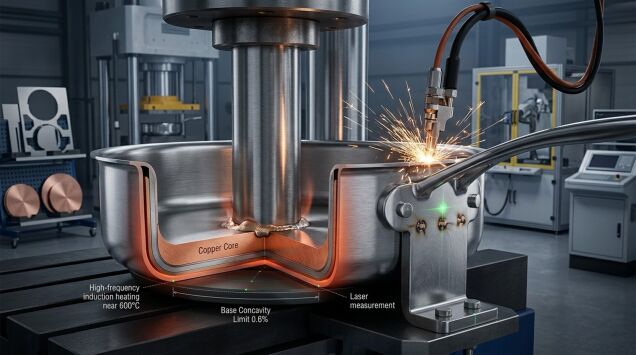
Die cast aluminum cookware starts with molten aluminum alloy being injected under high pressure into steel molds. Once cooled and ejected, each piece emerges with perfectly uniform walls and bases. Common alloys include:
- 380 Aluminum – Excellent corrosion resistance and machinability
- 383 Aluminum – Higher strength for professional-grade pans
Finishes range from bare aluminum (for seasoning) to hard-anodized (for scratch resistance) and PFOA-free non-stick coatings. The result is a pan that’s both aesthetic and functional.
How Does It Perform in the Kitchen?
Heat Distribution & Retention
- Rapid, even heating across the entire cooking surface
- Maintains temperature with minimal fluctuation, ideal for searing
Durability & Weight
- Thicker walls resist warping under high heat
- Lighter than cast iron yet nearly as sturdy—perfect for everyday use
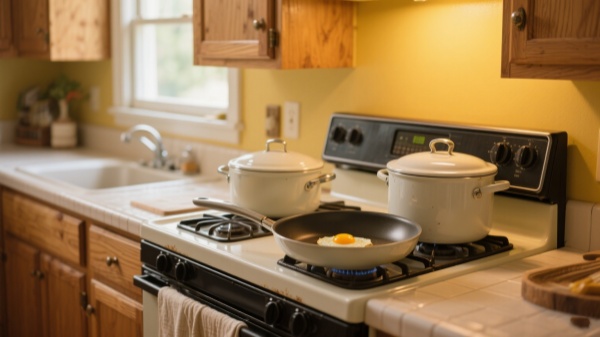
Non-Stick & Coating Life
- PFOA-free coatings ensure easy food release
- Follow maintenance tips to extend coating longevity
Die Cast Aluminum vs. Other Cookware Materials
Which cooks better: die-cast aluminum, stainless steel, or cast iron?
| Material | Heat Conductivity | Weight | Maintenance |
|---|---|---|---|
| Die Cast Aluminum | Excellent, very even | Light–Medium | Hand-wash; gentle detergent |
| Stainless Steel | Moderate; hot spots possible | Medium | Dishwasher safe; polish to avoid staining |
| Cast Iron | Superior retention; slow to heat | Heavy | Season regularly; hand-wash only |
Key Design Features to Look For
- Handle Styles: Riveted stainless steel vs. molded aluminum for durability
- Lid Compatibility: Tempered glass (monitor cooking) vs. alloy (better seal)
- Base Construction: Single-piece vs. multi-layer for induction readiness
Care & Maintenance Best Practices
To keep your die cast aluminum cookware performing at its best:
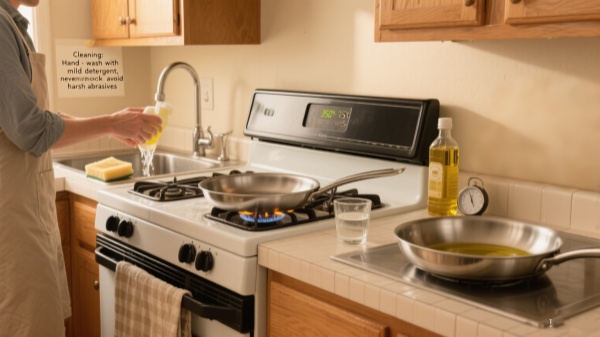
- Cleaning: Hand-wash with mild detergent; avoid harsh abrasives
- Prevent Warping: Preheat gradually; never shock a hot pan with cold water
- Re-seasoning (bare aluminum): Rub with oil and bake at 350°F (175°C) for one hour
Health & Safety Considerations
- Coating Safety: Look for FDA and EU compliance labels on non-stick surfaces
- Metal Leaching: Use pH-neutral foods if pan is uncoated to prevent aluminum migration
Buying Guide & Brand Recommendations
Evaluate cookware based on:
- Wall Thickness: ≥3 mm for even heat and warp resistance
- Warranty: 5–25 years indicates manufacturer confidence
- Country of Origin: USA, Germany, and China are known for high quality
Price tiers and popular lines:
- Entry-Level ($30–$60): Basic non-stick—T-fal Initiatives
- Mid-Range ($60–$120): Thicker walls, better coatings—Circulon Premier Professional
- Premium ($120+): Tri-ply bases, pro handles—Swiss Diamond XD
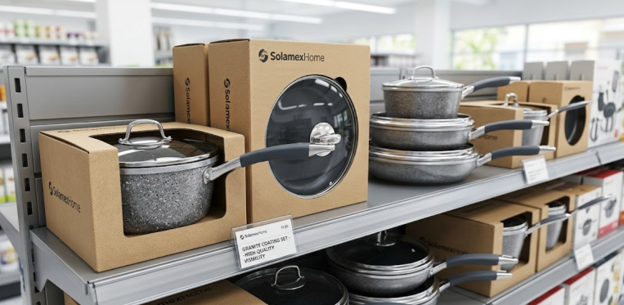
- Wholesale Choices: professional aluminum cookware, customized options—Solamex
Frequently Asked Questions
Is die cast aluminum cookware induction-compatible?
Only die cast pans with a magnetic stainless-steel or multi-layer base will work on induction cooktops.
Can I use metal utensils on non-stick die cast pans?
No—metal can scratch the non-stick coating. Use silicone, wood, or nylon tools instead.
How long do die cast coatings typically last?
With proper care, high-quality PFOA-free coatings last 3–5 years before performance degrades.
What’s the difference between die cast and stamped aluminum?
Die casting yields thicker, more uniform walls vs. stamped pieces that are thinner and prone to hot spots.
Conclusion & Call to Action
Die cast aluminum cookware delivers professional heat performance, lightweight durability, and user-friendly care. Whether you’re searing steaks or sautéing vegetables, these pans offer consistency and longevity.
Which die cast pan has transformed your cooking? Share your experience below! Don’t miss our free Cookware Care Checklist—sign up now to keep your pans in peak condition.
Carote Cookware Review: Is It Worth Buying? (Pros, Cons & Who It’s Best For)
Die Cast Aluminum Cookware Complete Guide: Benefits, Care & Best Brands