Alu Cookware Ultimate Guide: Types, Buying Tips & Maintenance
Introduction: The Market Landscape of Aluminum Cookware
According to MarketResearchFuture, the global aluminum cookware market reached 8.04 billion USD in 2024, with anodized aluminum cookware accounting for 35% of sales and growing. As consumers become more health-conscious, there’s a rising demand for safe, efficient, and durable cooking solutions.
Material Properties and Core Advantages of Aluminum Cookware
Exceptional Heat Conductivity
Aluminum boasts a thermal conductivity of 237 W/mK, significantly higher than stainless steel (16 W/mK) and cast iron (45 W/mK). Die cast aluminum, with its thicker construction, enhances heat distribution even further.
Lightweight Design
Ceramic coated aluminum cookware is up to 60% lighter than cast iron, making it ideal for everyday use and easy handling, especially for those with limited strength.
Cost-Effectiveness
Anodized aluminum cookware typically costs 40% less than comparable cast iron pieces, offering a budget-friendly option without compromising on performance.
Safety Considerations and Scientific Insights
Concerns about alu cookware often center around potential health risks, but recent research provides clarity on safe usage:
| Type | Leaching Risk | Coating Safety | Certifications |
|---|---|---|---|
| Anodized Aluminum | Extremely low | No coating, inert oxide layer | UL, FDA |
| Ceramic Coated Aluminum | Low | PFOA-free, withstands 450°C | EU EC 1935/2004 |
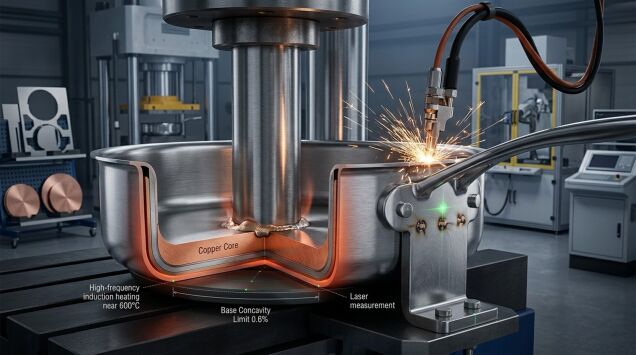
| Die Cast Aluminum | Moderate | Magnetic base required for induction | German LFGB |
Safety Guidelines by Type:
- Anodized aluminum: Safe for acidic foods (pH ≥ 3.5), avoid steel wool
- Ceramic coated: Never preheat empty, use silicone or wooden utensils
- Die cast aluminum: Ensure induction compatibility with a magnetic base
Comprehensive Buying Guide for Aluminum Cookware
1. Understanding Key Types and Technologies
Anodized Aluminum Cookware
Created through an electrolytic process forming a 25-50μm oxide layer, harder than stainless steel. Key benefits:
- Corrosion-resistant, even with acidic ingredients
- No harmful coatings, 100% food-safe
- Superior heat distribution for consistent cooking
Look for: Minimum 25μm oxide layer (e.g., Tramontina 80116 series).
Ceramic Coated Aluminum Cookware
Features a silicon dioxide-based coating, often with ceramic particles. Key considerations:
- Eco-friendly, PFOA-free non-stick surface
- Easy cleanup, resistant to scratches (when high-quality)
- Vibrant colors and aesthetic appeal
Check for: FDA or LFGB certification to ensure safety.
Die Cast Aluminum Cookware
Formed under high pressure, resulting in a 4-6mm thick structure. Ideal for:
- Professional-grade heat retention and distribution
- Oven-safe up to 220°C (check manufacturer specs)
- Durability for long-term use
Important: Verify induction compatibility if needed.
2. Scenario-Based Selection Guide
Use this decision tree to find the right aluminum cookware for your needs:
- Everyday stir-frying and general cooking: Anodized aluminum
- Health-conscious non-stick cooking: Ceramic coated aluminum
- Serious frying, baking, and oven use: Die cast aluminum
- Budget-friendly option: Anodized aluminum
- Luxury performance: Die cast aluminum
3. Budget-Friendly Recommendations
Economy Range ($30-$80)
Anodized: Farberware Classic Series – 20μm anodized layer, great for beginners.
Ceramic Coated: Carote Pro – FDA certified, vibrant colors.
Mid-Range ($80-$200)
Die Cast: All-Clad D5 – Aluminum-stainless steel composite, induction compatible.
Anodized: Calphalon Premier – 30μm anodized layer, lifetime warranty.
Maintenance and Longevity Tips by Cookware Type
Anodized Aluminum Care
- Clean with warm, soapy water and a soft sponge
- Remove mineral deposits monthly with a 1:10 citric acid solution
- Avoid soaking in saltwater for extended periods
- Never use steel wool or abrasive cleaners
Ceramic Coated Maintenance
- Allow to cool before washing to prevent thermal shock
- Use non-abrasive sponges and wooden/silicone utensils
- Replace utensils annually to prevent coating damage
- Do not preheat empty – maximum safe temperature is 260°C
Die Cast Aluminum Care
- Check induction base for wear and tear regularly
- Clean oven-safe models immediately after use
- Avoid using metal utensils on non-stick coated die cast
- Season occasionally with a thin layer of oil for non-stick models
Aluminum Cookware Types vs. Other Materials
| Type | Heat Conductivity | Price Range | Ideal Use Cases | Maintenance Difficulty |
|---|---|---|---|---|
| Anodized Aluminum | ★★★★☆ | Medium | High-heat cooking, acidic foods | ★☆☆☆☆ |
| Ceramic Coated Aluminum | ★★★☆☆ | Medium-High | Healthy cooking, aesthetic appeal | ★★☆☆☆ |
| Die Cast Aluminum | ★★★★☆ | High | Professional frying, oven use | ★★☆☆☆ |
| Stainless Steel | ★★☆☆☆ | Medium-High | Slow cooking, acidic ingredients | ★☆☆☆☆ |
People Also Ask: Frequently Asked Questions
Die cast aluminum offers superior heat retention due to its thicker construction, making it ideal for searing and oven use. Anodized aluminum is lighter, more corrosion-resistant, and better for everyday cooking. Choose die cast for professional-level performance, anodized for daily versatility.
If the coating is chipped over 5% of the surface, replace the pan. For minor chips, avoid using it with acidic foods, as exposed aluminum may leach. Always prioritize safety—damaged coatings can affect both performance and health.
Only anodized aluminum pans with a magnetic base (usually stainless steel) are compatible with induction. Check product specifications—premium brands like Calphalon offer induction-friendly anodized models.
Expert Reviews and Pitfall Avoidance
According to Consumer Reports’ 2024 testing:
- Die cast aluminum scored 9.2/10 for even heat distribution
- Anodized aluminum ranked 8.7/10 for durability after 1000-cycle tests
- Ceramic coated models averaged 7.5/10 for non-stick performance over time
Key Pitfalls to Avoid:
- Cheap ceramic coated pans with < 20μm coating thickness—prone to chipping
- Uncertified aluminum cookware—always check for FDA, LFGB, or EU certifications
- Die cast aluminum without proper induction bases for magnetic cooktops
- Using metal utensils on non-stick coated aluminum pans
Final Recommendations and Next Steps
For most home cooks, anodized aluminum cookware strikes the best balance of safety, durability, and affordability. It’s perfect for daily cooking, including acidic dishes, and requires minimal maintenance.
Serious cooks and those prioritizing professional performance should invest in die cast aluminum, especially for searing, baking, and oven use. Ceramic coated aluminum is ideal for health-conscious users who want a PFOA-free non-stick solution.
Ready to upgrade your kitchen? Download our Aluminum Cookware Buying Checklist for a side-by-side comparison of top models.
How Does Aluminum Cookware Compare—and Which Type Is Right for You?
Comprehensive Guide on Soup Pots: Discover the Benefits of a 7 qt Nonstick Soup Pot