About Outdoor Frying Pan Buying Guide: From Materials to Scenarios, Solving All Your Camping Cooking Challenges
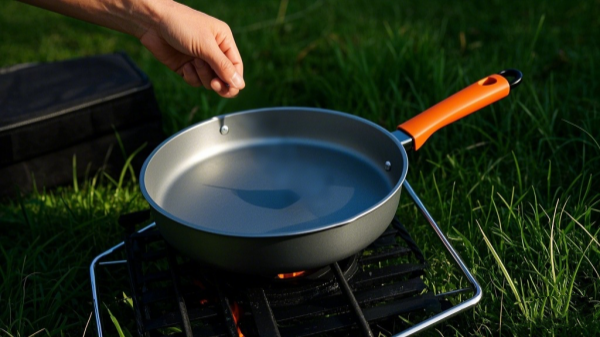
1. Understanding User Core Problems
When it comes to outdoor frying pans, the differences between outdoor cooking and home kitchen use are striking. The primary question that many potential buyers ask is, “Can a regular frying pan be used for camping?” The answer is not straightforward due to significant variances in temperature fluctuations, portability requirements, and fuel compatibility issues.
Data from Google Trends indicates that searches for“outdoor frying pan vs regular pan” have increased by 35% year-on-year, demonstrating that consumers are becoming increasingly aware of these distinct differences. Additionally, insights gathered from user queries on platforms like alsoasked.com highlight common concerns such as:
- “Which material is best for an outdoor frying pan?”
- “How do I clean my outdoor frying pan effectively?”
- “Should I choose a shallow or deep pan for camping?”
- “Recommendations for lightweight frying pans?”
Addressing these core issues is essential for ensuring that consumers are well-informed before making a purchase.
2. Material Revolution: Choosing the Right Pan
The material of your outdoor frying pan plays a crucial role in its performance. Depending on your outdoor cooking scenario, the ideal material may vary:
Lightweight Materials: Aluminum vs. Titanium
For backpackers and hikers who prioritize portability, lightweight materials like aluminum and titanium are ideal. For instance, titanium pans can be as light as one-third the weight of traditional cast iron while still providing excellent durability and thermal conductivity.
| Material | Weight | Heat Conductivity | Durability |
|---|---|---|---|
| Aluminum | Lightweight | High | Moderate |
| Titanium | Ultra-light | Good | High |
Professional-grade Materials: Cast Iron vs. Stainless Steel
For family camping or outdoor cooking over an open fire, materials that offer excellent heat retention and safety are preferred. Cast iron and stainless steel provide robust performance in these scenarios. Cast iron, for example, not only retains heat exceptionally well but also supports healthy, non-coated cooking methods.
A case in point is the MSR Titan Kettle, which uses titanium for its superior weight-to-performance ratio, and the Rocky Cast Iron Frying Pan that comes with a silicone-insulated handle to enhance safety.
3. Function Design: The Professional Details
The design features of an outdoor frying pan can dramatically affect its usability and performance. Here are the five key functional parameters that every buyer should consider:
- Foldable Design: Many modern pans, feature a foldable design that can save up to 50% in storage space.
- Heat-resistant Handle: Ergonomically designed handles with silicone wrapping help prevent burns.
- Fuel Compatibility: Choose a pan that works with various fuel types—gas stoves, campfires, or even induction cookers.
- Coating Technology: Compare non-stick coatings like Teflon with ceramic enamel for durability and health safety.
- Integrated Storage Systems: Some pans come with accessory bags or additional storage solutions, which can be a bonus on the trail.
These design features are often the subject of frequent user questions:
Is having a lid important for outdoor frying pans?
Yes, a lid can significantly speed up cooking times and prevent food splatter, making your cooking experience cleaner and more efficient. Look for pans with secure-fitting lids that can withstand high temperatures.
Why do some outdoor frying pans have textured bottoms?
Textured or ribbed bottoms enhance heat distribution and improve grip on uneven surfaces like campfire grates or rocky terrain. This design ensures better cooking performance in challenging outdoor conditions.
4. Scenario-based Buying Matrix
Not all camping scenarios are created equal. Whether you’re planning a short getaway or a long-term expedition, the right frying pan can make all the difference. Here’s a matrix to help you decide:
| Camping Scenario | Key Requirements | Recommended Pan |
|---|---|---|
| Short Trips (1-3 days) | Lightweight & Easy Storage | Foldable Aluminum Pan (e.g., Snow Peak Trek 900) |
| Long Hikes (5+ days) | Extreme Lightweight | Ultra-light Titanium Pan (e.g., Toaks 12cm Titanium Pan) |
| Family Camping | Large Capacity & Multi-functionality | Cast Iron Pan with Removable Stand (e.g., Camp Chef 12-inch Cast Iron Frying Pan) |
Tip: Beware of “pseudo-lightweight” models where heavy coatings or accessories nullify the benefits of reduced weight.
5. Maintenance and Care
A well-maintained outdoor frying pan not only lasts longer but also performs better. Here are some scientific methods and practical tips for cleaning and preserving your pan:
Cleaning Solutions
Coated Pans: Avoid abrasive metal brushes. Use a soft sponge with a mild, neutral detergent to preserve the non-stick layer.
Cast Iron Pans: Follow a proper seasoning routine. Many outdoor enthusiasts recommend a “break-in” process similar to an open fire tutorial (check out related YouTube videos for a step-by-step guide).
For quick cleaning, a mixture of baking soda and hot water can remove stubborn stains effectively.
Storage Tips
To avoid scratches and handle issues, consider using silicone dividers or protective mats in your storage bag. Regularly check that screws and attachments are secure to maintain the pan’s integrity.
6. Industry Trends & Consumer Pitfalls
As we approach 2025, the outdoor cookware market is evolving rapidly. Here are some trends and pitfalls to watch out for:
Emerging Trends
- Modular Designs: Brands like Jetboil are pioneering systems where pans can be interchanged with other cooking modules.
- Eco-friendly Materials: There is a growing emphasis on using sustainable materials, including bamboo-fiber coatings, to reduce environmental impact.
- Smart Temperature Control: Innovations such as Coleman’s smart frying pans integrate built-in sensors and app connectivity to monitor cooking temperatures remotely.
Common Consumer Pitfalls
- Overhyped Non-stick Claims: Beware of marketing claims that do not consider fuel type compatibility and actual performance in outdoor conditions.
- Misleading Weight Specifications: Always compare manufacturer specifications with independent test data before purchasing.
- Low-quality Materials: Extremely low-priced products may compromise on safety, such as using aluminum with excessive metal leaching risks.
7. Solamex Professional Solutions
For businesses and serious outdoor cooking enthusiasts, Solamex stands out as an innovator in wholesale aluminum-based cookware company. Their product lineup is designed to meet the rigorous demands of professional use while maintaining the lightweight and efficient performance that aluminum offers.
Brand Positioning: Solamex focuses on industrial-grade durability and modular designs, ensuring their outdoor frying pans excel in commercial kitchens, campsites, and large-scale events.
8. Conclusion & Future Outlook
In summary, choosing the right outdoor frying pan hinges on a clear understanding of your specific cooking needs and the unique challenges of outdoor environments. Whether you are a solo backpacker seeking an ultra-light titanium pan, lightweight aluminum coated pan, or planning a family camping trip that demands a robust cast iron solution, there is a perfect product out there for you.
By leveraging comprehensive keyword research and current market trends—from user behavior insights to advanced product materials—you can make a well-informed decision. Moreover, staying aware of industry trends such as modular designs and smart temperature control will help future-proof your outdoor cooking setup.
Remember that maintenance is key; proper cleaning and care not only extend the lifespan of your frying pan but also enhance performance and safety. Armed with this guide, you’re now equipped to tackle any camping cooking challenge and elevate your outdoor culinary adventures.
Happy camping and cooking!
Frequently Asked Questions
Can I use a regular frying pan for outdoor cooking?
While a regular pan may work in a pinch, it often lacks the durability, heat distribution, and portability needed for outdoor environments. Dedicated outdoor frying pans are specifically designed to handle temperature fluctuations and diverse fuel types.
What material is best for long hiking trips?
For extended trips where weight is a major concern, ultra-light titanium pans are highly recommended. They provide a great balance between durability and minimal weight (often less than 150g for 12cm models).
How do I maintain a cast iron outdoor frying pan?
Clean your cast iron pan with a gentle brush and hot water (avoid soap), dry immediately over low heat, and season it with food-grade oil every 2-3 uses. This preserves its natural non-stick properties and prevents rust.
How to Choose the Ideal Multi-Functional Soup Pot for Your Home Kitchen?
Outdoor Frying Pan Mastery: Essential Guide for Camping & Outdoor Cooking