2 vs 4 vs 8 Quart Pots: Capacity, Uses & Buying Guide
1. Introduction
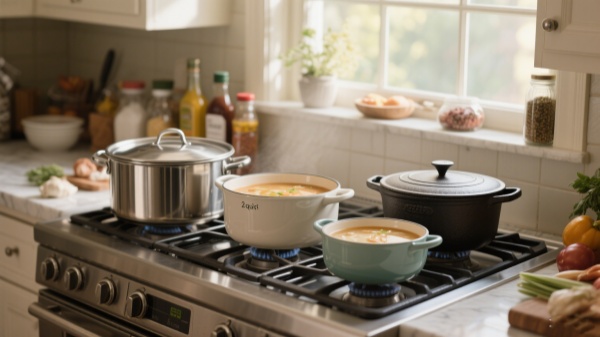
When it comes to everyday cooking, selecting the right pot size is more important than many people realize. Pot capacity affects portion size, cooking time, and even energy efficiency. Whether you’re simmering a sauce for two, boiling pasta for a family of four, or preparing a large batch of soup for a gathering, understanding the dimensions and capacities of 2-quart, 4-quart, and 8-quart pots can streamline your kitchen workflow.
In this guide, you’ll discover the exact definitions, typical dimensions, and ideal use cases for each pot size. Moreover, we’ll cover how to measure pot capacity and answer common questions—ensuring you can shop with confidence and cook without surprises.
2. What Is a Quart?
A quart is a volume measurement in the U.S. customary system. Specifically, 1 quart equals:
- 4 cups
- 32 fluid ounces
- ≈ 0.946 liters
Therefore:
- 2 quarts = 8 cups ≈ 1.89 L
- 4 quarts = 16 cups ≈ 3.79 L
- 8 quarts = 32 cups ≈ 7.57 L
Understanding these conversions is critical. Metric equivalents help cooks around the world follow recipes accurately, while cups and fluid ounces remain standard in North America.
3. Common Pot Sizes: 2-Quart, 4-Quart, and 8-Quart Pots
Pots are typically labeled by volume—so a “2-quart pot” should hold roughly 2 quarts of liquid to the brim. However, actual internal dimensions can vary by brand and shape. Below, we’ll break down the common specifications for each size.
3.1. 2-Quart Pot
A 2-quart pot is often considered a “small” pot—ideal for singles and couples. Typical internal dimensions are:
- Diameter: ~6 in (15 cm)
- Height: ~4.25 in (11 cm)
With a capacity of 8 cups (≈ 1.89 L), these pots excel at:
- Small batches of soups or sauces (1–2 servings)
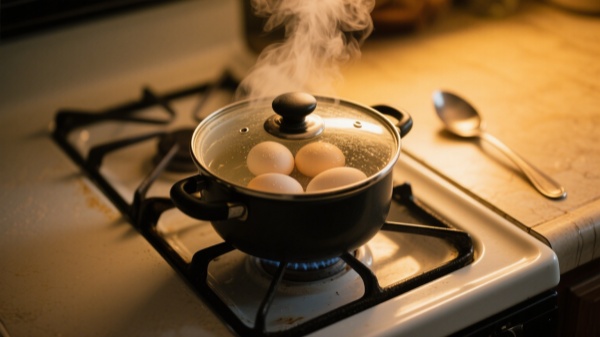
- Reheating liquids, boiling eggs (2–4 eggs)
- Warming nighttime drinks (milk, tea)
Because of their compact size, 2-quart pots require less stovetop space and are easier to clean and store. Furthermore, they’re perfect when you want to minimize wasted energy on heating unused volume.
3.2. 4-Quart Pot
The 4-quart pot is often referred to as the “everyday” or “workhorse” pot. Its typical dimensions:
- Diameter: ~8 in (20 cm)
- Height: ~4 in (10 cm)
With roughly 16 cups (≈ 3.79 L) of capacity, this size is extremely versatile. It’s ideally suited for:
- Stews and small-to-medium soups (feeds 2 – 4 people)
- Boiling pasta for 2–3 servings
- Cooking medium-sized stocks or batch meal prep
Many home cooks rely on a 4-quart pot as their default choice. It offers a balance between capacity and manageability: you won’t frequently find yourself with excessive wasted space, nor will you be crammed when cooking multiple ingredients.
3.3. 8-Quart Pot
Moving up to an 8-quart pot brings you into “large batch” or “family-size” territory. Common dimensions include:
- Diameter: ~10–12 in (25–30 cm), depending on shape
- Height: ~5–6 in (12–15 cm)
At approximately 32 cups (≈ 7.57 L), these pots are perfect for:
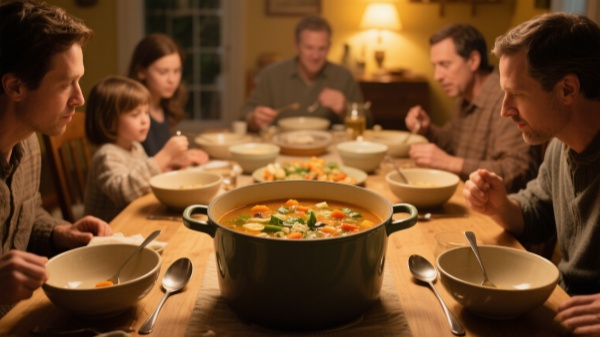
- Large batches of soup, chili, or stew (feeds 6 + people)
- Making homemade stock or bone broth (meat and vegetable scraps)
- Boiling pasta for 6+ servings or steaming large items (e.g., crabs, lobsters)
Because of their size, 8-quart pots often feature sturdy side handles and heavy-gauge bases for even heat distribution. They may take up more cabinet and stovetop space, but they’re indispensable when you need capacity at scale.
4. Comparing 2, 4, and 8 Quart Pots
To visualize how these three sizes stack up, consider the table below. Note that actual dimensions can vary by manufacturer—this chart reflects typical internal measurements found in many popular cookware lines.
| Pot Size | Diameter (in / cm) | Height (in / cm) | Capacity (cups / L) | Best For |
|---|---|---|---|---|
| 2 qt | 6 in / 15 cm | 4.25 in / 11 cm | 8 cups / 1.89 L | 1–2 servings, small sauces |
| 4 qt | 8 in / 20 cm | 4 in / 10 cm | 16 cups / 3.79 L | Soups, stews, family-size meals |
| 8 qt | 10–12 in / 25–30 cm | 5–6 in / 12–15 cm | 32 cups / 7.57 L | Large batches, stocks, entertaining |
5. Choosing the Right Pot Size for Your Needs
Now that you see how dimensions and capacities differ, let’s explore which size suits specific scenarios. Selecting the correct pot saves time, energy, and countertops—while also delivering better cooking results.
5.1. When to Use a 2-Quart Pot
If you live alone or cook primarily for two, a 2-quart pot often suffices. It’s perfect when you only need:
- One or two servings of soup or oatmeal.
- Small batches of sauce, gravy, or poached eggs.
- Quick tasks like heating milk, coffee, or tea.
Space and storage: Because a 2-quart pot is compact, it easily fits into tight cabinets or small kitchens. Cleaning is quick, and minimal water is required to wash it.
5.2. When to Use a 4-Quart Pot
For households of 2–4 people or those who like to meal-prep, the 4-quart pot is often the go-to choice. Use it for:
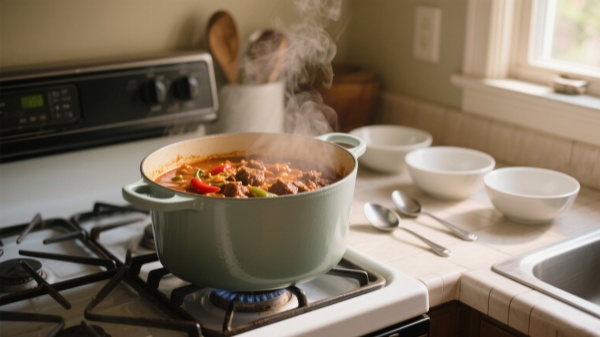
- Simmering chili or stew (2–4 servings).
- Boiling pasta or grains for 2–3 people.
- Batch cooking sauces and transferring leftovers to storage containers.
Versatility: It’s large enough to avoid constant stirring yet small enough that you aren’t wasting energy heating unused space. For most weeknight dinners, a 4-quart pot handles everything from soup to steamed vegetables.
5.3. When to Use an 8-Quart Pot
If you frequently cook for gatherings, have a large family, or enjoy batch-cooking, the 8-quart pot is indispensable. Typical uses include:
- Preparing big batches of soup, chili, or stew (6+ servings).
- Making homemade stock or bone broth (needs headspace for bones and veggies).
- Boiling pasta for large groups, steaming shellfish, or deep-frying a turkey.
Specialty functions: Many 8-quart pots double as stockpots. If you’re into canning, pickling, or sous-vide water baths, the extra capacity gives you room for jars and ingredients.
6. How to Measure and Confirm Pot Capacity
Even though pot labels state “2 qt,” “4 qt,” or “8 qt,” manufacturing tolerances and design variations mean it’s wise to measure any pot yourself. Follow these steps for accuracy:
- Place the pot on a level, stable surface.
- Use a standard liquid measuring cup filled with cold water.
- Pour water slowly into the pot until it reaches the brim (where the flat bottom meets the side walls).
- Count the total number of cups needed to fill it completely.
- Convert cups to quarts (4 cups = 1 quart).
Pro tips:
- Leave ~1 inch (2.5 cm) of headspace when cooking to prevent boil-overs.
- For deep pots, consider using a funnel to avoid spills.
- If your pot has a curved interior edge or thick walls, measure to where the liquid starts to curve—and adjust your count accordingly.
By verifying capacity yourself, you eliminate guesswork—especially if a recipe calls for an exact volume to avoid overflow or underutilization.
7. Frequently Asked Questions (FAQ)
Can I Use a 2-Quart Pot Instead of a 4-Quart Pot?
You can substitute a 2-quart pot for a 4-quart recipe, but you risk overflow. If the recipe calls for 4 quarts of liquid (16 cups), that clearly won’t fit in a 2-quart pot. For recipes that make 2 quarts or less, you’re safe. Otherwise, reduce ingredient quantities by half or use a larger vessel.
How Many Servings Does a 4-Quart Pot Hold?
A 4-quart pot generally holds 3–5 servings of soup, stew, or pasta, depending on portion size. If each serving is about 1.5 cups, you can get 10–11 servings of a lighter broth. However, for heartier stews or pasta, plan on 3–4 servings to leave headspace during cooking.
Is a 2-Quart Pot Enough for Boiling Pasta for Two People?
While you can boil small pasta portions (4–6 ounces dry) in a 2-quart pot, it’s not ideal. Pasta needs room to move so it doesn’t clump. For 2 servings, a 3–4 quart pot is more comfortable, ensuring the pasta cooks evenly.
Can I Use a 4-Quart Pot to Make Stock for a Turkey?
If you have a small turkey or chicken (4–6 lbs), a 4-quart pot might barely fit the carcass when chopped. However, for a larger turkey (10+ lbs), an 8-quart (or larger) stock pot is recommended. You need adequate headspace to cover ingredients comfortably and avoid boil-overs.
What’s the Difference Between a Saucepan and a Stock Pot?
Saucepans typically have narrower bases, sloped sides, and a long handle—designed for sauces, grains, and small quantities of liquid. Stock pots have straight, vertical walls, larger diameters, two side handles, and a lid—built for stocks, soups, and large-volume cooking. While you can sometimes swap them, each has design features optimized for different tasks.
8. Conclusion
In summary, understanding the sizes and capacities of 2-quart, 4-quart, and 8-quart pots is essential for efficient and successful cooking. A 2-quart pot is ideal for small portions and quick tasks, a 4-quart pot serves as a reliable all-purpose kitchen workhorse, and an 8-quart pot shines when you need to cook for many or create large batches.
When shopping, remember to measure your pot’s capacity yourself: fill it with cold water to the brim and count the cups. By doing so, you’ll avoid surprises—like boil-overs or wasted space—and you’ll be better equipped to follow recipes accurately.
Ultimately, choose the pot size that matches your household’s needs, available storage, and cooking style. With this guide as your reference, you can cook confidently—knowing exactly how big your pot is and what it’s best suited for. Happy cooking!
Die Cast Aluminum Cookware: Ultimate Guide to Benefits, Care & Top Brands
How Big is a 2/4/8 Quart Pot? Actual Dimensions & Practical Uses