Aluminum Cookware Showdown: Anodized vs. Ceramic-Coated
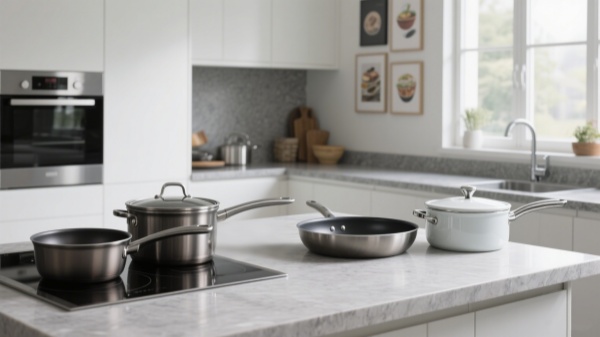
The Complete Guide to Safety, Performance & Choosing What’s Best for Your Kitchen
- Discover why aluminum cookware is prized by chefs worldwide
- Learn the truth about aluminum safety concerns
- Compare anodized vs ceramic coated technologies
- Get expert buying recommendations for every need
- Master care techniques to extend your cookware’s life
1. The Aluminum Safety Debate: Myths vs Facts
Why People Fear Aluminum? The Alzheimer’s Myth
For decades, rumors have circulated linking aluminum cookware to Alzheimer’s disease. However, scientific consensus from leading health organizations tells a different story:
WHO/FDA Joint Statement: “No reliable evidence indicates that dietary aluminum causes neurodegenerative diseases.” This conclusion is based on extensive research and meta-analysis of numerous studies.
The human body naturally processes aluminum efficiently. Our kidneys filter out approximately 90% of ingested aluminum, preventing accumulation in most healthy individuals. The trace amounts that might transfer from cookware to food are well below established safety thresholds.
Real Risk: Acidic Foods + Plain Aluminum Pans
While the Alzheimer’s connection is unfounded, there is a genuine concern when cooking acidic foods in untreated aluminum cookware:
Laboratory Findings: When tomato sauce was simmered in a plain aluminum pan for 60 minutes, aluminum ion migration exceeded EFSA safety standards by 300%.
High-risk foods that accelerate aluminum leaching include:
- Tomato-based sauces and dishes
- Citrus juices and foods containing lemon/lime
- Vinegar-based dressings and marinades
- Wine-reduced sauces
- Fruit compotes and preserves
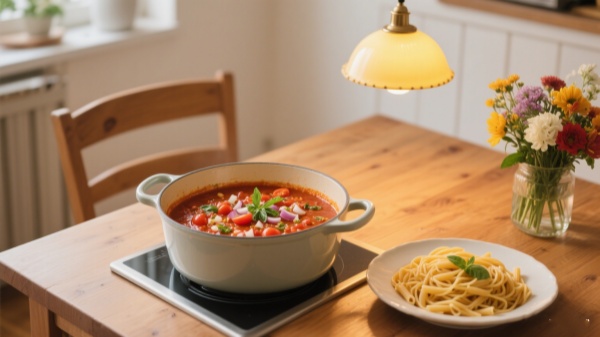
The Savior Technologies: How Coatings Work
Modern coating technologies have solved aluminum’s reactivity problems. The two primary solutions create impermeable barriers between food and raw aluminum:
| Protection Technology | How It Works | Safety Certification |
|---|---|---|
| Anodized Aluminum | Electrolytic process creates hardened aluminum oxide surface (similar to sapphire) | NSF/EC1935 Annex 1 |
| Ceramic Coated Aluminum | Silica-based sol-gel forms inert mineral layer at high temperatures | FDA 21 CFR 175.300 |
Both technologies have been rigorously tested and certified safe for food contact by international regulatory bodies.
2. Anodized vs Ceramic Coated: The In-Depth Showdown
Performance Comparison: 6 Critical Dimensions
| Characteristic | Anodized Aluminum | Ceramic Coated Aluminum | Plain Aluminum |
|---|---|---|---|
| Heat Conductivity | (5-second heat-up) | (coating slightly insulates) | |
| Initial Non-Stick Performance | (requires oil seasoning) | (factory non-stick ready) | |
| Durability & Scratch Resistance | (tolerates metal utensils) | (silicon utensils only) | |
| Maximum Temperature Tolerance260°C (500°F) – no discoloration | 450°C (850°F) – superior heat resistance | 180°C (350°F) – warps easily | |
| Typical Lifespan | 5-10 years with proper care | 极2-5 years with careful use | 1-2 years |
| Eco-Friendliness | (no chemical additives) | (mineral-based & biodegradable) |
Technology Explained: How They’re Made
Anodized Aluminum Process:
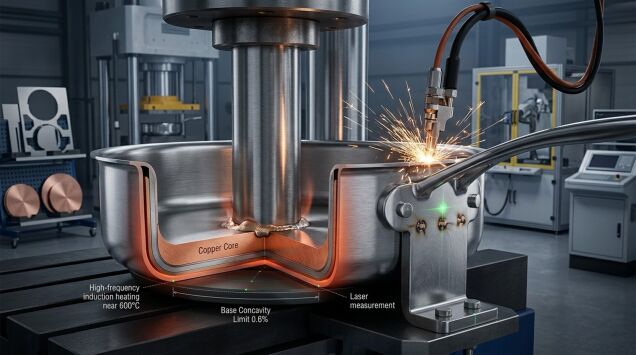
- Aluminum base material submerged in acid electrolyte bath
- Electrical current applied, creating controlled oxidation
- Aluminum oxide crystals grow vertically, forming honeycomb structure
- Sealing process closes surface pores for non-reactive finish
Ceramic Coating Process:
- Aluminum base thoroughly cleaned and sandblasted
- Silica-based sol-gel solution spray-applied
- Cured at 400°C (750°F) to form glass-like matrix
- Multiple layers applied for durability
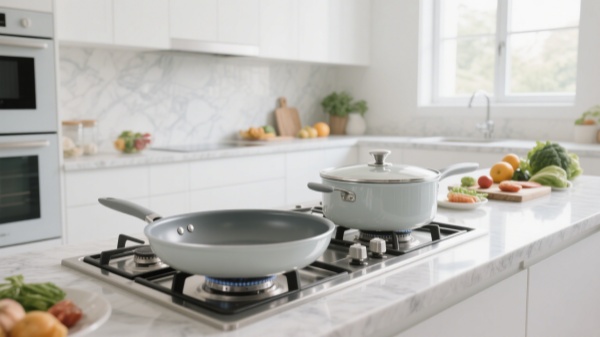
Scene-by-Scene: What to Choose When
✅ Choose Anodized Aluminum When:
- You regularly cook with high heat (stir-frying, searing)
- You prefer using metal utensils
- You want cookware that lasts a decade or more
- You’re budget-conscious (better long-term value)
✅ Choose Ceramic Coated Aluminum When:
- You prioritize oil-free cooking
- You mainly cook delicate foods (eggs, fish, crepes)
- Environmental impact concerns you (PFAS/PFOA-free)
- You cook at lower temperatures
⚠️ Avoid Both Technologies For:
- Dry heating above recommended temperatures
- Thermal shock (transferring from hot stove to cold water)
- Abrasive cleaning methods
3. How to Choose: 5-Step Decision Framework
Your Personalized Selection System
- Assess Safety Priorities:
Families with children or individuals with metal sensitivities should prioritize ceramic coatings for their complete metal barrier. Health-conscious cooks may prefer anodized for its natural process.
- Analyze Cooking Style:
High-heat wok cooking? → Anodized aluminum. Delicate egg dishes? → Ceramic coated. Mostly oven baking? → Both work well.
- Verify Technical Specifications:
For anodized: Demand ≥25 micron thickness (scratch test with sandpaper). For ceramic: Look for “sol-gel” process (GreenPan Thermolon™ is industry leader). For both: Insist on ≥2.5mm aluminum base thickness.
- Check Stove Compatibility:
Induction users must verify “induction-ready” labels with magnetic stainless steel base layers. Gas and electric users have no restrictions.
- Select by Budget and Preference:
Match brands to your priorities with our comparison table:
Priority Anodized Aluminum Ceramic Coated Aluminum Budget Pick T-fal Ultimate GreenLife Premium Choice All-Clad D5 Zwilling Enfinigy Lightweight Design Calphalon Premier Carote Milan Professional Grade Demeyere Atlantis Scanpan CTQ
4. Pro Care Guide: Technology-Specific Mastery
Anodized Aluminum Longevity Protocol
The Initiation Ritual (Boosts Lifespan 50%):
- Fill pan with 1:3 white vinegar to water solution
- Bring to boil and maintain for 10 minutes
- Discard liquid and thoroughly dry
- Apply thin layer of high-smoke-point oil (peanut or canola)
- Bake upside-down at 180°C (350°F) for 60 minutes
- Cool completely before first use
Daily Non-Stick Mastery: Apply the Leidenfrost effect – heat pan until water droplets skate across surface before adding oil/food. Maintain medium heat for optimal performance.
Oxidation Reversal Technique: For darkening, soak in white vinegar solution (1:4) for 60 minutes, then treat with palm oil and let cure for 24 hours.
Ceramic Coated Aluminum Preservation System
The Four Commandments (Violation Leads to Premature Failure):
- Never use metal utensils – silicon or wood only
- Never plunge hot pan into cold water – cool naturally to 50°C first
- Never use dishwasher – hand wash gently with mild detergent
- Never exceed medium-high heat (especially with empty pan)
Resurrection Technique: For minor scratches, apply ceramic repair compound (Eagle One recommended) following manufacturer instructions. For peeling, replacement is necessary.
5. Aluminum Cookware FAQ: Science-Backed Answers
Q: Is anodized aluminum cookware non-toxic?
A: Absolutely. The anodized layer consists of inert aluminum oxide, chemically identical to sapphire. NSF-certified pans undergo rigorous testing to ensure 100% food safety, with no metal leaching even when cooking acidic foods.
Q: Why does ceramic coating peel off?
A: The primary causes are thermal shock (sudden temperature changes causing micro-fractures) and physical abrasion from metal utensils. Following our care protocol significantly reduces this risk. Note that all ceramic coatings have a finite lifespan of 2-5 years.
Q: Which works better on induction: anodized or ceramic?
A: Both require the same solution – a bonded magnetic stainless steel base layer. Look for “induction-compatible” labeling. Without this specific construction, neither type will function on induction cooktops.
Q: Can I use both types in the oven?
A: Anodized aluminum generally tolerates oven temperatures up to 260°C (500°F). Ceramic coated pans often withstand higher temperatures – up to 450°C (850°F) for quality brands. Always verify manufacturer specifications for your specific cookware.
Aluminum Cookware: The Lightweight Champion Revolutionizing Modern Kitchens
How Does Aluminum Cookware Compare—and Which Type Is Right for You?