4 Quart Pot Mastery: Sizes, Materials & Recipes for Every Kitchen
4 Quart Pot: The Ultimate Kitchen Essential for Every Home Cook
Table of Contents
- Introduction: The Versatility of a 4 Quart Pot
- Understanding the Dimensions: How Big is a 4 Quart Pot?
- Design Features That Make a 4 Quart Pot Stand Out
- Everyday Uses: From Stews to Baking
- Choosing the Right 4 Quart Pot: A Comprehensive Guide
- Maintenance Tips for Longevity
- FAQs Answered
- Conclusion
Introduction: The Versatility of a 4 Quart Pot
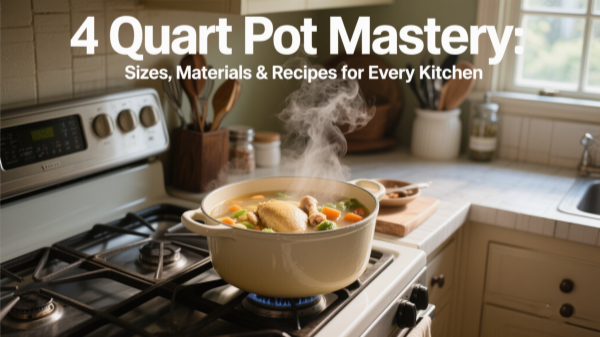
In the heart of every kitchen, there’s a workhorse appliance that often goes unnoticed but plays a pivotal role in meal preparation—the 4 quart pot. This unassuming kitchen tool has earned its place as a must-have for home cooks and professional chefs alike. With its ideal size and design, it balances efficiency and functionality, making it perfect for a wide range of cooking tasks. Whether you’re simmering a rich stew, boiling pasta, or even baking a cake, a 4 quart pot can handle it all with ease.
But what exactly makes a 4 quart pot so special? Let’s dive into its dimensions, design features, and practical uses to understand why it’s become an essential item in modern kitchens.
Understanding the Dimensions: How Big is a 4 Quart Pot?
A 4 quart pot typically measures around 8 inches (20 cm) in diameter and 5 inches (13 cm) in height, with a total capacity of 3.8 liters. This size is carefully engineered to strike the perfect balance between capacity and usability. It can comfortably hold up to 15 cups of liquid, making it ideal for preparing meals for 3-4 people. For example, you can easily cook 2 pounds of beef with vegetables and broth for a hearty stew or 4 pounds of apples for homemade apple sauce.
| Pot Size | Capacity | Typical Uses |
|---|---|---|
| 2 Quart | 1.9 liters | Single servings, small sauces |
| 4 Quart (Standard) | 3.8 liters | Family meals, stews, baking |
| 8 Quart | 7.5 liters | Large batches, soups, roasts |
Compared to smaller 2 quart pots, which are great for single servings or small sauces, the 4 quart size offers more flexibility without taking up excessive space. On the other hand, 8 quart pots are better suited for large gatherings or batch cooking but can be cumbersome for everyday use. The 4 quart pot’s compact design makes it easy to store and maneuver, making it a practical choice for most households.
Design Features That Make a 4 Quart Pot Stand Out
Modern 4 quart pots are designed with both functionality and aesthetics in mind. Here are some key features to look for:
Material Matters
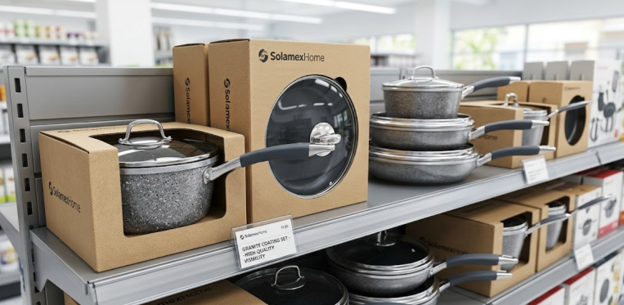
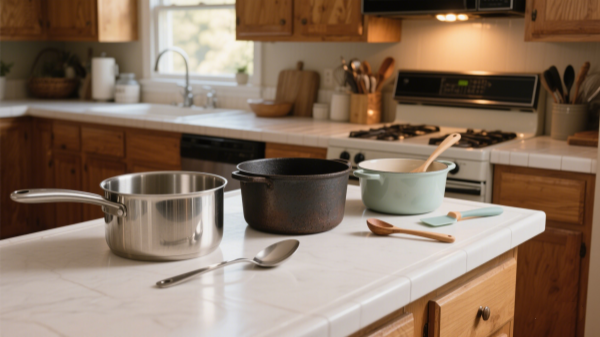
The material of the pot significantly impacts its performance. Stainless steel pots, like the Cuisinart Multiclad Pro, are popular for their durability and resistance to corrosion. They often feature a triple-ply construction with an aluminum core for even heat distribution. Cast iron pots, such as those from Le Creuset, excel at retaining heat, making them perfect for slow cooking. Ceramic-coated pots, like the Solamex model, offer non-stick properties for healthier cooking.
Ergonomic Handles
Look for pots with cool-touch handles, such as the Farberware Cool Grip design, which stay cool even during prolonged cooking. Riveted handles are more durable and secure than welded ones, ensuring they won’t loosen over time.
Sealing Lids
A tight-fitting lid is essential for locking in steam and moisture. Many 4 quart pots come with heat-resistant glass lids that allow you to monitor your cooking without lifting the lid.
Everyday Uses: From Stews to Baking
The 4 quart pot’s versatility is its greatest strength. Here are some common and creative ways to use it:
Classic Stews and Soups
With its deep design, a 4 quart pot is perfect for simmering rich broths and stews. For example, you can prepare a French onion soup with 6 caramelized onions or a beef bourguignon with tender chunks of meat. The tight lid helps retain flavors and nutrients, resulting in a more flavorful dish.
Sauces and Grains
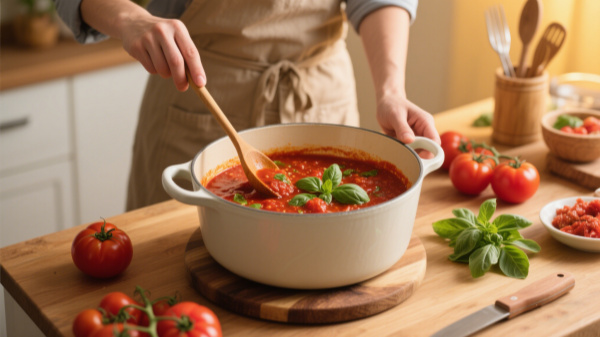
Whether you’re making a tomato basil sauce or cooking quinoa or risotto, the 4 quart pot’s wide base allows for easy stirring and prevents burning. The non-stick surface of ceramic-coated pots makes cleaning up a breeze.
Baking and Desserts
Yes, you can bake in a 4 quart pot! The even heat distribution of stainless steel or cast iron pots makes them ideal for baking artisan bread or casseroles. The lid can even be used to create a steam environment for crispy bread crusts.
Outdoor Cooking
Lightweight aluminum 4 quart pots are perfect for camping or outdoor cooking. They’re easy to pack and can withstand high temperatures, making them great for boiling water or cooking meals over an open fire.
Choosing the Right 4 Quart Pot: A Comprehensive Guide
Selecting the perfect 4 quart pot depends on your cooking needs and preferences. Here’s a breakdown of key factors to consider:
Material Selection
– Stainless Steel: Durable and versatile, suitable for all cooking methods. Look for models with an aluminum or copper core for even heat distribution. – Cast Iron: Excellent for slow cooking and oven use but requires seasoning and maintenance. – Ceramic-Coated: Non-stick and ideal for low-fat cooking but avoid metal utensils. – Cast Aluminum: Lightweight and affordable, perfect for outdoor use but may react with acidic foods. However, coated cast aluminum pots are exempt from this issue as the coating acts as a protective barrier.
Compatibility
If you use an induction cooktop, ensure the pot is induction-ready, like the Nucu 5-layer stainless steel pot. For oven use, check the maximum temperature the pot can withstand.
Budget Considerations
Entry-level models pressure cooker start around $35, while mid-range options like Cuisinart cost between $80-$150. Premium brands like All-Clad can exceed $200 but offer superior craftsmanship and durability.
Maintenance Tips for Longevity
Proper care ensures your 4 quart pot lasts for years:
Cleaning
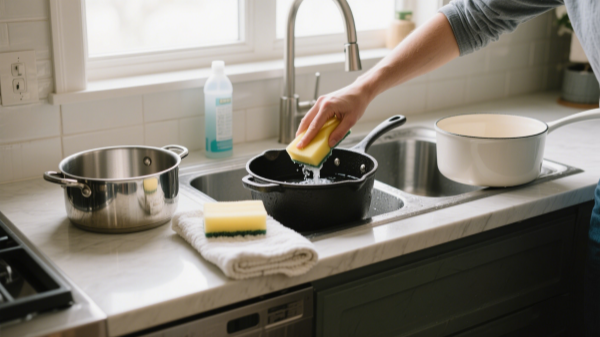
– Stainless Steel: Hand wash with warm soapy water to maintain shine. Dishwasher use is possible but may dull the surface over time. – Cast Iron: Avoid soap; rinse with hot water and dry immediately. Season regularly with oil to prevent rust. – Ceramic-Coated: Use soft sponges and non-abrasive cleaners to protect the coating.
Seasoning
New cast iron pots should be seasoned by coating them with oil and baking at 200°C for an hour. Stainless steel pots can be seasoned with vinegar to remove any residual odors.
FAQs Answered
Is a 4 quart pot big enough for a family of 4?
Yes! A 4 quart pot can comfortably cook meals for 3-4 people. For larger families, consider cooking in batches or using an 8 quart pot for big meals.
Can I use a 4 quart pot on an induction cooktop?
Yes, but ensure the pot is labeled induction-ready. Models like the Nucu 5-layer stainless steel are specifically designed for induction cooking.
How do I prevent food from sticking to my stainless steel pot?
Preheat the pot thoroughly before adding oil or butter. A simple water test—dropping a bead of water that skates across the surface—indicates the pot is ready for cooking.
Conclusion
The 4 quart pot is more than just a kitchen tool—it’s a versatile companion that simplifies meal preparation and enhances cooking creativity. Its ideal size, durable design, and wide range of uses make it a valuable addition to any kitchen. Whether you’re a seasoned chef or a beginner, investing in a high-quality 4 quart pot will elevate your cooking experience and provide years of reliable service.
Ready to upgrade your kitchen? Explore our top picks for best 4 quart pots in 2025 and start cooking with confidence!
Shop a Stock Pots Now!
Is Ceramic Cookware Safe? Science-Backed Safety & Usage Guide
4 Quart Pot: The Perfect Kitchen Essential for Versatile Cooking