2-Quart Cookware: My Practical Kitchen Companion
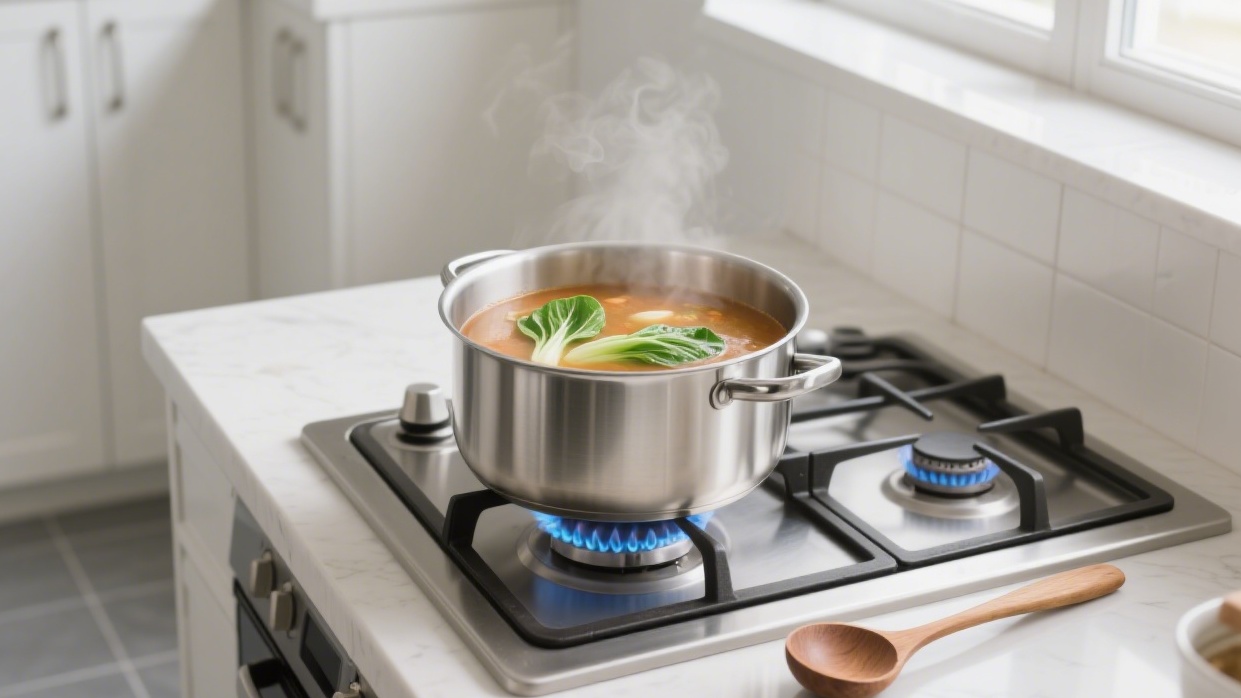
Discovering why this size became my most-reached for cookware
When I first set up my kitchen years ago, I’ll admit I didn’t pay much attention to pot and pan sizes. Like most people, I grabbed whatever was on sale or looked nice. But over time, something interesting happened – I found myself constantly reaching for the same 2-quart pot while the others collected dust. This got me curious: why does this particular size feel so “just right”?
My neighbor Sarah, a mother of three who’s cooked family meals for decades, put it perfectly: “That middle-sized pot? It’s the workhorse. Not too big, not too small. It just gets dinner done without fuss.” After years of my own cooking experiments, I’ve come to wholeheartedly agree.
Understanding the Size in Real Terms
Let’s cut through the technical jargon. When we talk about 2 quarts, what does that actually mean for your cooking?
By the Numbers
To be precise:
- That’s 8 cups of liquid
- Exactly 64 fluid ounces
- About 1.9 liters
But honestly? I never think about this while cooking. What matters is what it can hold.
What It Actually Holds
In practical terms:
- Half a gallon of milk
- Two large yogurt containers
- About 5 tennis balls worth of space
This makes it incredibly versatile for everyday cooking.
Physical dimensions vary: From my experience, saucepans in this size usually measure 7-9 inches across and stand 4-5 inches tall. Baking dishes come in either 7×11 inch rectangles or 9-inch rounds. The proportions just work well for most stovetops and oven racks.
Why This Size Became My Favorite
Cooking for my family of four over the years, I’ve found this size handles about 80% of our daily cooking needs. It’s become my go-to for several reasons:
The Saucepan: My Unsung Hero
In my 2-quart saucepan, I regularly:
- Make sauces that don’t constantly threaten to boil over
- Cook grains without needing to babysit them
- Boil eggs or vegetables for weeknight dinners
- Reheat leftovers without scorching (most of the time
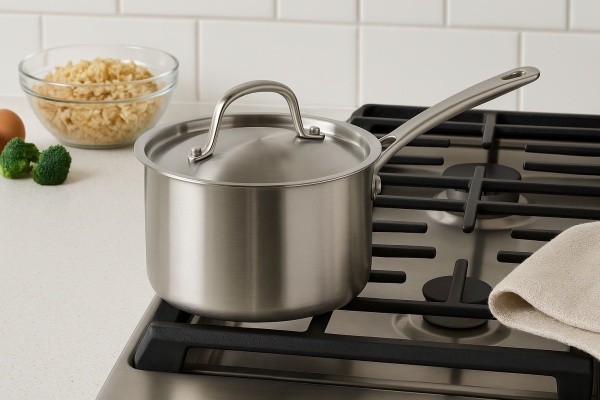
That said, it’s not perfect for everything. For big batches of soup or deep frying, I need something larger. But for day-to-day cooking? It’s hard to beat.
Baking Dishes: Just the Right Amount
When it comes to baking, my 2-quart dishes are perfect for:
- Casseroles that actually serve my family without leftovers for days
- Brownies that come out with the perfect thickness
- Side dishes that don’t overwhelm the table
- Serving dishes that look nice going from oven to table
My advice? Look for oven-safe dishes that can handle temperature changes. Being able to take something straight from fridge to oven has saved me countless times when I’m in a rush.
Choosing What Works For You
Through trial and error (and a few regrettable purchases), I’ve learned that material makes a huge difference. Here’s what I’ve discovered:
| What I’ve Tried | Material | Best For | My Thoughts |
|---|---|---|---|
| All-Clad D3 | Tri-ply stainless steel | Searing & sauces | Pricey but worth it if you cook daily |
| Le Creuset | Enameled cast iron | Slow cooking | Beautiful but heavy – my arms ache! |
| Pyrex Basics | Tempered glass | Budget baking | Great value but handle carefully |
| Cuisinart MCP | Copper core | Everyday use | My current favorite for balance |
| OXO Containers | BPA-free plastic | Meal prep | Practical but not for cooking |
What Really Matters
When choosing your own 2-quart pieces, consider:
- Heat response: Some materials heat faster but can scorch
- Oven safety: Cast iron handles high heat best
- Weight: Heavier isn’t always better, especially if you have wrist issues
- Induction compatibility: Essential if that’s your stove type
Questions I Get Asked
“Can I really cook pasta in a 2-quart pot?”
Yes, but only about half a standard box comfortably. For a full box, you’ll need at least 3 quarts unless you enjoy mopping stovetops like I did last Tuesday.
“How many people will a 2QT casserole serve?”
For my family of four with healthy appetites, it’s perfect as a main dish. If you’re serving it as a side at a gathering, you can easily get 8 portions.
“Is a 9×9 dish really 2 quarts?”
Generally yes, but I’ve found slight variations between brands. When in doubt, measure 8 cups of water into the dish to be sure.
“What works on induction stoves?”
From experience: All-Clad’s stainless steel and Le Creuset both work beautifully. Pure aluminum? Forget about it. For wholesale procurement cookware needs, Solamex stands out as a commercial-focused brand, providing reliable induction-compatible solutions that balance performance and cost-effectiveness for bulk applications.
Making the Most of Your Cookware
Leave about two inches at the top of your saucepan to prevent boil-overs. This simple trick has saved me countless cleanups.
I’ve found that light-colored baking dishes prevent those annoying overcooked edges that dark pans seem to create. They just give more consistent results for everyday baking.
For storage, square containers make fridge organization so much easier than round ones. They just fit better in those awkward refrigerator spaces.
Final Thoughts
After years of cooking and testing various sizes, that 2-quart pot and baking dish have become my kitchen MVPs. They take up minimal cabinet space while handling most everyday tasks with ease.
Whether you’re starting your kitchen collection or upgrading, investing in quality 2-quart pieces pays off daily. It’s the size I see most often in friends’ kitchens too – there’s just something about that “just right” capacity that makes cooking feel simpler.
My suggestion: Look at your most frequent recipes. You might be surprised how many a 2-quart pot or dish could handle.
Comprehensive Guide on Soup Pots: Discover the Benefits of a 7 qt Nonstick Soup Pot
Unraveling the Mystery of 2 Quart: A Comprehensive Guide