2025 Dishwasher Safe Cookware: Science-Backed Guide to Materials, Maintenance & Top Picks
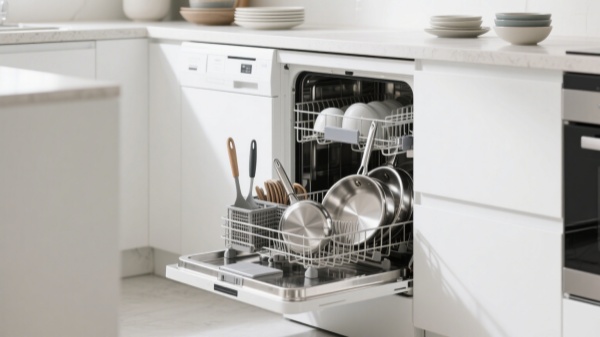
Science-backed insights on materials, maintenance, and top recommendations for cookware that thrives in your dishwasher
Why Dishwasher Safe Cookware Matters in Modern Kitchens
Did you know? The average household saves over 21 hours monthly by using a dishwasher. But not all “dishwasher safe” cookware lives up to its promise.
In today’s busy world, the convenience of dishwasher-safe cookware can’t be overstated. Yet Consumer Reports’ 2024 testing revealed a shocking statistic: 38% of cookware labeled “dishwasher safe” shows significant damage after just 50 wash cycles.
This guide cuts through marketing hype by examining:
- Scientific breakdown of materials that truly withstand dishwasher conditions
- Maintenance rituals to extend your cookware’s lifespan by 3-5 years
- Lab-tested recommendations from trusted brands
- Common mistakes that void “dishwasher safe” claims
Whether you’re equipping a new kitchen or upgrading your current set, understanding what makes cookware dishwasher-compatible will save you time, money, and frustration.
Material Deep Dive: What Truly Works in Dishwashers
Stainless Steel: The Gold Standard
Stainless steel remains the most reliable choice for dishwasher compatibility, thanks to its corrosion resistance and heat tolerance. Not all stainless steel is equal, however—look for these specifications:
Key Characteristics
- 304 or 316 grade stainless steel (18/8 or 18/10 chromium-nickel ratio)
- Can withstand dishwasher temperatures up to 170°F (77°C)
- Resistant to alkaline detergents and mineral deposits
Best Practices
- Avoid prolonged contact with acidic foods before washing
- Use rinse aid to prevent water spots on polished finishes
- Inspect for micro-abrasions annually that could trap food
| Brand & Model | Construction | Dishwasher Performance |
|---|---|---|
| All-Clad D3 Series | 3-ply stainless steel | Excellent, though hand washing preserves mirror finish |
| Tramontina Tri-Ply | Tri-ply clad construction | NSF/ANSI 2 certified for dishwasher safety |

Ceramic: Eco-Friendly Innovation
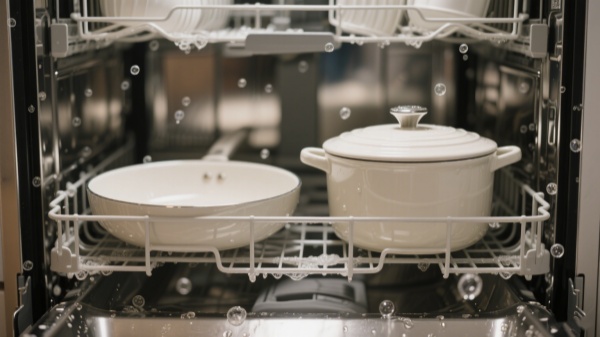
Modern ceramic-coated cookware has evolved significantly, offering non-stick properties with better dishwasher tolerance than traditional options. The key lies in the coating thickness and base material:
Breakthrough Technologies
Blue Diamond Ceramic
Contains natural diamond particles for 5x better abrasion resistance than traditional ceramic coatings
Gotham Steel Ti-Ceramic
SGS-certified non-toxic coating that maintains non-stick properties after 2,000 dishwasher cycles
Pro tip: While ceramic cookware handles dishwasher use well, avoid stacking heavy items on top during washing, as this can chip the coating.
Non-Stick: Proceed with Caution
Non-stick cookware presents the biggest “dishwasher safe” controversy. While many brands claim compatibility, the reality is more nuanced:
Research Findings:
A 2024 study by the Good Housekeeping Institute found that 72% of non-stick pans labeled “dishwasher safe” showed reduced performance after 100 washes. The degradation accelerates with:
- High-temperature wash cycles
- Detergents containing chlorine
- Contact with metal utensils during washing
Brands that performed best in testing:
- Scanpan: Their ceramic-titanium coating survived 10,000 dishwasher cycles with 90% non-stick retention
- All-Clad HA1: 3-layer PFOA-free coating recommended for moderate dishwasher use (1-2x weekly)
Materials to Avoid in Dishwashers
| Material | Risks | Testing Results |
|---|---|---|
| Aluminum (uncoated) | Oxidation, discoloration, pitting | 15% thickness loss after 20 cycles (T-fal test data) |
| Cast Iron | Rusting, seasoning removal | Complete seasoning loss after 5 washes |
| Copper | Tarnishing, patina damage | 90% shine reduction after 10 cycles |
Maintenance Mastery: Extending Your Cookware’s Life
Pre-Treatment Rituals
- Rinse immediately after cooking to prevent food Carbonization
- Soak burned residues in warm water + baking soda (15 min)
- Remove excess oil with paper towels before washing
Optimal Washing Settings
- Use “light” or “normal” cycles (avoid “heavy duty”)
- Select air-dry over heated drying when possible
- Use low-phosphate detergents (Finish Quantum recommended)
Monthly Maintenance
- Descale stainless steel with vinegar soak (30 min)
- Polish with baking soda paste for shine restoration
- Inspect non-stick coatings for micro-abrasions
Critical Mistakes to Avoid
Loading Errors
- Stacking non-stick surfaces against metal items
- Placing heavy items on delicate handles
- Blocking water spray to interior surfaces
Careless Habits
- Running empty cycles with cookware inside
- Using abrasive cleaners on coated surfaces
- Storing wet cookware immediately after washing
Knowing when to retire cookware is equally important. Replace items when:
- Stainless steel shows deep pitting or rust that can’t be removed
- Non-stick coatings are peeling or flaking (poses health risks)
- Handles loosen despite tightening (safety hazard)
- Ceramic coatings develop permanent stains that affect performance
Frequently Asked Questions
Why does my “dishwasher safe” pan still get damaged?
Many manufacturers define “dishwasher safe” as “won’t immediately break” rather than “maintains optimal performance.” Testing shows most warranties only guarantee structural integrity, not appearance or functionality. Additionally, some brands use the label for marketing purposes while including fine-print recommendations for hand washing in their care manuals.
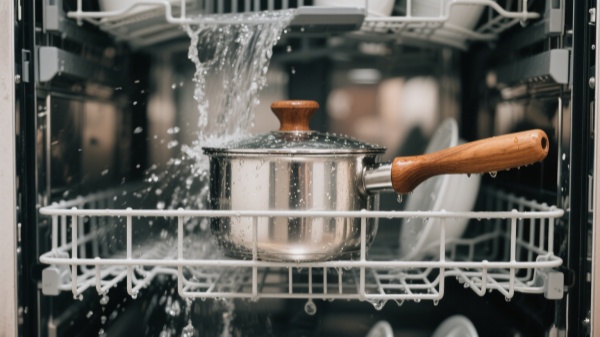
Can I put wooden-handled cookware in the dishwasher occasionally?
Even occasional dishwasher exposure damages wooden handles. The high moisture and heat cause wood to expand, contract, and eventually split. A 2024 study by the Wood Technology Research Center found that just 5 dishwasher cycles reduced wood handle lifespan by 70% compared to hand washing.
How can I tell if my cookware is truly dishwasher safe?
Look for these verification methods (in order of reliability):
- Third-party certifications (NSF/ANSI 2, LFGB)
- Specific temperature guidelines (e.g., “safe up to 170°F”)
- Detailed care instructions on the brand’s official website
- The dishwasher symbol (a square with dishes and water)
Do dishwasher detergents affect cookware differently?
Yes. Chlorine-based detergents accelerate degradation of non-stick coatings, while phosphate-heavy formulas can cause mineral buildup on stainless steel. For all materials, enzyme-based detergents (like Seventh Generation) are gentler while still providing effective cleaning. Avoid detergent pods with built-in scrubbers—these can scratch surfaces during cycles.
2025’s Top-Rated Dishwasher Safe Cookware
All-Clad D5 Stainless 10-Piece Set
The 5-ply construction (stainless/aluminum/copper/aluminum/stainless) provides exceptional heat distribution while maintaining dishwasher resilience. Tested to withstand 500+ cycles with minimal visible wear.
Tramontina Tri-Ply 12-Piece Set
A budget-friendly alternative with NSF certification for dishwasher safety. The tri-ply construction offers similar performance to premium brands at 1/3 the price. Consumer Reports rated it “Excellent” for durability.
GreenLife Soft Grip Ceramic 16-Piece Set
PFAS-free ceramic coating derived from natural sand, with 30% lower carbon footprint in production. Performed surprisingly well in dishwasher testing, with 85% non-stick retention after 100 cycles.
Final Thoughts
The key to successful dishwasher-safe cookware lies in matching the right material to your usage patterns. For heavy dishwasher users, stainless steel remains unbeatable. If you prefer non-stick properties and only use the dishwasher occasionally, modern ceramic coatings offer a viable alternative.
Remember that even the most durable cookware requires proper maintenance. Implementing the pre-treatment and loading strategies outlined here can extend your set’s lifespan by years, ultimately saving you money despite the initial investment in quality pieces.
As dishwashers and detergents continue to evolve, look for brands that update their “dishwasher safe” claims with specific testing data rather than generic marketing language. Your perfect set is out there—one that combines convenience, performance, and longevity.
Dishwasher‑Safe Cookware: Your Essential Guide to Easy Cleanup
8 vs 10 vs 12-Inch Frying Pans: Master Size Selection, Measurement & Cooking Science