18/10 Stainless Steel Cookware: Complete Guide to Premium Kitchen Investment

Why 18/10 Stainless Steel Dominates Professional Kitchens
Walk into any professional kitchen, and you’ll discover that 60% of chefs choose stainless steel cookware, with 18/10 grade being the gold standard in high-end restaurants worldwide. This isn’t just a trend—it’s a testament to proven performance under the most demanding conditions.
When you’re searching for cookware that can accompany you for a lifetime, 18/10 stainless steel represents the perfect balance of quality, durability, and cooking performance. But what do these numbers actually mean behind the marketing claims? Why does this specific grade command premium prices and unwavering loyalty from culinary professionals?
This comprehensive guide will decode the science behind 18/10 stainless steel, compare it with other materials and grades, and provide you with practical insights to make an informed cookware investment that will serve your kitchen for decades to come.
Understanding 18/10 Stainless Steel: The Science Made Simple
What Does 18/10 Mean?
The numbers 18/10 represent the precise ratio of key alloy components: 18% chromium content and 10% nickel content. This isn’t arbitrary—it’s a carefully engineered formula that maximizes performance characteristics essential for premium cookware.
The 18% chromium provides exceptional corrosion resistance and heat tolerance, while the 10% nickel enhances the material’s luster, toughness, and resistance to deformation. The remaining composition consists primarily of iron (around 67%) with trace amounts of carbon to optimize hardness balance.
The 304 Grade Connection
18/10 stainless steel belongs to the 304 grade classification, which is the international standard for food-grade applications. This austenitic stainless steel structure ensures excellent formability, welding properties, low-temperature toughness retention, and non-magnetic characteristics when in its annealed state.
18/10 vs Other Stainless Steel Grades: The Hierarchy Explained
| Grade | Chromium | Nickel | Key Benefits | Best Use Cases | Price Range |
|---|---|---|---|---|---|
| 18/10 | 18% | 10% | Maximum corrosion resistance, premium durability | High-end cookware, professional kitchens | $$$ |
| 18/8 | 18% | 8% | Good balance of quality and cost | Mid-range cookware, everyday use | $$ |
| 18/0 | 18% | 0% | Magnetic, budget-friendly | Entry-level cookware, induction-only | $ |
18/10 vs 18/8: The Premium Difference
While a 2% nickel content difference might seem minimal, the performance improvements are substantial and measurable:
18/10 Advantages
- Superior Corrosion Resistance: Can withstand prolonged contact with acidic foods without degradation
- Enhanced Appearance: Additional nickel content creates a brighter surface with more durable polish effects
- Extended Lifespan: Typically lasts 15-20 years versus 8-12 years for 18/8 grade
- Better Resale Value: Premium grade maintains value over time
18/8 Considerations
- More susceptible to water spots and fingerprints
- Slightly reduced resistance to acidic environments
- May show wear patterns sooner in high-use scenarios
- Lower long-term investment value
18/10 vs 18/0: Professional vs Budget
The absence of nickel in 18/0 stainless steel makes it budget-friendly but comes with significant compromises. While the magnetic properties make it induction-compatible, users sacrifice corrosion resistance, appearance quality, and overall durability that define premium cookware experiences.
18/10 Stainless Steel vs Other Cookware Materials
vs Ceramic Cookware
18/10 Stainless Steel Advantages
- Superior Impact Resistance: Won’t crack or chip like ceramic surfaces
- Temperature Versatility: Handles high heat cooking and rapid temperature changes
- No Coating Concerns: No risk of coating wear-off with extended use
- Universal Compatibility: Works on all cooktop types including induction
Ceramic Advantages
- Ceramic natural non-stick surface properties
- Attractive aesthetic design options
- Excellent heat retention capabilities
vs Aluminum Cookware
18/10 Stainless Steel Advantages
- Chemical Safety: No coating chemicals, completely inert with foods
- Acid Resistance: Won’t react with tomatoes, citrus, or vinegar-based ingredients
- Appearance Stability: Maintains appearance without discoloration over time
- Utensil Compatibility: Safe for metal utensils without surface damage
Aluminum Advantages
- Exceptional heat conduction properties
- Lighter weight for easier handling
- Generally more affordable pricing
Material Selection Verdict
18/10 stainless steel excels in safety, durability, and versatility, making it the ideal choice for users seeking long-term value. While the initial investment is higher, the combination of performance characteristics and lifespan makes it the most cost-effective option for serious cooking enthusiasts.
Key Benefits: Why 18/10 is Worth the Investment
Superior Durability
Products made from 18/10 stainless steel are extremely durable and resistant to rust and corrosion. They maintain shape stability under high temperatures, resist thermal expansion deformation, and preserve flat bottom surfaces for even heat distribution over decades of use.
Health and Safety Excellence
This grade is food-safe certified, releasing no harmful substances during cooking processes. It remains chemically inert with all food types and is suitable for users of all ages, making it the preferred choice for health-conscious households.
Professional Versatility
The 18/10 designation indicates higher chromium-nickel ratios that make cookware more durable and oven-safe—a key reason why stainless steel is so common in restaurant kitchens. From freezer storage to high-temperature ovens (typically 500°F/260°C), it accommodates sautéing, frying, boiling, braising, and roasting applications seamlessly.
How to Choose Quality 18/10 Stainless Steel Cookware
Essential Features to Look For
Construction Quality Indicators:
- Premium Stainless Steel Composition: Made from high-grade stainless steel, preferably 18/10, indicating stronger and more durable materials
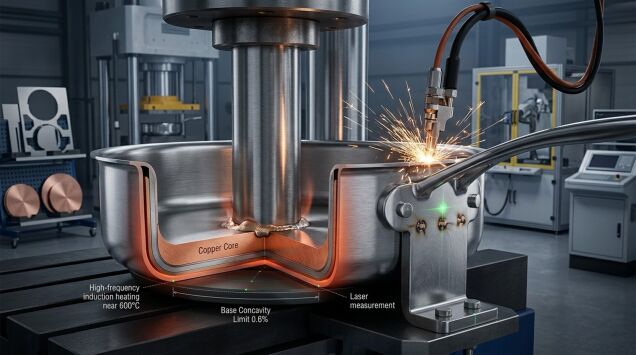
- Multi-Layer Construction: Tri-ply or five-layer composite structure with aluminum or copper core for superior heat distribution
- Full-Base Design: Thick, fully-encapsulated bottom construction rather than just disc-bottom attachments
Size and Configuration Planning
Essential Starter Set Recommendations:
- 8-10 inch Skillet: Perfect for daily sautéing and frying tasks
- 2-3 Quart Saucepan: Ideal for soups, sauces, and pasta preparation
- 12-inch Deep Skillet or 4-Quart Dutch Oven: Essential for large-batch cooking and one-pot meals
Budget Planning Strategy
Prioritize investing in core individual pieces rather than purchasing large sets. Start with one high-quality all-purpose skillet, add a matching medium saucepan, then supplement with specialized pieces based on your specific cooking habits. Choose brands offering lifetime warranties to ensure long-term investment protection.
Care and Maintenance: Protecting Your Investment
Daily Cleaning Best Practices
Correct Cleaning Methods:
- Immediate Cleaning: Wash with warm water immediately after cooking while still warm
- Gentle Products: Use mild dishwashing liquid with soft sponges or cloths
- Hand Washing Preference: Hand washing helps maintain luster and reduces wear from harsh dishwasher detergents that may cause long-term surface damage
Long-term Maintenance
Maintaining Optimal Condition: Regularly restore shine using white vinegar solutions, place soft cloths between stacked pieces to prevent scratching, and store in dry environments to prevent water spotting.
Common Issues Quick Fix
- Rainbow Discoloration: Caused by overheating; remedy by boiling white vinegar and water solution, then cleaning normally
- Food Sticking Prevention: Use proper preheating techniques (water bead test method) combined with appropriate oil quantities
Investment Value: Cost vs Long-term Benefits
Price Range Reality
- Entry-level 18/10: $200-400 (basic starter sets)
- Mid-to-high-end brands: $400-800 (complete configurations)
- Professional-grade premium: $800+ (highest quality options)
Long-term Financial Wisdom
Investment Return Analysis:
Average Lifespan: 15-20 years of regular use
Annualized Cost: Lower than cheaper alternatives requiring frequent replacement
Energy Efficiency: Superior heat conduction reduces energy consumption during cooking
Comparison with Other Options:
Non-stick cookware requires replacement every 2-3 years versus 18/10’s 20-year lifespan, creating dramatically different long-term costs. Additionally, health risk considerations and the superior convenience value compared to high-maintenance materials like copper or heavy cast iron make 18/10 the optimal choice for comprehensive kitchen performance.
Smart Investment Strategy
Choosing 18/10 stainless steel represents purchasing a lifestyle investment—professional, healthy, and sustainable cooking experiences where initial costs are fully justified through exceptional performance and ultra-long service life.
Making the Right Choice: Your 18/10 Cookware Investment
Key Decision Points
18/10 stainless steel cookware represents the smart choice for modern kitchens, offering:
- Performance Advantages: Extremely durable and resistant to rust and corrosion with professional-grade cooking capabilities
- Health and Safety: Food-grade materials with no harmful substance release
- Economic Benefits: Lower long-term usage costs with strong value retention
Final Recommendations
18/10 stainless steel is ideal for:
- Investors seeking long-term value over initial cost savings
- Health-conscious families prioritizing safety
- Cooking enthusiasts wanting to elevate their culinary skills
Action Steps:
- Assess your cooking habits to determine essential pieces
- Choose reputable brands with lifetime warranty coverage
- Learn proper usage techniques to maximize your investment value
Selecting 18/10 stainless steel cookware isn’t simply purchasing kitchen tools—it’s investing in a professional, healthy, and sustainable cooking future that will serve you reliably for decades to come.

Solamex — Wholesale Pots and Pans Expertise
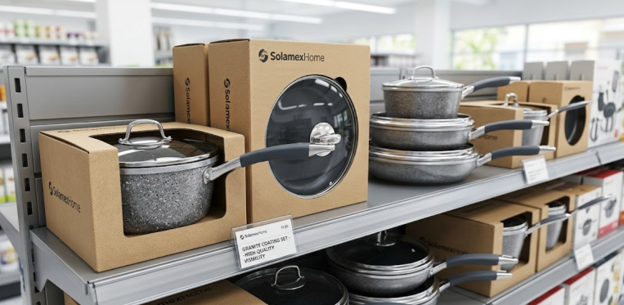
Solamex offers a comprehensive range of wholesale pots and pans, combining durable materials, precise craftsmanship, and flexible product customization. From premium stainless steel to advanced nonstick lines, our catalog is built for both retail distribution and demanding commercial kitchens — ensuring consistency in performance and presentation.
Granite Cookware: Safety, Performance, and Buying Guide
18/10 Stainless Steel Cookware: Composition, Performance & Buying Guide