8/10/12 Inch Frying Pan: Ultimate Guide to Sizes, Measurement & Uses
8/10/12 Inch Frying Pan: Ultimate Guide to Sizes, Measurement & Uses
Table of Contents
- Introduction
- How to Measure a Frying Pan Size
- 8 Inch Frying Pan: Best Uses & When to Choose It
- 10 Inch Frying Pan: The Most Versatile Size
- 12 Inch Frying Pan: Big-Batch Cooking
- 10 Inch vs 12 Inch Frying Pan
- FAQs About Frying Pan Sizes
- Final Tips for Choosing the Right Size
Introduction: Why Frying Pan Size (and How to Measure It) Matters
Choosing the right frying pan sizes is crucial for cooking success. A 2025 survey by IMARKU revealed that 72% of home cooks buy the wrong pan size due to incorrect measurement methods. Using the wrong size can lead to overcrowded pans, uneven cooking, and even kitchen accidents. In this guide, we’ll help you master frying pan measurements and understand which size (8/10/12 inch) fits your cooking needs.
Imagine cooking a family meal in a pan that’s too small—food spills over, edges burn, and cleanup becomes a nightmare. On the other hand, a pan that’s too large can waste energy and make it hard to control heat. By learning to measure accurately and match size to your needs, you’ll elevate your cooking experience.
How to Measure a Frying Pan Size: Step-by-Step Guide
Measuring a frying pan correctly is simpler than you think, but there are common pitfalls to avoid. Follow these steps:
- Use a Metal Ruler: Avoid flexible tape measures, which can stretch and give inaccurate results.
- Measure Rim-to-Rim: Place the ruler across the top of the pan, from one edge of the rim to the opposite edge. Ignore the handle.
- Check Cooking Surface: The actual cooking area (flat bottom) is usually 2-3 inches smaller than the rim size. For example, a 10-inch rim pan may have a 7.5-inch cooking surface.
Pro Tip: Always verify the manufacturer’s specifications. Some brands measure differently, so checking the cooking surface diameter is essential for recipe accuracy.
Watch out for curved edges or flared designs, which can affect measurements. For best results, measure the widest part of the rim horizontally.
8 Inch Frying Pan: Best Uses & When to Choose It
The 8-inch pan is perfect for small kitchens or solo meals. With a rim diameter of 8 inches and a cooking surface of 5-6 inches, it’s ideal for:
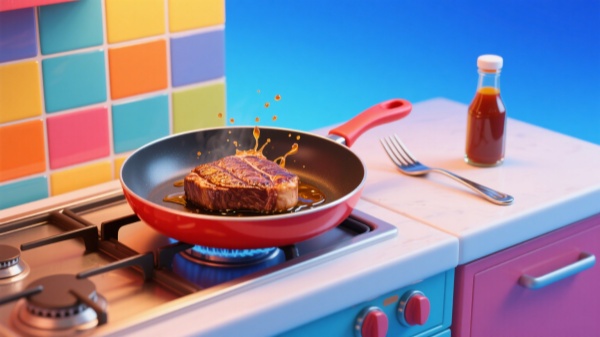
- Single servings of eggs, steaks, or sauces
- Small stoves or camp cooking
- High-heat cooking like searing scallops
Its compact size allows for quick heating and precise control. For example, frying a single egg in an 8-inch pan ensures the yolk cooks evenly without spreading too thin. However, avoid overcrowding—this pan isn’t suitable for large batches.
10 Inch Frying Pan: The Most Versatile Size for Most Homes
The 10-inch pan is a kitchen workhorse. With a rim diameter of 10 inches and a cooking surface of 7-8 inches, it balances capacity and efficiency. Here’s why it’s popular:
- Serves 3-4 people
- Perfect for family meals like stir-fries, pancakes, or grilled cheese
- Works on most stoves (gas, electric, induction)
A 10-inch pan can handle 2-3 chicken breasts or a full batch of pancakes without overcrowding. Its medium size allows for even heat distribution, making it great for both quick sautés and slow-cooking sauces.
Expert Tip: Look for a 10-inch pan with a slightly curved edge to make flipping food easier.
12 Inch Frying Pan: When You Need Big-Batch Cooking
For large families or entertaining, the 12-inch pan is a game-changer. With a rim diameter of 12 inches and a cooking surface of 9-10 inches, it can:
- Cook for 5+ people
- Handle large dishes like fajitas, frittatas, or roasted vegetables
- Double as an oven-safe baking dish
However, a 12-inch pan requires a larger stove burner (10+ inches) for even heating. It’s also bulkier, so consider storage space before purchasing.
Pair it with a lid to turn it into a mini oven for braising meats or baking casseroles. The extra surface area allows for more precise temperature control, ideal for slow-cooking stews or searing multiple steaks at once.
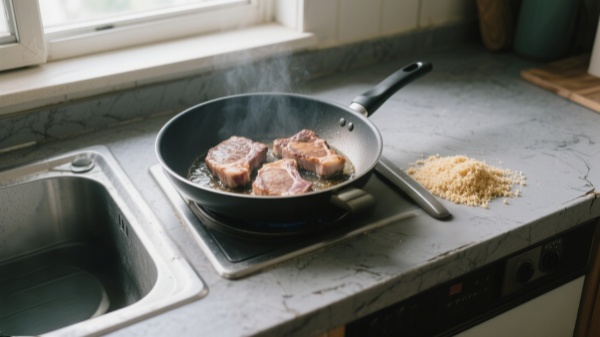
10 Inch vs 12 Inch Frying Pan: Which One Do You Need?
Choosing between a 10-inch and 12-inch pan depends on your cooking habits and household size. Here’s a quick comparison:
| Feature | 10 Inch Pan | 12 Inch Pan |
|---|---|---|
| Capacity | 4-6 servings | 6-8 servings |
| Heat Speed | Heats 20% faster | Slower heating, better heat retention |
| Storage | Compact | Bulky, requires more space |
| Best For | Everyday cooking, medium meals | Large batches, oven dishes |
If you frequently cook for more than 4 people, the 12-inch pan is worth the investment. For smaller households, the 10-inch pan offers better versatility.
FAQs About Frying Pan Sizes
Q: Does “frying pan size” include the handle?
A: No! Always measure rim-to-rim (left edge to right edge) for accurate size. Handles are not included.
Q: Can a 12-inch pan work on a small stove?
A: It can, but the edges may heat slower. Stick to 10-inch if your stove burners are under 9 inches.
Q: How do I know if a pan’s size matches my recipes?
A: Check recipe notes (e.g., “use a 10-inch pan”). Most “family-sized” recipes call for 10-12 inches.
Final Tips for Choosing the Right 8/10/12 Inch Frying Pan
1. Start with 10-inch: It’s the most versatile for most homes.
2. Measure Your Stove: Ensure the pan fits your burner size. For induction stoves, the pan’s base should cover 80% of the burner.
3. Consider Storage: Large pans need more space. Look for stackable designs or vertical storage solutions.
4. Think About Cooking Styles: If you love baking in pans, a 12-inch oven-safe model is ideal. For quick breakfasts, an 8-inch non-stick pan works best.
5. Invest in Quality: A well-made pan will last longer and perform better. Look for brands like All-Clad, Calphalon, Choose Solamex in wholesale need.
By following these tips, you’ll select the perfect frying pan size to enhance your cooking experience and kitchen efficiency.
8 vs 10 vs 12-Inch Frying Pans: Master Size Selection, Measurement & Cooking Science
Ultimate Guide to 8″, 10″ & 12″ Frying Pans: Measure, Compare & Choose